
16 July 2026
Bay Window Replacement In Exeter: Costs, Options And What To Expect
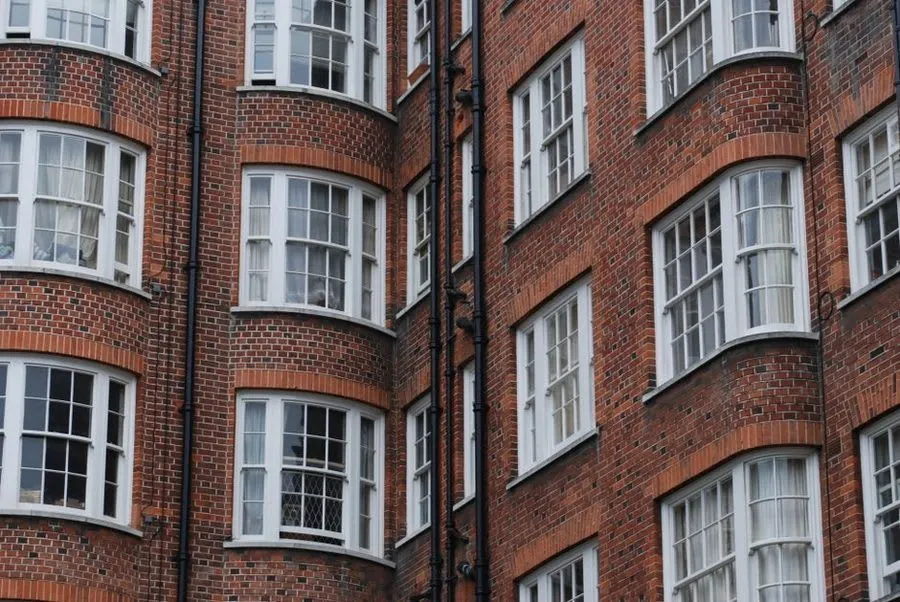
Bay windows are one of the defining features of Exeter’s Victorian and Edwardian housing stock. Head down any street in Heavitree, Pennsylvania, St Thomas, or St Leonard’s and you’ll see them on almost every terrace - usually the original timber-framed bays that have spent 100-plus years getting repainted, resealed, and propped up. At some point those frames reach the end of their life. Replacement is the only practical answer, and it costs more than a flat window of the same overall size. Here’s what drives the price and what to think through before getting quotes.
Why Bay Windows Cost More To Replace Than Flat Windows
A flat window is essentially one unit dropped into a rectangular opening. A bay is three (or sometimes five) separate units set at angles to each other, connected by corner posts, and supported by a projecting bay structure with its own roof, cill, and soffit. Every element of that structure needs to be in good condition - or replaced alongside the glazing.
The three-section angle bay (typically 45-degree angles on the returns) is the most common type across Exeter’s Victorian terraces. The square bay (returns at 90 degrees) is less common but appears on some later Edwardian and Arts and Crafts-influenced properties. Square bays are slightly simpler to replace because the corner posts are perpendicular; angled bays require precisely mitred frames and connecting mullions.
The pricing difference between a bay and three flat windows of the same size isn’t just the extra glass. It’s the corner posts, the connecting frame sections, the bay cill, the lead or felt on the flat roof above, and the extra installation time. A good-sized three-section bay can take a full day’s work for two people to remove and replace, compared to two to three hours for a standard flat window.
What A Bay Window Replacement Actually Includes
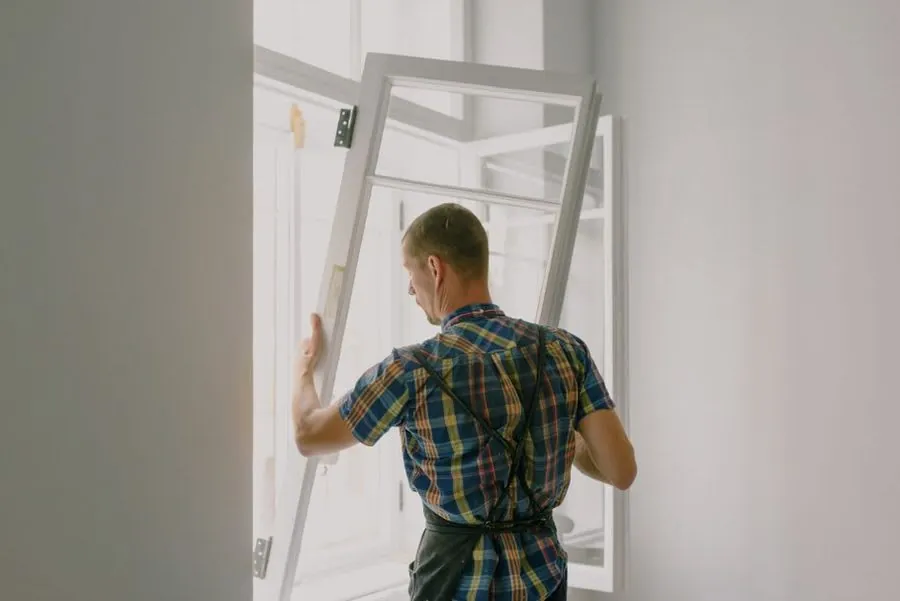
When you get quotes for our window installation service, pin down exactly what’s included. Bay replacements have more scope for ambiguity than most window jobs.
The glazing itself is only part of it. The bay cill (the wide sill that runs across the front of the bay at the bottom) is often rotten on Victorian properties and needs replacing at the same time - this is sometimes included in the quote and sometimes not. The soffit board beneath the bay roof may need replacing. The bay roof covering itself (usually lead or mineral felt on older properties) may be fine, or it may need work if water has been getting in around the frame.
The internal reveals also need making good after a frame replacement. On a bay, there’s more reveal area than on a flat window - typically three reveals instead of one, plus the internal sill. Some installers include this in the quote; others treat it as the homeowner’s responsibility. Worth clarifying before anything is agreed.
Also check that the structural brickwork around the bay is sound. On older Exeter terraces, the brickwork immediately above the bay - the lintel area - can show deterioration after a century of exposure. A good installer flags this during the site visit. If no site visit is offered before a quote, that tells you something.
uPVC Vs Aluminium For Bay Window Replacement In Exeter
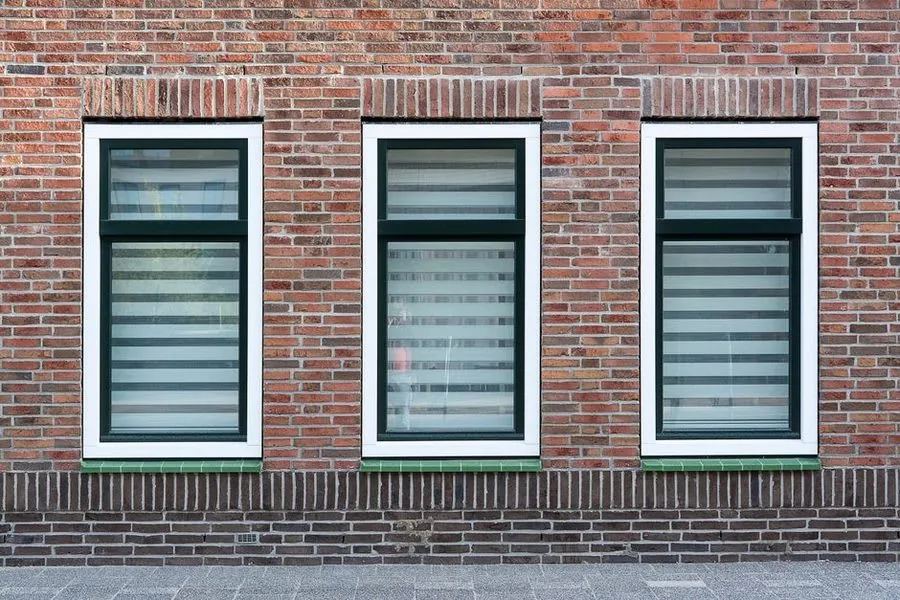
uPVC is the most common material for bay window replacement across Exeter’s residential streets, and it works well in most situations. The frames are colour-stable, low maintenance, thermally efficient, and available in a good range of colours and woodgrain foil finishes. Modern uPVC corners on bay windows are much cleaner than they used to be; the welded corner joints on a good-quality unit are tight and weatherproof.
The limitation with uPVC on larger bays is the sight lines. The frame sections are wider than aluminium, which can look heavy on a large bay or on a property where the original frames were slender timber sections. For properties where appearance matters - period properties, conservation areas, or simply larger and more prominent bays - aluminium is worth considering.
Aluminium gives noticeably slimmer sight lines. The frames are structurally stiffer than uPVC, which matters on a larger bay where the corner posts carry more load. Thermally broken aluminium profiles perform as well as uPVC thermally, dispelling the old reputation for aluminium being cold. The cost premium over uPVC is typically 40-60%, but for the right property the result is clearly better.
Timber is the answer for listed buildings, for conservation area properties where the council requires it, and for homeowners who want natural timber. It requires regular repainting (every 4-6 years in Exeter’s damp climate), but engineered timber - hardwood-veneered over an engineered core - performs better long-term than solid softwood and needs less frequent attention than a traditional softwood frame.
What A Bay Window Does To A Room - And Why It’s Worth Doing Properly
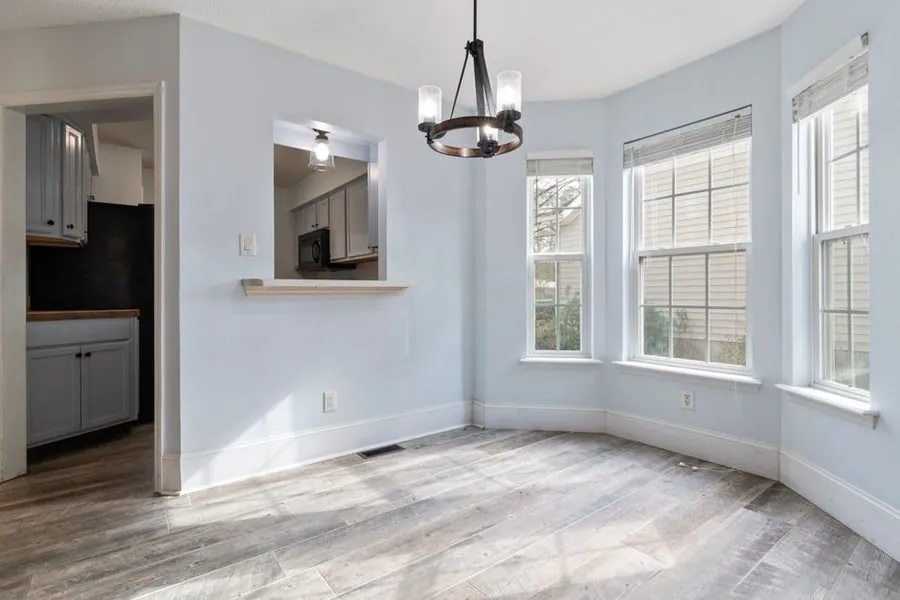
A bay window brings more light into a room than a flat window of the same overall width because it catches light from three angles rather than one. In a front-facing Victorian living room - the kind where the bay is the main source of natural light - replacing a failed bay with a well-specified unit makes a genuinely noticeable difference to how the room feels in winter. Failing frames with rotten seals and failed glazing units let in cold air and reduce the light that actually reaches the room; a properly sealed replacement changes both.
Bays are also inherently colder than flat walls - more glass area on three sides, plus thermal bridges at the corner posts. A-rated double glazing with good frame insulation values cuts the heat loss significantly compared to single glazing or failed older double glazing. For a Victorian front room where the bay is the coldest spot in winter, it’s the most effective single upgrade available.
The cill is worth doing at the same time. A rotten timber cill with peeling paint and water damage underneath is difficult to use and hard to dress; a new PVC or hardwood cill finished cleanly to the internal reveal turns a problem area into a proper windowsill.
Internal Finishing After A Bay Replacement In Exeter
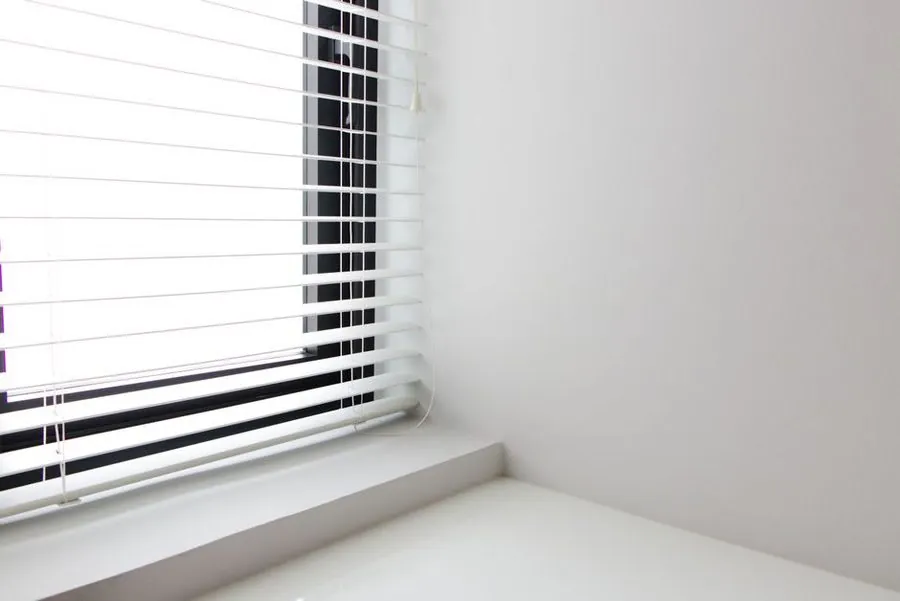
The internal finishing is where bay replacements sometimes disappoint homeowners who weren’t expecting it to be part of the project. When a bay frame is removed, the internal reveals (the plasterwork or panelled sections between the window and the room) are disturbed. On a bay, there are three sets of reveals - left return, right return, and the central facing panel - all of which need making good.
On many Victorian Exeter properties the internal bay area is panelled or has a fitted seat or shelving. If any of that was attached to the old frame, it will need reattaching or replacing after the new frame goes in. This is usually work the homeowner arranges separately, but it’s worth planning for before the installer starts.
If the window installation itself is clean and the reveals are in good condition (no historical water damage, sound plaster), making good is a relatively minor job. On older properties where water has been getting in around a failing frame for some time, there may be more substantial plaster repair needed first. A thorough site visit by the installer before quoting should identify any of this.
Bay Windows And Conservation Areas In Exeter
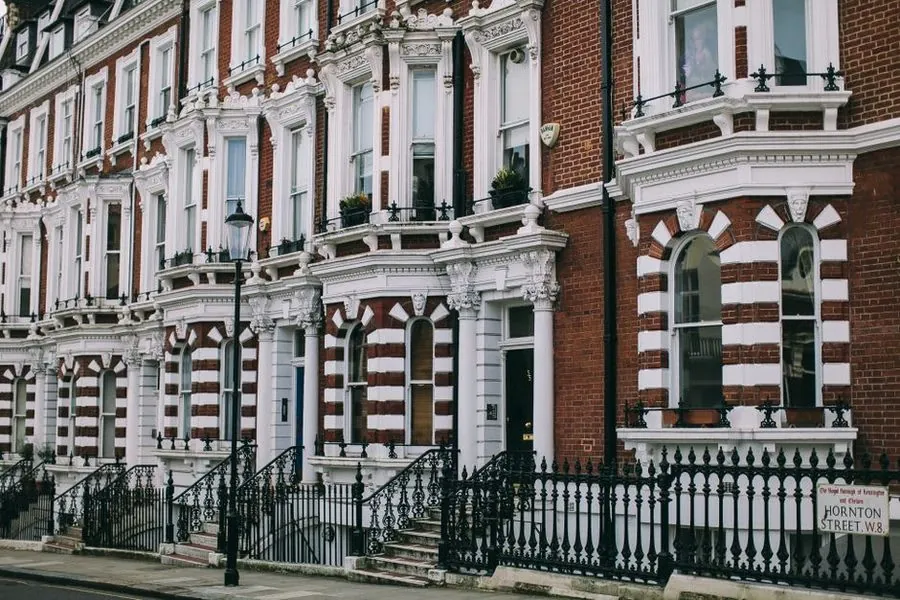
A lot of Exeter’s bay-fronted Victorian housing sits in or near a conservation area. Pennsylvania, St Leonard’s, parts of Heavitree Road, many streets around the Cathedral, and stretches of St Thomas all carry conservation area designation or listed building status for some properties.
For a standard bay replacement in a conservation area, the council wants the replacement to respect the character of the area - similar sightlines, similar glazing bar pattern where the original had them, appropriate colour. Many conservation area replacements in Exeter go through with sympathetic uPVC; others require timber or aluminium. The right answer depends on the specific conservation area, the street, and the property. Don’t assume - check.
Check with Exeter City Council’s planning team before ordering if you’re in or near a conservation area. For listed buildings, listed building consent is required before any replacement regardless of material. We check the planning position as part of any site visit where there’s any uncertainty.
Getting quotes for bay window replacement? We cover all of Exeter and the surrounding area. Contact us for a free site visit and quote.
Frequently Asked Questions
How much does bay window replacement cost in Exeter?
A standard three-panel uPVC bay window supplied and fitted in Exeter typically costs between £1,800 and £3,500 depending on the size, opening configuration, and material. Aluminium bay windows run higher, starting around £2,500 and going to £5,000+ for larger bays with complex angles. Timber bay windows for period properties start around £3,000 fitted. The final price depends on whether the bay is angled or square, how many panels open, whether the cill and soffit need replacing, and the condition of the structural brickwork. Always get a VAT-inclusive quote with all of those elements specified.
Do I need planning permission to replace a bay window in Exeter?
Most bay window replacements in Exeter don't need planning permission under permitted development rights, provided you're replacing like for like in terms of materials and style. The main exceptions are listed buildings (consent almost always required) and properties in Exeter's conservation areas - St Leonard's, Pennsylvania, the Cathedral and City Centre area, and others - where changes to front elevations may need conservation area consent. Even in conservation areas, replacing a bay in matching timber or with sympathetic uPVC is often approved, but check with Exeter City Council's planning team before ordering.
Can a bay window be replaced without scaffolding in Exeter?
Most ground-floor bay window replacements in Exeter can be completed without scaffolding. First-floor bays usually need access equipment - either a tower scaffold or a cherry picker - which adds to the project cost. The contractor should include the access method in their quote; if it isn't specified, ask directly. For a Victorian terrace with a bay on the ground floor and a flat-topped bay room above, the first-floor sash windows above the bay often need attention at the same time, so it's worth assessing those when the scaffolding quote is being discussed.
What glass should I use in a bay window replacement in Exeter?
A-rated double glazing is the standard for bay window replacements - it significantly improves the thermal performance of a bay, which tends to be colder than flat walls due to its greater exposure on three sides. For bay windows facing a road in Exeter, acoustic laminated glass on the front-facing panel is worth considering. For south or west-facing bays, solar control glass helps prevent the room overheating in summer. For listed buildings or conservation area properties, clear float glass with slim frames is usually required to match the original appearance.