
Secondary Glazing In Exeter
Do you need secondary glazing for a listed property in Exeter?
Discreet secondary glazing fitted to existing windows - the approved solution for conservation areas across Exeter
- No planning permission needed in most cases
- Invisible from outside - original windows preserved
- Significant improvement in heat retention and noise reduction
- Free survey - we assess your windows and advise on the right type

Get a Free Secondary Glazing Quote
Let us know which windows or doors you're after and we'll send a free quote with nothing to commit to.
Secondary Glazing For Exeter's Listed Buildings and Conservation Areas
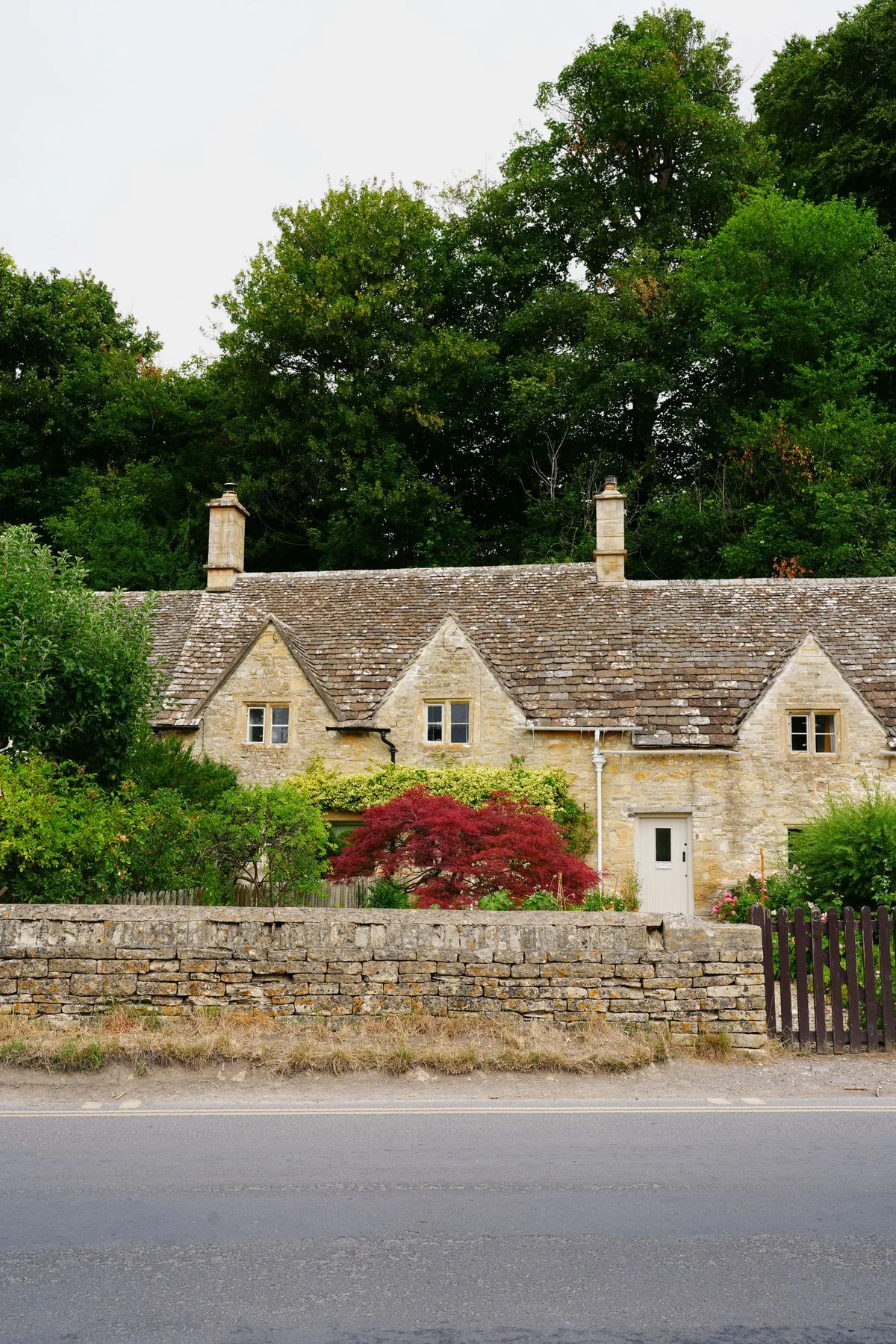
Exeter has several conservation areas where original windows on older properties cannot simply be replaced. Topsham's conservation area protects the character of the historic quayside town, where Georgian and Victorian buildings line the streets with their original timber sash windows. Cathedral Close and parts of the city centre are similarly protected. On listed buildings anywhere in Exeter, replacing original windows with modern double glazing requires listed building consent and is frequently refused where the replacement would alter the character of the property.
Secondary glazing is the solution Exeter City Council's conservation officers consistently recommend for these properties. It involves fitting an additional glazed unit on the inner face of the existing window reveal - creating an insulating air gap without touching the original window. From the outside, the building looks exactly as it did. From the inside, the secondary unit is designed to be as unobtrusive as possible - slim aluminium frames in white or silver that sit within the reveal and don't obscure the original window character.
The performance improvement from secondary glazing is greater than many people expect. A well-fitted secondary unit with a 100mm air gap can bring the overall U-value of the combined window system down to around 1.8 W/m²K from the 5.0+ of a single-paned original - a very significant improvement in heat retention. For noise reduction, secondary glazing can outperform conventional double glazing, particularly at low frequencies. We survey every property before quoting, assess the existing windows and recommend the right secondary glazing type for the opening.
15+
Years' experience
1,400+
Installations completed
10yr
Workmanship guarantee
Free
Site visits & quotes
Secondary Glazing Types We Fit In Exeter
Different secondary glazing types suit different windows and usage requirements. Here's a breakdown of the options we offer across Exeter.
Horizontal Sliding Secondary Glazing
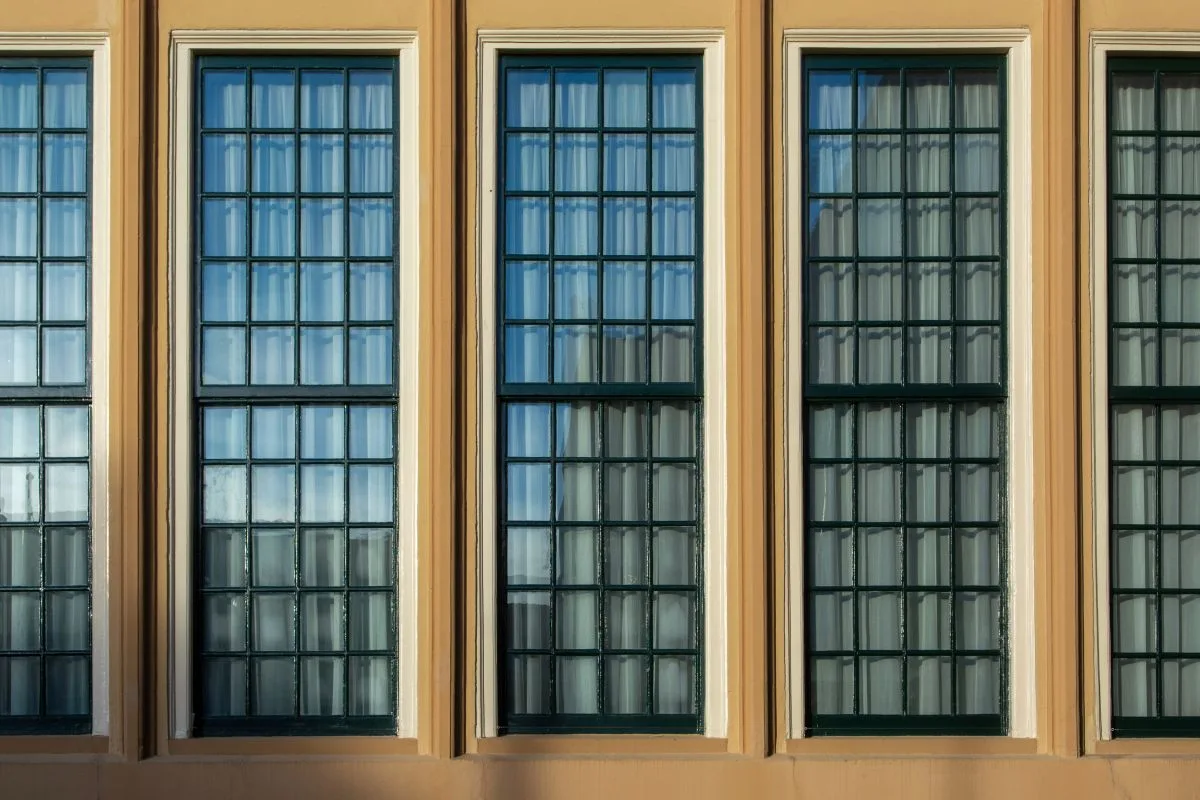
Horizontal sliding secondary glazing panels are ideal for windows where access through the opening is regularly needed - for ventilation, to operate the original window or to clean it. The secondary panels slide horizontally within a slim aluminium frame fitted to the inner reveal. When ventilation or access is needed, one or both panels slide to the side.
This is the most commonly fitted secondary glazing type on Topsham's Georgian and Victorian sash windows, where the sliding operation mirrors the up-and-down movement of the original sash. Available in white or silver aluminium to match the interior and in a range of glass thicknesses. The air gap between original window and secondary panel is typically 80-100mm for best thermal performance.
Lift-Out Secondary Glazing
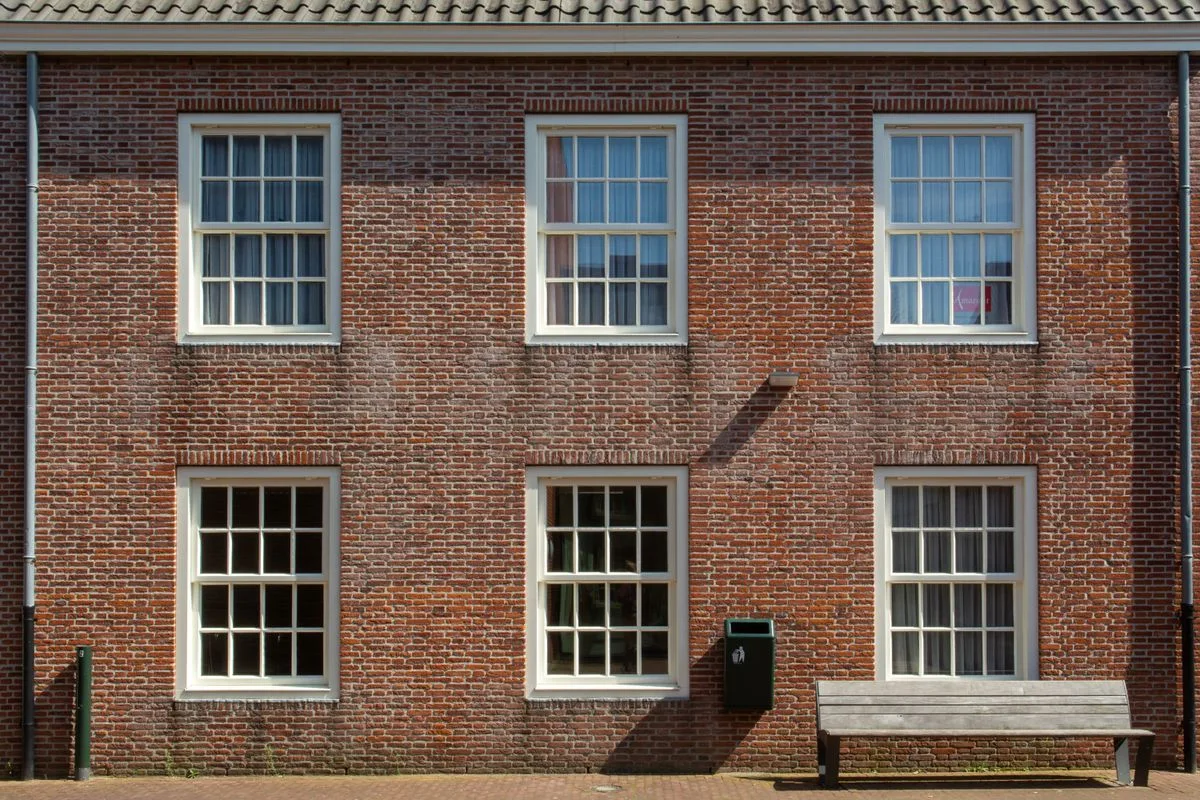
Lift-out secondary glazing panels sit in a frame fixed to the inner reveal and can be lifted free of the frame and stored when full access to the original window is needed. They're the simplest type of secondary glazing - no sliding mechanism, no hinges, just a close-fitting panel in a channel that can be removed in seconds.
Lift-out units are the most cost-effective secondary glazing option and are suitable for windows where the original window is rarely operated - north-facing windows, windows onto internal light wells or windows in rooms where ventilation is not a daily requirement. Popular in Cathedral Close properties and city centre buildings where the priority is thermal improvement in rooms that aren't frequently aired through the window.

Fixed Secondary Glazing
Fixed secondary glazing panels are permanently fitted to the reveal with no opening mechanism. They provide the best thermal and acoustic performance because there are no joints or sliding mechanisms through which air can pass. The trade-off is that the original window cannot be opened without removing the secondary unit.
Fixed units are appropriate for windows that are never opened - typically fixed-pane windows in hallways, stairwells or rooms where mechanical ventilation is provided separately. In Exeter's listed buildings and conservation area properties, fixed secondary glazing on windows that were already fixed-pane or rarely opened provides a very cost-effective and highly effective insulation solution.

Acoustic Secondary Glazing
Acoustic secondary glazing uses a thicker glass specification (typically 6mm or 6.4mm laminated) and a larger air gap to maximise noise reduction rather than thermal performance alone. The laminated glass has a plastic interlayer that significantly reduces low-frequency noise - the type of noise from traffic, lorries and road surfaces that standard glazing doesn't attenuate as well as higher-frequency sounds.
In Exeter, acoustic secondary glazing is in demand for properties on busier roads - Topsham Road, Heavitree Road, Cowley Bridge Road - and for properties near the ring road where road noise is a persistent issue. It's also popular in the city centre on properties above commercial premises where noise from the street or from below affects liveability. Can be combined with thermal performance requirements by specifying the appropriate glass and frame combination.
What Secondary Glazing Delivers For Exeter Properties
For properties where full replacement isn't an option, secondary glazing is not a compromise - it's a genuinely effective solution.
Planning-compliant solution
Secondary glazing is the approach Exeter City Council's conservation officers consistently recommend for listed buildings and conservation area properties. It's reversible, doesn't alter the original window and is generally considered permitted development.
Significant thermal improvement
A well-fitted secondary unit with a 100mm air gap can reduce the U-value of a single-glazed window from around 5.0 to below 2.0 W/m²K. In Exeter's cold winters, the difference in room temperature and heating bills is noticeable.
Better noise reduction than double glazing
The large air gap in secondary glazing (80-150mm) is more effective for noise reduction than the narrow gap in a conventional double-glazed unit. For properties on noisy Exeter roads, secondary glazing is often the better acoustic solution.
Original windows preserved
The original window is untouched and its character preserved. For Topsham's historic properties and Exeter's listed buildings, this isn't just a planning requirement - it's the right approach architecturally. Secondary glazing is genuinely reversible.
Reduces condensation
Secondary glazing keeps the inner face of the original window warmer, which substantially reduces condensation. In Exeter's damp winters, condensation on original single-glazed windows is a persistent problem that secondary glazing addresses effectively.
Cost-effective improvement
Secondary glazing typically costs £300-£600 per window - less than a full replacement in many cases. For a property with many windows, the cumulative saving over full replacement can be significant while still delivering real thermal and acoustic improvement.
Our Secondary Glazing Installation Process
Secondary glazing installation is less disruptive than full window replacement. Here's what the process involves.
Free site visit
We visit, assess the existing windows, measure the reveals and discuss which secondary glazing type is appropriate. We'll advise on the best solution for your specific property and its planning status.
Written quote - itemised, no surprises
You receive a written itemised quote per window covering frames, glass, fitting and waste removal. The price doesn't change when the job starts.
Units manufactured to measure
Secondary frames are manufactured to the exact dimensions of each reveal. Internal reveals in older Exeter properties are rarely square - we measure accurately to ensure a close-fitting result.
Original windows undisturbed
The existing window is not touched during installation. We work entirely within the room-side reveal. No external access is needed and the original window character is fully preserved.
Secondary frame fitted and sealed
The frame is fixed to the reveal and sealed around the edges. The quality of the seal around the secondary frame is critical to both thermal and acoustic performance - we don't rush this step.
Hardware adjusted and tested
Sliding panels, lift-out seals and any opening mechanisms are adjusted and tested. We confirm the secondary unit operates smoothly and seals correctly in the closed position.
Final inspection - documentation provided
We walk through the finished installation with you. Secondary glazing is not FENSA-registerable (it's an internal fitting, not a replacement window) but we provide completion documentation and a written guarantee.
Our Guarantee
Every window and door we install is backed by a 10-year workmanship guarantee. That covers the fitting itself - how the frame sits in the opening, how it's sealed, how the hardware operates. If anything we've done causes a problem within ten years, we come back and fix it.
The glazing units themselves also carry a 10-year manufacturer's guarantee against seal failure and condensation between the panes. Both guarantees are issued in writing on completion of the job, alongside your FENSA certificate. When you come to sell, your solicitor will ask for these documents - we make sure you have everything you need.
The guarantee only stands if the product is correctly installed. That's why we don't rush surveys, we don't cut corners on preparation, and we don't send crews who don't know what they're doing. The guarantee is only as good as the quality of the work behind it.
10
Year Workmanship
Guarantee on all installations
10
Year Unit Guarantee
On sealed glazing units
Also included on every job:
- ✓ FENSA certificate issued on completion
- ✓ Building regulation compliance confirmed in writing
- ✓ All guarantees transferable if you sell the property
What To Look For In A Secondary Glazing Installer In Exeter
The most important requirement is that the installer comes to the property and assesses each window individually before quoting. Internal window reveals in older Exeter properties - particularly in Topsham's Georgian buildings and in the Victorian and Edwardian terraces throughout the city - are frequently out of square and non-standard in size. A secondary glazing unit manufactured to standard dimensions or to approximate measurements is unlikely to fit correctly, which means gaps that undermine the thermal and acoustic performance you're paying for. Proper measurement of each reveal, including diagonal checks to confirm whether it's square, is essential before any order is placed.
For listed buildings and conservation area properties in Exeter, it's worth confirming your specific situation with Exeter City Council's planning department before committing to an order - even though secondary glazing is generally considered permitted development and reversible internal work. The general rule is that secondary glazing on the inside of existing windows does not require planning permission or listed building consent, but there are edge cases and it's better to confirm than to assume. A good installer will be familiar with Exeter City Council's conservation officer guidance and can advise you on whether your property needs any pre-authorisation.
On product quality, the key factors are glass thickness, air gap size and seal quality. A-rated double glazing is used in full replacement windows; for secondary glazing, the equivalent measure is the air gap between the original window and the secondary unit. A gap of 80-150mm provides excellent thermal and acoustic performance. The glass specification also matters - for thermal performance, 4mm toughened glass is standard; for acoustic performance, 6mm or 6.4mm laminated glass is significantly more effective at low frequencies. The seal around the secondary frame is critical: a poorly sealed frame lets air through at the edges and substantially reduces both thermal and acoustic performance. Ask how the edge seals are fitted and what material is used.
Secondary Glazing vs Alternatives
| Secondary Glazing | Full Replacement | No Action | |
|---|---|---|---|
| Planning permission | Not normally needed | Required for listed/conservation | N/A |
| Thermal improvement | Significant | Significant | None |
| Noise reduction | Very good (large air gap) | Good (narrow unit gap) | None |
| Cost per window | £300 - £600 | £400 - £1,200+ | £0 |
| Disruption | Minimal - internal only | Moderate - full removal | None |
| Reversibility | Fully reversible | Permanent | N/A |
"Over half the secondary glazing enquiries we receive come from Topsham - where the conservation area means original windows on many properties cannot be replaced outright."
Window Installers Exeter - based on local enquiry data
What Exeter Customers Say About Our Secondary Glazing
Genuine feedback from homeowners across Exeter and the surrounding area
"Had all eight windows replaced in our 1970s house in Heavitree. The team arrived on time, laid dust sheets throughout and were done in two days. Biggest difference is the warmth - no more draught across the living room floor in January. Really happy with the whole job."
Karen T. — Heavitree, Exeter
"I got three quotes. These were the only company who actually came out and measured properly before pricing - the others just asked for the number of windows and gave me a number over the phone. The price was competitive and the job was done cleanly. Would use again without hesitation."
Mark R. — Topsham
"Secondary glazing fitted throughout our listed cottage near the Cathedral Close. They knew the planning restrictions before I'd even finished explaining and recommended exactly the right product. The noise reduction from the road is noticeable immediately. Brilliant from start to finish."
Sarah M. — St Leonard's, Exeter
"Composite front door replaced after the old one warped and stopped sealing properly. The new door is solid, the fitting is neat and they took the old door away. Got our FENSA certificate in the post a few days later. Exactly what you want - no fuss, job done."
David H. — Pinhoe, Exeter
"Bi-fold doors fitted to the rear of our extension in St Thomas. The difference to the kitchen is incredible - it feels like a completely different room when they're open onto the garden. The team were tidy, professional and explained everything clearly throughout. Top marks."
Claire W. — St Thomas, Exeter
Common Questions About Secondary Glazing In Exeter
What is secondary glazing and how does it work?
Secondary glazing fits an additional pane inside the existing window reveal, creating an insulating air gap without altering the original window. It improves thermal performance and noise reduction without touching the original window from outside.
Do I need planning permission for secondary glazing in Exeter?
Secondary glazing is generally considered a reversible internal alteration and does not normally require planning permission, even on listed buildings. We recommend confirming with Exeter City Council if you have any doubt about your specific property.
Is secondary glazing as effective as double glazing?
It can be very effective, particularly with a wider air gap. For noise reduction, secondary glazing can outperform conventional double glazing due to the larger gap between panes. Thermal performance depends on the air gap size and seal quality.
Will secondary glazing affect the appearance of my windows in Exeter?
When fitted correctly, secondary glazing should be barely visible from inside and completely invisible from outside. The secondary units fit within the room-side reveal and don't change the external appearance at all.
How much does secondary glazing cost in Exeter?
Secondary glazing typically costs between £300 and £600 per window depending on size and type. We provide written itemised quotes after every free survey.
Can secondary glazing reduce condensation in Exeter properties?
Yes. Secondary glazing keeps the inner face of the original window warmer, which substantially reduces condensation on the glass. In Exeter's damp winters, this is a significant practical benefit for older properties with original single glazing.
Wondering What Secondary Glazing Costs In Exeter?
Our pricing guide covers secondary glazing alongside all other window options, so you can compare costs and make the right choice for your property.
See Secondary Glazing PricesGet A Free Secondary Glazing Quote In Exeter
Book a free survey and we'll visit your property, assess the existing windows and advise on the right secondary glazing approach for your specific situation.