
27 August 2026
The Best Time Of Year To Replace Windows In Exeter

Everyone in Exeter asks about price first and timing second, which is the wrong way round if the diary is what actually decides when your house gets done. The city takes a little over 800 millimetres of rain a year and gets frost on relatively few nights, so the seasonal picture here looks nothing like it does in Yorkshire or the Pennines. What changes month to month is not really whether the work can happen - it is how long you wait, how much daylight the fitters have, and how carefully the sealing around your new frames gets done.
Exeter’s Weather Does Not Behave Like The Rest Of England’s
Sitting in the Exe valley, sheltered by Dartmoor to the west and Haldon to the south, Exeter runs mild and damp rather than cold and dry. Winter days that stay below freezing are unusual. Weeks of persistent drizzle are not. The Met Office regional climate figures for South West England show the pattern clearly: the region has the mildest winters in England, and while the wettest totals belong to Dartmoor and the moors rather than the city itself, Exeter still sits in a part of the country where a dry week in January is a stroke of luck.
For window fitting, that flips the usual assumptions. Frost is rarely the problem. Rain is. Silicone and expanding foam need a dry substrate to bond to, and a soaked reveal will not take a seal properly no matter how good the fitter is. Which is why an experienced local team plans a January job around the forecast rather than around the temperature.
It also means the season people instinctively avoid - deep winter - is often the easiest one to get a good window installation booked in, with a fitting date you actually chose.
Winter: The Diary Is Empty And The Cold Is Overrated
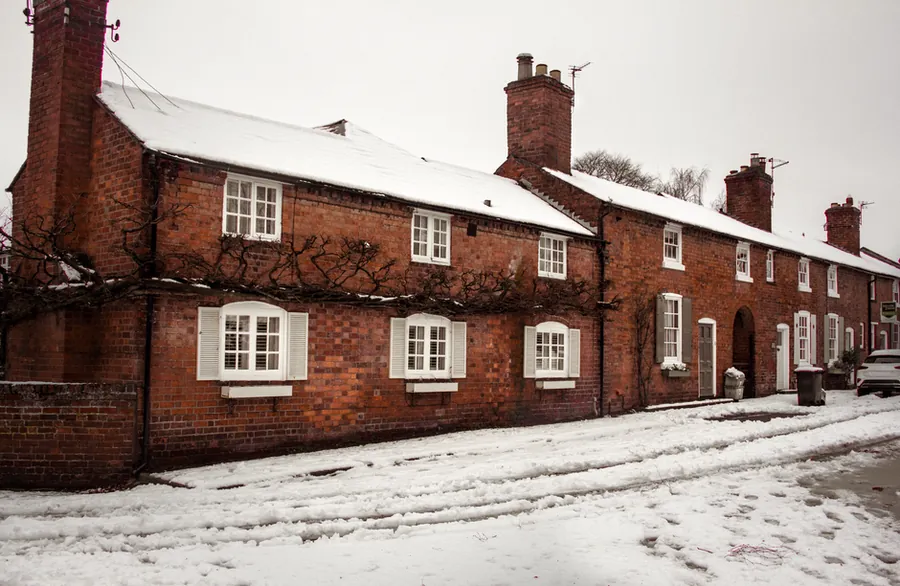
November to February is when most Exeter installers have room. Enquiries drop off as people move their spending to Christmas, and the firms that stay busy are the ones with a reputation rather than a marketing budget. If you want a survey inside a week and a fitting slot in three, this is when it happens.
The genuine constraints are worth knowing. Most window foams and low-modulus silicones carry a minimum application temperature of around 5°C, and cure times roughly double as you approach it. Daylight is the harder limit - sunset in Exeter in late December falls just after four in the afternoon, so a crew has around eight working hours rather than the fourteen or more available in June. Budget an extra day on a full-house job.
The heat loss argument cuts both ways, too. People worry about the house being cold during the work, but a room with single glazing or a failed 1990s sealed unit is already losing heat continuously, and one morning with an open reveal costs less than another winter of the old windows. If you have been putting up with draughts since October, waiting until spring means paying for four more months of them.
Spring: The Rush That Everyone Books Into
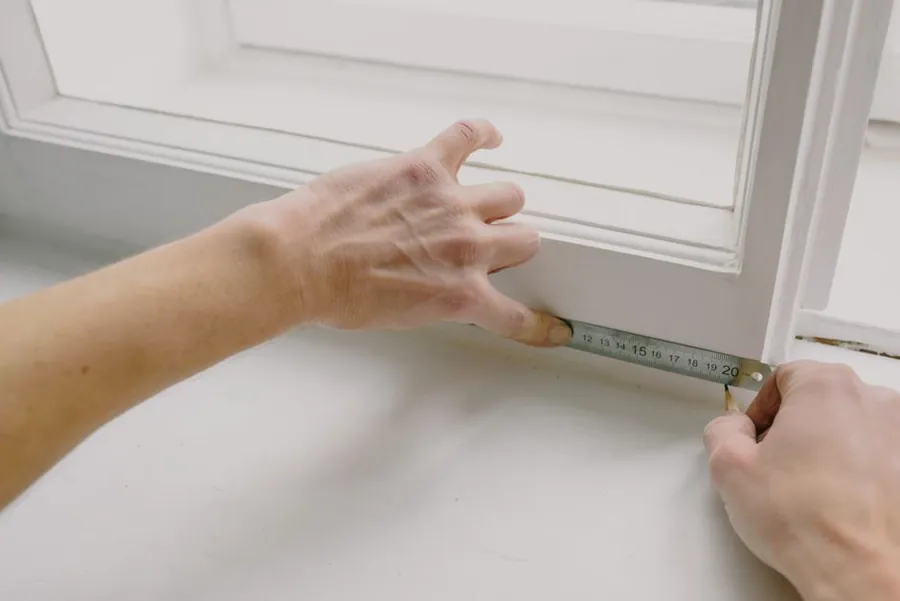
From late February the phones start again, and by April a well-regarded Exeter fitter is typically booking six to ten weeks out. Add three to six weeks of manufacturing lead time and a spring enquiry easily turns into a midsummer fitting date. Spring is not a bad time to have the work done. It is a bad time to start looking, because surveys get compressed, the choice of dates narrows to whatever is left, and anyone with a four-month backlog still has a strong incentive to say yes and squeeze you in.
It does have one real advantage. Winter damage is easiest to see in March: rot at the bottom rail of a timber sash, seals that only mist in a certain light, hairline cracks that opened up in January. Walk round the outside with a screwdriver and press the timber at the corners. Anything soft has been soft since November.
Summer: Fast Work, Long Days, One Real Catch
June through August gives the longest working days of the year and the driest conditions Exeter gets. Whole-house jobs run quickly, plaster and sealant cure fast, and the house stays comfortable with an opening or two uncovered. If you have a large bay, a set of bifolds or anything that means a wall is open for more than an hour, summer is genuinely the easiest window for it.
The catch is heat, and it applies to the product rather than the process. Dark frames - anthracite grey and black in particular - reach high surface temperatures in direct sun, and uPVC expands more than aluminium as it does. Good systems account for it with reinforcement and correct expansion gaps, but a rushed fit on a hot afternoon, with the frame packed too tight into the opening, can bind a sash that opened perfectly at nine in the morning.
Summer is also when holiday cover thins out. A crew of four in May might be a crew of two in the first week of August, and jobs slip. Ask who is actually fitting your windows and whether they are around that week.
Not a reason to avoid summer. Just a reason to ask.
Autumn: The Slot Most People Walk Past

September into early November is, for most Exeter homes, the best compromise on offer. The summer rush has cleared, the weather is still workable, and the diary has loosened without emptying. Book in September and you are usually looking at a fitting date inside a month.
It also lands the work at the right point in the year. New windows fitted in October are sealed and settled before the wet season properly arrives, and you get the benefit through the months when heating costs actually matter. Fitted in May, the same windows sit unused for their intended purpose until the clocks change.
One practical note for older Exeter properties. If your replacement involves plastering or new internal reveals, autumn gives the best drying conditions of the year - warm enough to cure, not so hot that the finish dries too quickly and crazes. That matters on the Victorian and Edwardian stock in St Leonard’s, Newtown and Mount Pleasant, where reveals are often deeper and rougher than in newer housing.
If somebody made me pick one month, it would be September.
What Fitting Day Looks Like, Whatever The Month
The seasonal differences shrink once the work starts. A standard casement takes somewhere around thirty to sixty minutes from old frame out to new frame sealed, and a typical three-bed semi is a two-day job across most of the year. Our guide to how long a window installation takes in Exeter breaks the timings down room by room.
What changes with the season is the sequence. In winter a good team works one opening at a time and keeps the rest of the house closed up; in summer they may run two at once for speed; in heavy rain they move to a sheltered elevation and come back once the reveal has dried. Whatever the month, clear the sills and pull the furniture back a metre before they arrive. That one step saves more time on the day than any decision about weather.
Booking: How Far Ahead, Month By Month

As a rough guide for Exeter, based on how the local diary tends to move: enquire in November or December and expect fitting inside four to six weeks. Enquire in February or March and expect eight to twelve. Enquire in September and you are usually back down to four or five.
Whenever you book, the paperwork rule does not change. Replacement windows in an existing home are notifiable work, and either your installer registers the job through a competent person scheme such as Certass or FENSA, or the job needs a building control application - the government’s own summary of when building regulations approval is required sets out both routes. The certificate should reach you within a few weeks of the work, and you will need it when you sell.
The honest answer to “when is the best time” is that Exeter’s climate makes the question less important than it is elsewhere, and the real decision is how long you are prepared to wait. If you want the work done properly, unhurried, and on a date that suits you, book in the autumn or the winter. If you want it done in spring, start looking now.
Get a free quote for replacement windows in Exeter
Frequently Asked Questions
Can windows be fitted in Exeter during winter?
Yes, and it is one of the busier parts of the year for good installers rather than a dead zone. Exeter rarely holds a hard frost for long, which matters because the low-temperature limit on most window sealants and foams sits around five degrees rather than zero. The practical constraints are daylight and rain, not cold: a December fitting day gives roughly eight usable hours instead of sixteen, so a whole-house job that runs two days in June might run three in January. Wind is the bigger nuisance on exposed streets, since a large sealed unit becomes hard to handle safely above about twenty-five miles an hour, and a genuinely windy day is more likely to move a fitting date than a cold one.
Is there a cheaper time of year to buy replacement windows?
Prices move less than people hope, because the frame and the glass cost what they cost regardless of the month. What does move is availability and attention. From roughly late October through February, most Exeter installers have gaps in the diary, which is when you get a survey within a week rather than three, a fitting date you chose rather than the one left over, and a fitter who is not trying to squeeze your job between two others. Deals do appear in January and again in late summer, but the real saving is in getting the job surveyed properly rather than a discount on the quote.
How long will my house be open to the weather during a window replacement?
Per window, far less time than most people imagine. The old frame comes out and the new one goes in within about thirty to sixty minutes for a standard casement, longer for a large bay or anything structural. A competent team works one opening at a time rather than stripping the whole elevation first, so at no point is the house standing open. In heavy rain they will sheet the opening or hold off on that particular window and move to another elevation. The part that genuinely takes time is not the fitting but the sealing and making good, which is why a wet week can stretch a job by a day.
How far ahead should I book a window installer in Exeter?
Work backwards from when you want it done. For a March or April fitting, get quotes in January, because the spring rush fills diaries from roughly February onwards and manufacturing lead times of three to six weeks sit on top of that. For an autumn or winter fitting you can often go from first enquiry to fitted windows inside five or six weeks. Anything bespoke - timber, heritage sashes, a colour outside the standard range, or a bay needing structural support - adds weeks at every point of the year, so treat eight to ten weeks as the sensible planning figure for those.