
20 July 2026
How Much Do Bi-Fold Doors Cost In Exeter?
Bi-fold doors have gone from a luxury item to one of the most-requested jobs we see in Exeter. That shift makes sense - there are a lot of ground-floor rooms in this city sitting directly behind a small sliding patio door or a solid back door, and opening that wall up changes the room entirely. The cost question stops most people, and fairly: the price range is wide enough that two homeowners both describing “bi-fold doors” can be talking about jobs that cost three times as much as each other.
What You’ll Actually Pay For Bi-Fold Doors In Exeter
Bi-fold doors in Exeter cost anywhere from around £2,000 to well over £10,000 fitted. Both ends of that range represent real installations. The price depends almost entirely on four things: material, number of panels, opening width, and glass specification.
A three-panel uPVC bi-fold in a standard residential width (around 1.8-2.4m) starts at roughly £2,000-£2,800 fitted including VAT. A four-panel aluminium bi-fold on a 3m opening - the most common size on Exeter semis and larger terraces - typically runs £3,500-£5,500. A six-panel aluminium set spanning 4m or more can reach £7,000-£10,000, before any structural work to the opening itself.
Most Exeter homeowners coming to us through our door installation service end up spending between £3,500 and £6,000 fitted - aluminium panels on a mid-size opening with decent glazing. That’s the realistic number for a four-bedroom semi in St Thomas, Heavitree, or Pinhoe.
Why Material Choice Drives The Price So Much
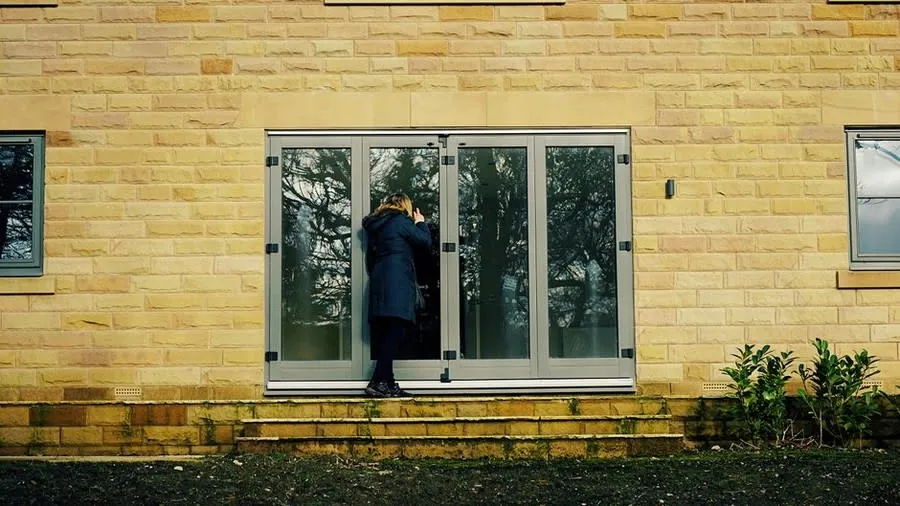
uPVC bi-folds are cheaper, but you can see the trade-off. The frames are wider than aluminium, which eats into the glass area for a given opening width. On a smaller opening that reads as heavy in a way aluminium avoids. uPVC is also slightly less smooth to operate, and the colour options are narrower - though the modern foil finishes cover anthracite grey and cream, which is what most people want anyway.
Aluminium is where most of the market has gone, and the reasons are practical. Thinner sections mean more glass, and more glass is the point. Aluminium is stiffer structurally, which matters on larger multi-panel sets. Thermally broken aluminium profiles perform as well as uPVC, which has put paid to the old idea that aluminium runs cold. The cost premium over uPVC is typically 50-80%, but on a 3m or wider opening the result is noticeably better.
Timber bi-folds are right for specific situations - conservation area properties where the council wants natural timber, listed buildings, or homeowners who genuinely want the look and don’t mind repainting every four to six years in Devon’s wet climate. They’re the most expensive option by some margin.
What Adds To The Price Beyond The Panels Themselves
The door set is often not the most expensive part, which catches people out when they get the final quote.
The opening itself is the first thing to price. Widening an existing window or door aperture to take a wider bi-fold is structural work - potentially a new or upgraded lintel, making good the brickwork on both sides. On Exeter’s older brick-built semis that can add £500-£1,500 depending on the wall construction and how much the opening needs to change.
The floor threshold is consistently the thing people forget. A flush threshold - where the internal floor and the external patio meet level, with no step - costs more than a raised threshold but is worth having. A raised threshold might add nothing; a fully flush threshold can add £200-£400, but it’s the difference between bi-folds that feel like part of the room and ones that still feel like doors you walk through.
Glass specification matters both thermally and acoustically. Standard A-rated double glazing is the baseline. For a property on a busy Exeter road - Heavitree Road, Pinhoe Road, near the A377 - acoustic laminated glass on the outer panel is worth the £100-£200 extra. For a south or west-facing opening, solar control glass stops the room baking in summer.
The Panel Configuration Question
How many panels and which way they fold isn’t just an aesthetic decision - it affects how the doors work day to day. Most people don’t throw bi-folds fully open every time. They step through a gap, let some air in, and only go full-width when they want the inside and outside to genuinely connect.
A three-panel set (the minimum for a true bi-fold, on openings of roughly 1.8-2.4m) folds all panels to one side. On wider spans, four and six-panel sets usually split - some folding left, some right - with one panel in the set that functions as a traffic door and opens independently.
Where the traffic door sits matters more than people realise. It needs to be on the right side for how the room and garden connect, clear of furniture runs, and not blocking the path to the patio. That decision is made on a site visit, not from a brochure.
Installation And What It Involves
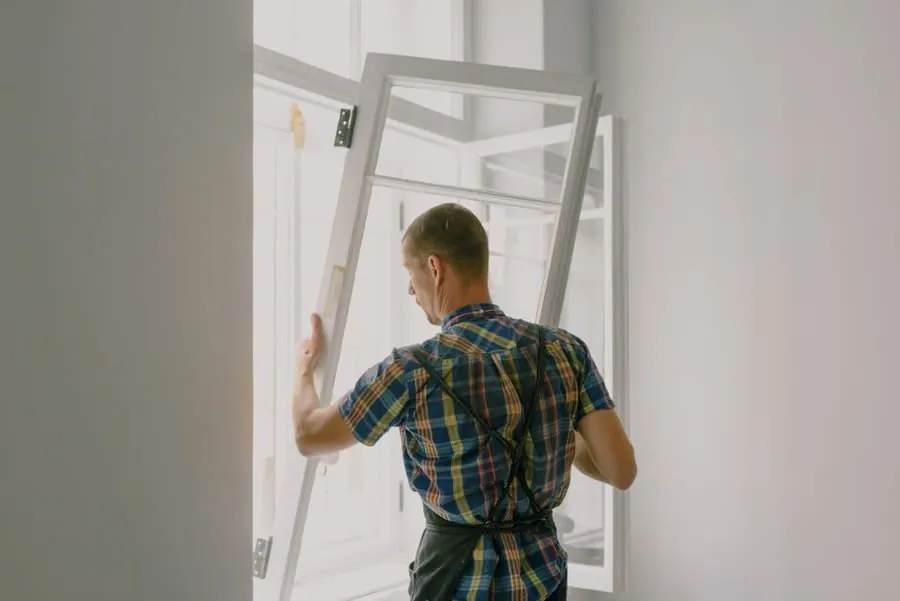
Bi-fold installation is more involved than a standard door replacement. Individual aluminium panels can weigh 40-80kg, and the track and roller system needs to be dead level and properly fixed. A track that’s even slightly out kills the smooth action and causes panels to drift.
The lintel carries the structural load. For most Exeter semis with adequate existing lintels this is fine. For older properties where the original opening was smaller, or where the wall construction is unusual - rubble stone appears on some of Exeter’s Victorian housing in the city centre - the lintel needs checking properly before any opening work starts. Any competent installer does this during the site visit.
Internal making-good after installation is worth planning for. The threshold area, internal reveals, and floor finish will all need attention. On many Exeter properties the original floor boards or tiles don’t run to the exact edge of the old opening, so a new threshold exposes floor that needs finishing. That’s typically the homeowner’s job to arrange, but knowing it’s coming is better than a surprise.
What Makes Bi-Fold Doors Work In An Exeter Home

The properties where bi-folds make the most difference share a pattern. The room connects directly to a garden or patio at roughly the same level - steep steps break the connection entirely. The room gets reasonable daylight from other windows, so the bi-fold is adding to existing light rather than compensating for a dark room. And the garden is somewhere people actually want to be.
Exeter’s 1930s and 1940s semis - Pinhoe, Wonford, Whipton - are often good candidates. The rear kitchen and dining rooms tend to have original small windows and a separate back door. Good-sized plots, ground-floor rooms that connect naturally to a garden, and rear walls that can usually be opened up without major complications. The change on those properties is dramatic.
Victorian terraces in Heavitree, St Thomas, and Pennsylvania are more varied. Rear extensions are common, some already have decent openings. Where they don’t, solid brick or stone rear walls mean the structural work is more involved. Worth a proper assessment before committing to anything.
For a free site visit and quote on bi-fold doors in Exeter, contact our team - we’ll look at the opening, work out the configuration that suits how you use the room, and give you a fixed price before anything is ordered.
Frequently Asked Questions
How much do bi-fold doors cost in Exeter?
For a standard three or four-panel bi-fold door set supplied and fitted in Exeter, expect to pay between £2,500 and £5,500 depending on the material, width, and glazing specification. Aluminium bi-folds sit in the £3,500-£6,500 range for a typical opening. uPVC bi-folds are cheaper, from around £2,000 fitted for a narrower opening. Larger openings - six or more panels spanning 4m or more - can reach £8,000-£12,000 in aluminium with quality glazing. Those prices include VAT and fitting; always ask for a VAT-inclusive quote so you can compare accurately.
Are bi-fold doors worth the money for Exeter homes?
For the right property and the right room, yes. Bi-fold doors work best where you have a ground-floor room - kitchen, dining room, or living room - that adjoins a garden or patio and currently has a small or dated opening. They transform the connection to outdoor space in a way no standard door or pair of French doors can match. That change has real value at resale too. The investment is harder to justify on a first-floor opening, on a room that already has large glazed doors, or on a property where the garden faces heavily north. The right site visit before ordering tells you whether the opening works.
Do bi-fold doors need planning permission in Exeter?
Most bi-fold door installations in Exeter don't need planning permission - they fall under permitted development rights, provided the door is replacing an existing opening of similar dimensions. The exceptions are listed buildings (where listed building consent is almost always required) and properties in Exeter's conservation areas - St Leonard's, Pennsylvania, the Cathedral and City Centre, and others - where the materials and appearance of the opening may need conservation area consent. If there's any doubt about your property's status, check with Exeter City Council's planning team before ordering.
How long do bi-fold doors take to install in Exeter?
A standard bi-fold door installation in Exeter typically takes one to two days. Day one is usually structural preparation - making good the opening, checking the lintel, removing the old door or window - and day two is the frame fitting, hanging the panels, and sealing. For larger or more complex openings (six-plus panels, structural alterations to widen the aperture), allow two to three days. The doors themselves are usually manufactured to order with a six to ten week lead time, so the total timeline from order to completion is typically eight to twelve weeks.