
20 July 2026
Casement Windows Or Sash Windows: Which Suits Your Exeter Home?
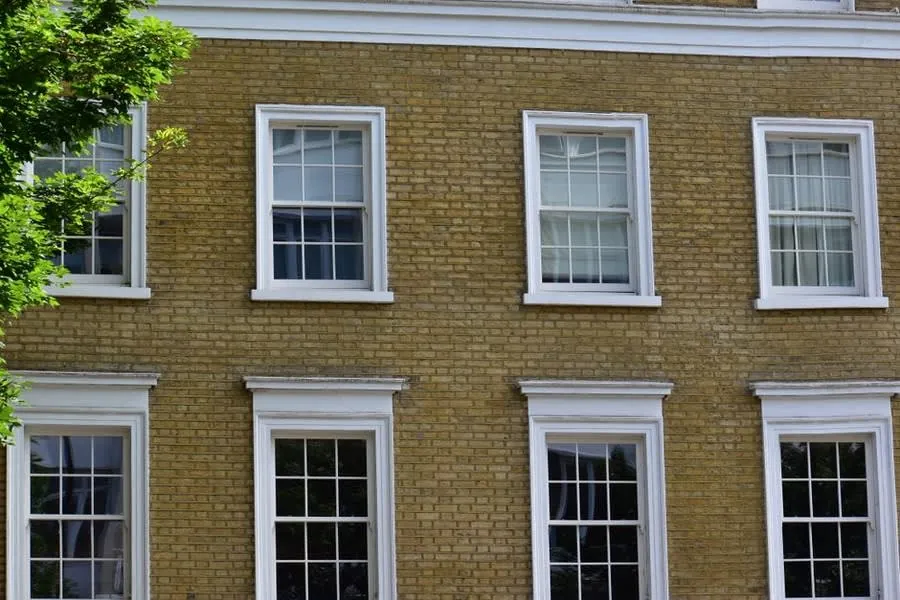
Walk down almost any residential street in Exeter’s older neighbourhoods and you’ll see both types: the up-and-over movement of original sash windows and the outward swing of casements on later or altered properties. They suit different things, and picking the wrong one for a specific property isn’t just an aesthetic mistake. In a conservation area, it can mean an enforcement notice. Exeter has significant conservation area coverage, which makes this a more consequential question here than in most towns of similar size.
What The Difference Actually Is
A sash window has two glazed panels that slide vertically past each other within a fixed outer frame. The traditional mechanism uses counterweights on cords hidden inside the frame; modern equivalents use spiral balances, which are more reliable and easier to service. The defining feature is the vertical movement and the meeting rail - the horizontal bar where the two sashes overlap in the middle.
A casement window is hinged on one side and swings outward. Most have a turn handle and open on friction stays, which let you hold the window at any angle. Casements can also tilt before they swing, which is useful for ventilation on a rainy day.
There’s a third type worth mentioning - the horizontal slider, where the sash moves sideways. These show up on 1950s and 1960s housing across Exeter, particularly on former council stock. They’re less part of the casement vs sash debate and are mostly being replaced with casements when they come up for renewal.
Our window installation team handles all three, but the casement vs sash question is the one that generates the most conversation with homeowners on period properties.
Which Property Types In Exeter Suit Sash Windows
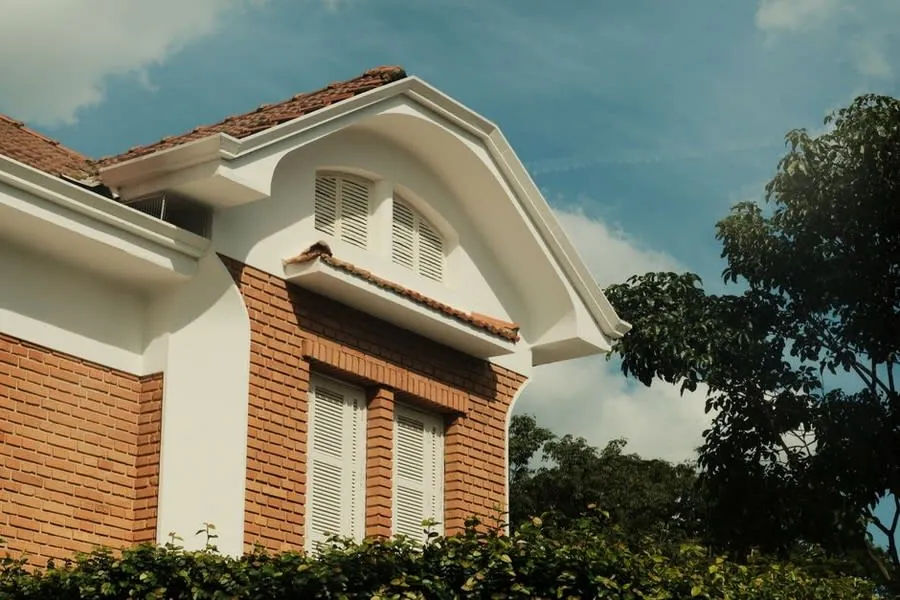
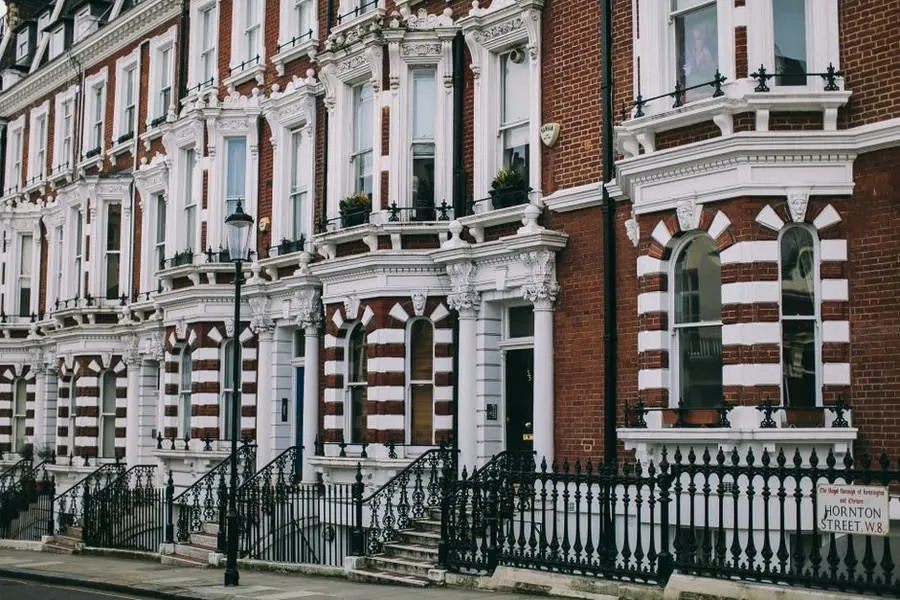
Victorian and Edwardian terraces and semis - a large part of Exeter’s housing stock in Heavitree, St Thomas, Pennsylvania, and parts of St Leonard’s - were built with sash windows. The vertical movement, the glazing bar proportions, and the shadow lines of the meeting rail are what gives those streets their look. A front elevation that puts a casement where neighbouring properties have sashes reads as wrong immediately, even if the person looking can’t say why.
For these properties, sash replacement is almost always the right call on front elevations. The decision is about material and specification, not window type. Modern uPVC sash windows in a slim-line profile can look convincing at street level and cost considerably less than timber. Timber is what the council usually wants where planning is involved - listed buildings, conservation area applications - because the profile depth and glazing bar detail is easier to replicate accurately.
Rear elevations are a different matter. Period properties were often extended later with kitchens and utility rooms that already have mixed window types. Planning rules are more relaxed at the back. Casements on a rear extension of a Victorian terrace are common and nobody objects to them.
Which Properties Suit Casement Windows
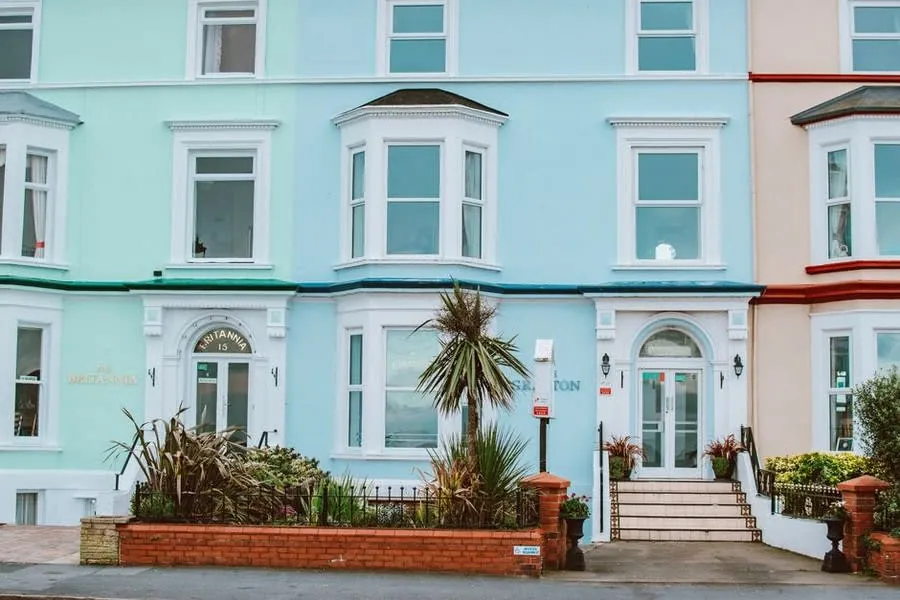
Properties from the 1930s onwards were built with casement windows. The inter-war semis covering Pinhoe, Whipton, Countess Wear, and Alphington had casements from the start, and replacing them with casements is the obvious choice. Fitting sash windows to that type of property looks wrong - they weren’t designed for them.
Newer builds from the 1960s onwards are almost all casement windows. Replacement is straightforward.
Casements have practical advantages that aren’t property-specific. The compression seal on a modern casement is more airtight than the sliding seal on a sash window of comparable quality. Opening the panel outward means you can clean the outside of the glass from inside - on a ground or first floor - which matters on a semi where there’s no side access. Casements are also marginally cheaper to supply and fit than sash windows at equivalent specification, because the mechanism is simpler.
For larger openings - picture windows, wide living room spans - casements are usually more practical. A single wide sash needs heavy counterweights and gets unwieldy; casements handle wide openings by adding panels.
Conservation Areas In Exeter - What The Rules Mean In Practice
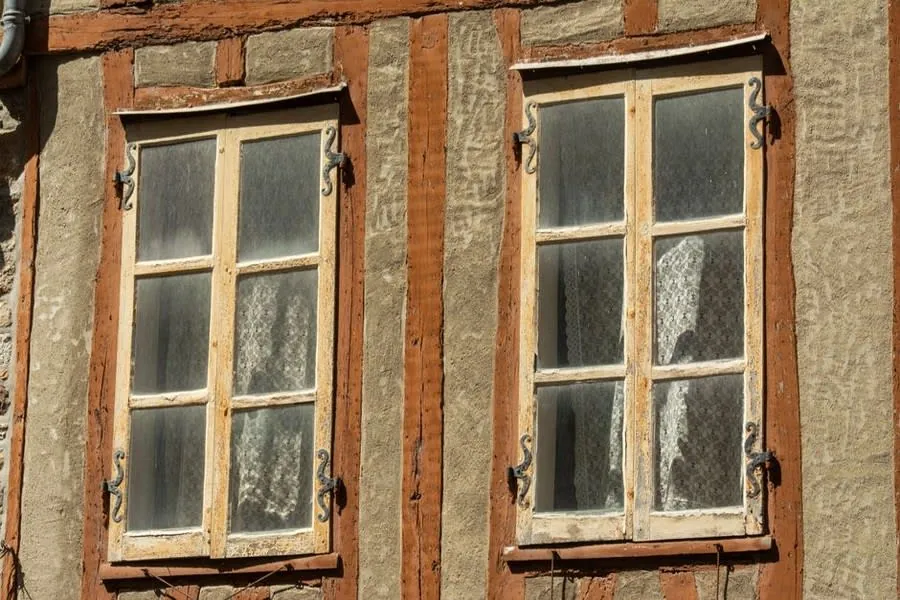
Exeter’s conservation area coverage is more extensive than most people expect. The Cathedral and City Centre is the obvious one, but St Leonard’s, Pennsylvania, the Victorian terraces along Heavitree Road, and parts of Topsham also carry designation. Exeter City Council’s conservation area guidance lists which areas are covered and what that means for window work.
In a conservation area, replacing windows on a front elevation - or a side elevation visible from a public highway - may need conservation area consent if the replacement changes the material, style, or character. Switching from timber sash to uPVC casement on the front of a Pennsylvania Victorian terrace will almost certainly need consent and is unlikely to get it.
Even where consent isn’t technically required, enforcement action is possible if the change harms the area’s character. The sensible step is a quick call or email to Exeter City Council’s planning team before ordering anything for a front elevation. A pre-application advice request - usually £50-£150 for residential work - tells you what’s acceptable before you’ve committed.
Listed buildings are separate. Listed building consent is needed for replacement windows on a listed building regardless of conservation area status. Exeter has a significant number of listed properties, particularly around the Cathedral and city centre.
Side-By-Side: What Each Window Type Gets You
Thermally, the two types are comparable at equivalent specification. Both are available with A-rated double glazing and similar U-values. The gap between them used to be meaningful; on modern double-glazed versions the difference in air infiltration is smaller than it once was.
Security is good on both. Multi-point locks are standard on casements. Modern sash windows use sash locks and security bolts. Neither has a clear advantage when correctly specified.
Ventilation works differently. A casement opens fully in one movement, giving maximum airflow. A sash can be opened at the top and bottom at once, which creates a convection effect - hot air out through the top, cooler air in at the bottom. In Exeter’s mild climate both work fine for most rooms. In a warm south-facing bedroom, that convection effect from a sash is genuinely useful.
Maintenance differs. Timber sash windows need repainting every four to six years in Devon’s climate; uPVC casements need occasional cleaning and hardware lubrication but no painting. Aluminium sits between the two - anodised or powder-coated finishes last a long time with no painting, but the initial cost is higher.
Getting The Choice Right For An Exeter Property
For Victorian and Edwardian properties with original sash windows, replace like for like on front elevations. The conservation area rules may not force it, but the street looks right when the front elevation matches neighbouring properties. Rear elevations can switch to casements where that suits the room better.
For 1930s and later properties with original casements, replace like for like across the board. There’s no good reason to introduce sash windows to a property that was built for casements, and casements are more practical at every price point.
For newer properties, the choice is casements. That’s all there is to it.
The material question - timber, uPVC, or aluminium - is separate and should be driven by planning constraints, budget, and maintenance tolerance. Historic England’s guidance on windows in historic buildings is worth reading for anyone with a listed or pre-1900 property before making a final call.
If you have an Exeter property and aren’t sure what’s right - unclear planning position, or you want a second opinion on specification - get in touch for a free site visit. We cover Exeter and the surrounding area and can advise on what the rules actually mean for your specific property.
Frequently Asked Questions
Should I replace my sash windows with casement windows in Exeter?
It depends on the property. For a Victorian or Edwardian terrace in Exeter - particularly one in a conservation area like St Leonard's, Pennsylvania, or near the Cathedral - the short answer is usually no. The sash window is part of what makes the property look right, and replacing it with a casement fundamentally changes the front elevation. For 1930s or later properties, or for rear elevations on any property, casement windows are often a better practical choice - easier to open, better thermal performance per unit cost, and no planning complications. The key question is what the planning position is for your specific property.
Are sash windows less energy efficient than casement windows in Exeter?
Single-glazed timber sash windows are considerably less efficient than modern casement windows. But modern double-glazed sash windows - whether in timber, uPVC, or aluminium - are thermally comparable to casement windows of the same specification. The real difference is in air infiltration: even well-fitted sash windows have more potential air leakage points (the gap between the two sashes, the pulley boxes, the meeting rail) than a casement with modern compression seals. A good modern sash window minimises this, but it won't match the airtightness of a well-sealed casement. For most Exeter homeowners with a period property, the right answer is a high-quality modern sash replacement, not switching to casements.
Do I need planning permission to replace sash windows with casement windows in Exeter?
If your property is listed or in a conservation area, almost certainly yes. Exeter has several significant conservation areas - St Leonard's, Pennsylvania, the Cathedral and City Centre area, Heavitree Road's Victorian terraces, and parts of Topsham - where changing from sash to casement on a front elevation will need conservation area consent. Even where the individual property isn't listed, the character of the street matters. For properties outside conservation areas, replacing sash with casement windows is usually permitted development. Check with Exeter City Council's planning team before ordering - getting it wrong means an enforcement notice, not just a minor inconvenience.
Can you get double glazed sash windows in Exeter?
Yes. Modern sash windows are available in double glazed versions in both timber and uPVC, and increasingly in aluminium. uPVC sash windows in the slim-line profile designs of the past five years are genuinely hard to distinguish from painted timber at street level, and they avoid the maintenance burden of timber. Timber sash windows with slim double-glazed units are available from several manufacturers and are increasingly what Exeter's conservation area applications specify. The double-glazed unit in a sash window tends to be thinner than in a casement (to keep the profile slimmer), but modern units still achieve A-rated thermal performance.