
29 July 2026
Coloured uPVC Windows In Exeter: Anthracite Grey, Chartwell Green And More
Walk down most Exeter streets built in the last decade and you’ll see far less white than you would have ten years ago. Anthracite grey has moved from a premium option to the default choice on many new builds and replacements. Chartwell green is going on period properties that would once have defaulted to white. Black frames are appearing on extensions and rear elevations across St Thomas, Heavitree, and Pinhoe. The colour decision, for a long time an afterthought, is now often the first conversation.
Why Coloured uPVC Has Taken Over
Coloured uPVC windows in 2026 look different from the coloured uPVC of 15 years ago. Early coloured frames had visible join lines, uneven colour matching between profiles, and finishes that faded within a few years on south-facing elevations. The manufacturing technology has improved substantially since then.
Modern coloured uPVC uses UV-stable foil bonded to the outer face of the profile, or co-extruded colour that runs through the entire profile. Quality foil finishes from the main manufacturers - VEKA, Rehau, Deceuninck - carry 10-year colour guarantees and look consistent across the whole window. The product has earned its market share.
The other driver is kerb appeal. Estate agents will tell you that grey or black windows on the right property increase buyer interest, and we’ve seen this consistently with customers replacing windows on Exeter properties before listing them. For anyone replacing windows with a sale on the horizon, the colour decision has financial logic as well as personal preference.
Anthracite Grey - The Most Popular Coloured uPVC In Exeter
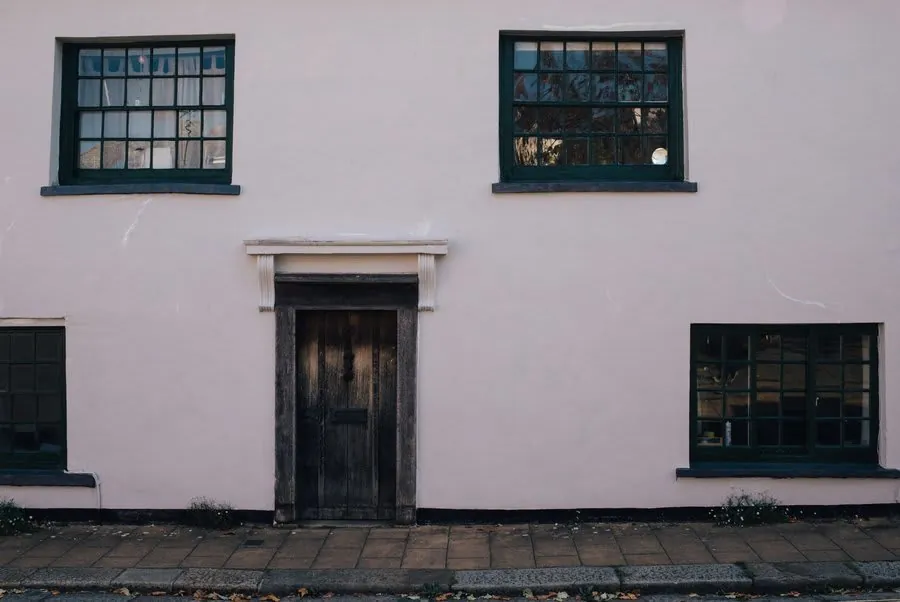
Anthracite grey - RAL 7016 - is now the single most requested colour for replacement windows across Exeter. It suits a wide range of property types, from the 1930s semis of Pinhoe and Wonford to newer builds on Monkerton and Cranbrook, and reads as neither too modern nor too traditional.
The most popular specification is dual-colour: anthracite grey on the outside, white on the inside. This gives you the kerb appeal externally while keeping the interior feel clean and light. A purely grey interior can make a room feel darker, particularly in north or east-facing rooms. Most manufacturers offer dual-colour on standard casement profiles at no significant extra cost over a single-colour grey.
On Exeter’s Victorian terraces - Heavitree, St Thomas, parts of St Leonard’s - anthracite grey on a rear elevation is common and generally uncontroversial. Front elevations are more complex, depending on conservation area status and the character of the street. A Victorian terrace front in Pennsylvania that currently has white or cream windows might not benefit aesthetically from grey, and may face planning pushback if it’s in a designated area.
One practical note specific to Devon: south-west facing windows in grey will feel noticeably warmer to the touch than white on sunny days, because darker colours absorb more heat. It doesn’t affect the frame’s long-term performance, but it’s worth thinking about on a glazed extension or orangery where solar gain is already a consideration.
Chartwell Green And Other Period-Appropriate Colours
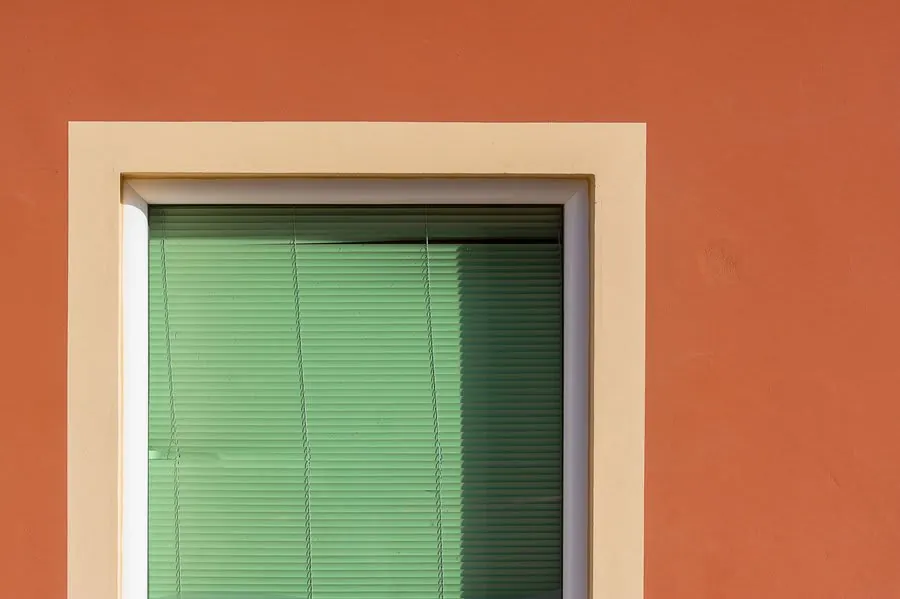
Chartwell green (RAL 6021) has become the colour of choice for period properties wanting something other than white but more sympathetic than grey. It’s a pale, slightly grey-toned green that sits naturally on Victorian and Edwardian stock - it references the painted timber that would have been original to those properties, without requiring timber maintenance.
In Exeter, Chartwell green works particularly well on the brick and Devon stone terraces of Heavitree Road, parts of Topsham, and the Edwardian semis around Pennsylvania. On a front elevation in those areas, it reads as considered rather than fashionable. That’s the right register for a conservation-sensitive context.
Cream is the safer step for properties where white feels stark. Cream frames on a cream or stone-painted render look more intentional than white, and it’s less likely to raise planning questions on a Victorian front than green or grey. Sage green is newer to the market than Chartwell and slightly more contemporary - it suits post-war properties better than Victorian ones. Heritage blue shows up occasionally on Devon coastal properties but is rare in Exeter itself; it’s more naturally at home in Topsham and Exmouth than in the city.
How Colour Affects The Cost Of Window Replacement In Exeter
Coloured uPVC windows cost more than white, but not dramatically so. The price uplift on most standard colours - anthracite grey, Chartwell green, cream, black - is typically 10-20% over equivalent white windows from the same manufacturer. On a full house replacement of eight to twelve windows in Exeter, that’s an additional £400-£1,200 on the overall project cost.
Standard foiled colours are the cheapest option because they’re stocked widely and require no custom work. These carry the same manufacturing lead time as white windows - three to five weeks for most suppliers. Dual-colour (coloured outside, white inside) adds around 5-10% to the single-colour price with no change to lead time.
Bespoke RAL colours are a different matter. A non-standard shade might add 30-50% to the window cost and two to four weeks to manufacturing. Woodgrain foils - rosewood, golden oak, mahogany - sit in a similar price band to standard coloured options and remain popular for properties where a timber look is wanted without the timber maintenance.
Whatever colour you go for, ask to see physical samples before you commit. Colour matching on a monitor is unreliable, and foil finishes vary in depth and texture between suppliers. A sample in the actual frame material, seen in daylight against your brickwork or render, is worth the extra step.
What Exeter’s Planning Rules Mean For Coloured Windows
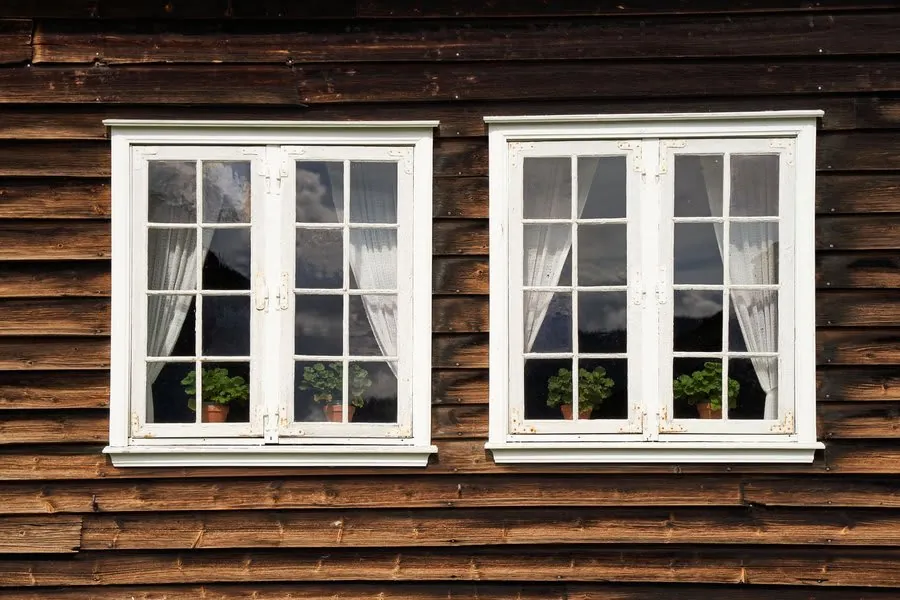
For most Exeter properties outside designated areas, window colour is unrestricted. Replacing white uPVC with anthracite grey on a 1960s semi in Whipton or Countess Wear requires no planning permission. Most jobs are straightforward.
Conservation areas are the exception, and Exeter has more of them than many comparable cities. The Cathedral and City Centre has close management of new windows on front elevations - any change visible from a public highway can need conservation area consent. St Leonard’s and Pennsylvania carry designation that can apply to window colour changes on the front elevation, though rear elevations are treated more leniently. Topsham has active conservation area management where period-appropriate colours are expected on front elevations. The Heavitree Road corridor has partial designation - check the specific address rather than assuming.
Listed buildings need listed building consent for any window change regardless of colour. There are a significant number of listed properties in central Exeter and Topsham.
If your property is in a conservation area or is listed, a quick email to Exeter City Council’s planning team before ordering is the sensible step. A pre-application advice request (£50-£150 for residential work) gives you a written answer before you’ve committed to anything.
Which Colours Work Best For Exeter’s Different Property Types
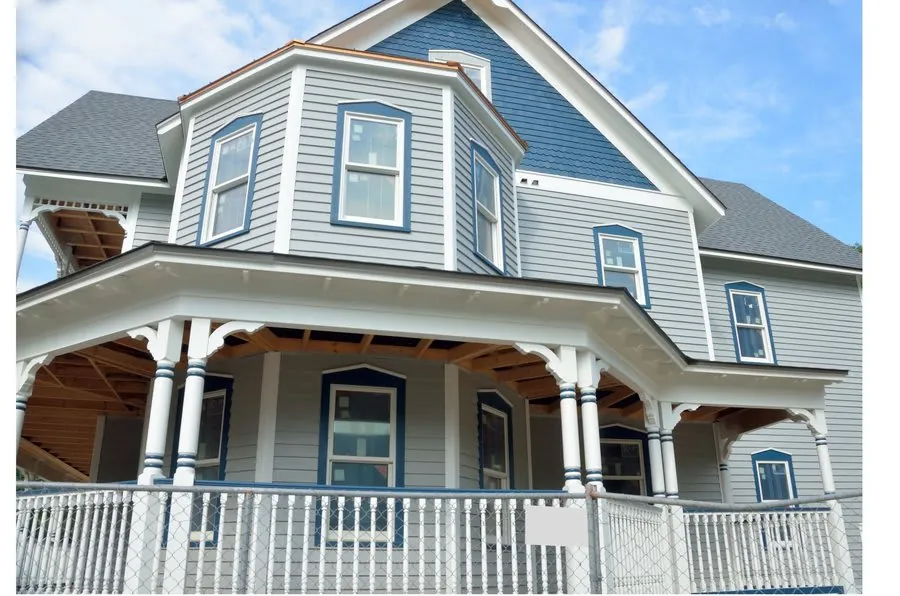
Victorian and Edwardian terraces in Heavitree, St Thomas, and Pennsylvania are the most nuanced case. Anthracite grey or black on a rear elevation looks good against brick. Chartwell green or cream on the front reads as historically sympathetic if the street has a consistent character. White or near-white remains the most conservation-safe option where planning is a real consideration.
The 1930s and 1940s semis covering Pinhoe, Wonford, and Whipton suit coloured uPVC well. Anthracite grey or slate grey reads naturally against the pebbledash render and brick typical of that period. Cream works on properties with painted or rendered fronts.
Post-war and 1960s-1970s housing in Countess Wear and the Alphington estates is the most flexible - no planning complications, and property proportions that suit most colour options. White remains the safe default for resale; grey is the upgrade choice.
New build estates on Monkerton, Cranbrook, and Newcourt often come from the developer with grey or charcoal already fitted. Replacement jobs on those properties are typically like-for-like in anthracite grey or black. The contemporary proportions and render finishes suit bold dark frames.
Our window installation team works across all of Exeter’s property types and can advise during the site visit on what colour specification will look right for your specific property and elevation. Get in touch to arrange a visit.
Frequently Asked Questions
What colours are available for uPVC windows in Exeter?
Modern uPVC windows come in a wide range of colours beyond the traditional white. The most popular options currently in Exeter are anthracite grey (RAL 7016), Chartwell green, cream, black, slate grey, and woodgrain foils that mimic timber. Most manufacturers also offer dual-colour options - grey or black on the outside, white on the inside - which is the most popular combination. RAL colours can technically be ordered in almost any shade, though less common colours typically have longer lead times and higher unit costs. Your installer can usually show you physical colour swatches before you commit.
Do coloured uPVC windows cost more than white in Exeter?
Yes, coloured uPVC windows typically cost 10-25% more than the equivalent white window. For a full house replacement in Exeter, that uplift might add £500-£1,500 to the overall cost depending on the number of windows and colour chosen. Anthracite grey is the most common coloured uPVC and is widely stocked; more unusual RAL colours carry a larger premium. Dual-colour windows (coloured outside, white inside) cost more than a single-colour option. The price difference is in the foil or spray finish applied at the manufacturing stage - the core uPVC profile is the same.
Can I get coloured uPVC windows in a conservation area in Exeter?
It depends on the specific conservation area and the elevation in question. Exeter has several conservation areas - Cathedral and City Centre, St Leonard's, Pennsylvania, and others - where Exeter City Council planning guidance applies. For front elevations in conservation areas, the council's preference is generally for materials and colours that respect the original character. White or cream windows are more likely to be acceptable than bold colours on a Victorian terrace front in Pennsylvania or St Leonard's. Rear elevations are treated more leniently. If your property is listed or in a conservation area, check with Exeter City Council's planning team before ordering coloured windows.
How long do coloured uPVC windows last before the colour fades in Devon?
Quality coloured uPVC windows use UV-stable foil or co-extruded colour that is designed to last 20-25 years without significant fading. Devon's climate is mild but the south-facing elevations get reasonable sun exposure over the year, and lower-quality finishes can show fading on south-west facing windows within ten years. Reputable manufacturers back their colour finishes with 10-year or longer guarantees. When getting quotes, ask specifically whether the colour is foiled, co-extruded, or spray-finished - co-extruded colour goes through the entire profile and is the most durable; foil is the most common; spray finish is the least durable and mainly used for bespoke RAL colours.