
5 August 2026
Composite Doors In Exeter: Costs, Styles And What To Know Before You Order
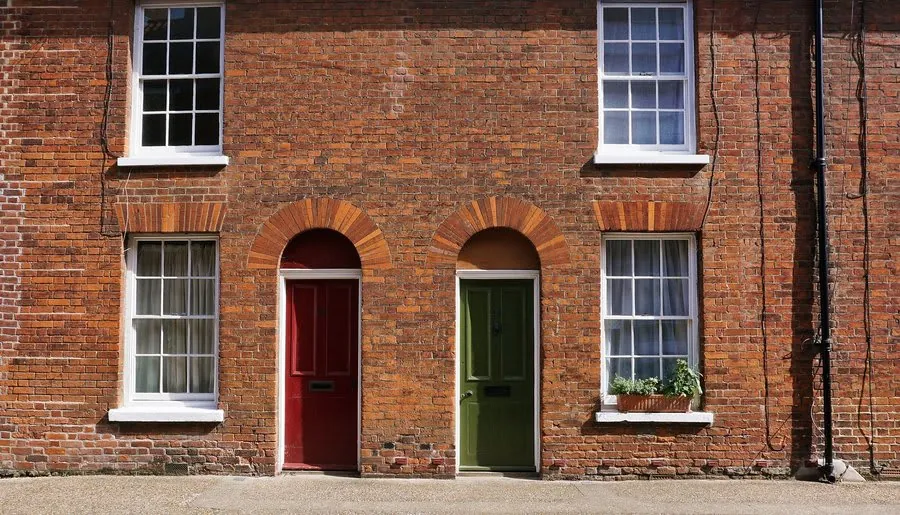
Most enquiries for a new front door in Exeter come down to composite within a few minutes of conversation. The alternative options - solid timber, uPVC panelled doors, aluminium - all have their place, but composite has become the default for a reason: it performs well thermally and acoustically, looks convincing in a range of styles, requires almost no maintenance, and holds its specification for longer than most homeowners will live in the same house. The market has matured enough that there are now meaningful quality differences between composite products, which is where the questions start to matter.
What A Composite Door Actually Is
The word “composite” describes the construction, not the material. A composite door has a timber or rigid foam core - or a combination of both - encased in a glass reinforced polymer (GRP) outer skin. The GRP skin is moulded, not flat: it can replicate the grain of timber, the panel profiles of a Georgian six-panel door, or the clean face of a contemporary slab. It’s what gives composite doors the ability to look convincingly like different materials.
The thermal performance comes from the core. A foam-filled core significantly outperforms a timber-only core on U-value. Most mid-market composite doors achieve a whole-door U-value of around 1.0-1.4 W/m²K - better than a standard double-glazed window. Well-specified composite doors with multi-point locking and compression seals are also acoustically better than the timber panelled doors they typically replace on older Exeter properties.
The security performance comes from the hardware and the way the door locks. A composite door with multi-point locking - typically three or five locking points along the length of the door - is significantly more resistant to forced entry than a single-point mortice lock on a timber door. Most mid-market composites come with multi-point locking as standard. Higher-end products carry PAS 24 or Secured by Design certification, which is the standard required by some insurers and by Part Q of the building regulations for new build and some replacement scenarios.
What Composite Doors Cost In Exeter
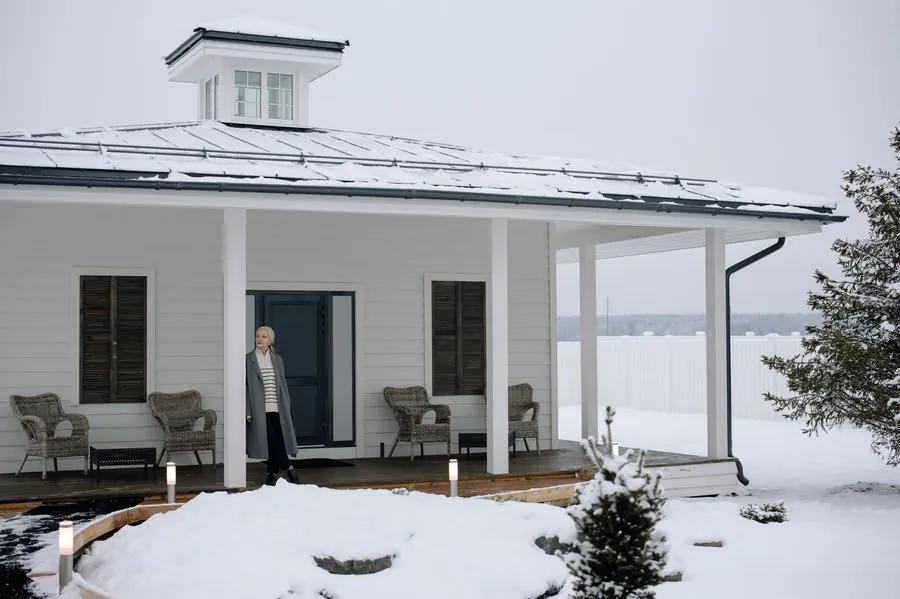
The typical range for a composite front door supplied and fitted in Exeter is £900-£1,800. That covers the main mid-market brands - Solidor, Rockdoor, Endurance, Comp Door - in standard sizes and standard colours with a standard hardware set.
Where you land in that range depends on the door specification more than the brand. A simpler panel design in a stock colour with a basic handle and letterbox is toward £900-£1,100. A detailed six-panel Georgian style with a chrome lever handle set, period-style knocker, and a matching composite frame is toward £1,400-£1,800. Adding a glazed sidelight - a fixed glass panel beside the door in a matching frame - adds £300-£600 depending on size.
Anything that requires bespoke sizing, a non-standard colour (some brands charge a premium for certain RAL colours), a certified security rating (PAS 24 or Secured by Design), or a premium hardware upgrade can push the total above £2,000 fitted.
The door frame is a variable that sometimes catches people out. Some quotes include a composite frame as standard; others quote with a uPVC or timber frame and only add a composite frame as an upgrade. A composite frame performs better thermally and looks better, but it’s worth confirming which type is in the quote before comparing prices.
Which Styles Suit Exeter’s Housing Stock

Exeter’s housing stock spans several distinct eras, and the right composite door design is different for each.
Victorian and Edwardian terraces in Heavitree, St Thomas, Pennsylvania, and parts of St Leonard’s had original doors with four or six panels - a traditional timber panelled design with a door knocker, letter slot, and often a small fanlight above. A composite door that references those proportions and panel arrangements looks right. A contemporary slab door on a Victorian terrace front looks wrong, regardless of the colour. Panel designs with moulded timber-grain GRP and period-style hardware (cast iron or antique brass lever handles, traditional letterbox plates) are what works on these properties.
The 1930s and 1940s semis covering Pinhoe, Wonford, Whipton, and Countess Wear had a different original door character - simpler panel arrangements, often with a small glazed panel at the top. Contemporary panel designs or simplified styles work well here. These properties suit anthracite grey or slate grey in a way the Victorian terraces don’t always.
Newer builds from the 1970s onward and the modern estates on Monkerton and Cranbrook give more freedom. Contemporary composite designs - minimal panel detail, full-width glazed panels, contrasting hardware - work on these properties without the period character clashing.
Security, Thermal Performance, And What The Certifications Mean

Most composite doors at the mid-market price point come with multi-point locking as standard - typically three or five lock points activated by a single handle lift. That alone is a significant security upgrade over the single-point mortice locks on older Exeter timber doors.
PAS 24 is the security standard that matters most in a residential context. A PAS 24-certified composite door has been tested against specific forced entry methods - including crowbar attack, lock drilling, and frame attack - and passed. Part Q of the building regulations requires PAS 24 compliance for entrance doors on new dwellings and relevant extensions. For existing homes replacing a front door, it’s not a legal requirement, but some home insurers ask for it, and it’s worth specifying where security is a priority.
Secured by Design is the police-endorsed scheme that uses PAS 24 (or a higher standard) as its baseline. A Secured by Design door carries the same physical performance as a PAS 24 door, plus the manufacturer has been audited by the scheme. It’s a useful marker when comparing quotes from different installers, because it removes some of the ambiguity about what “high security” means between brands.
Thermal performance is quoted as a U-value for the complete door. Good composite doors achieve 1.0-1.4 W/m²K. If glazing panels are included in the door, the glazed area performs at a higher U-value than the solid sections, and the combined door U-value reflects that. A glazed door - popular with homeowners who want to let light into a hallway - will have a higher U-value than a solid door of the same brand. On a north or east-facing Exeter front elevation where heat loss is a priority, a solid panel is the better thermal choice.
Colours, Glazing, And Hardware
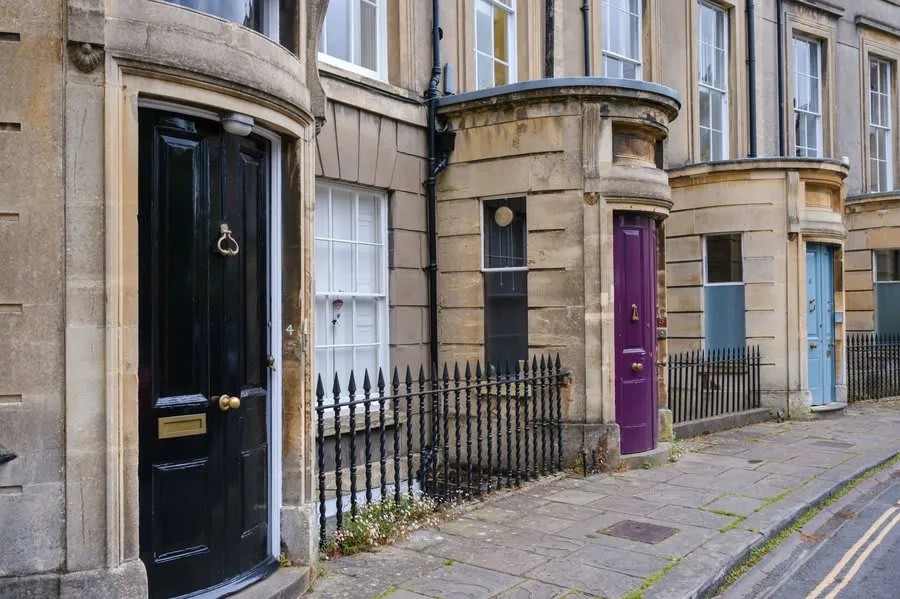
Colour is where composite doors have genuinely improved in the past ten years. Early composites came in a limited palette and the colours faded noticeably on south-west facing elevations within a decade. Modern GRP skins use through-colour pigmentation and UV-stabilised finishes that hold for 20-plus years. Most mainstream brands now offer 20-30 standard colours.
Anthracite grey and black are the most requested colours in Exeter right now. Both suit a wide range of property types. Chartwell green is the period-property choice - it references painted timber without the maintenance, and works well on the brick terraces of Heavitree Road and the stone-built properties around Topsham. Cream remains popular as a traditional alternative to white. Bright colours - red, teal, yellow - suit the Victorian terraces in conservation-adjacent areas where a bold front door in a heritage colour is part of the street’s character.
Some brands offer dual-colour doors (different colour inside and out). It’s a good option when the exterior colour is anthracite grey but you don’t want a dark hallway - white or cream on the inside keeps the internal feel light.
Glazing panels and furniture (handles, letterboxes, knockers, numerals) are chosen at the order stage and can’t easily be changed afterwards. It’s worth spending time on these decisions before ordering: the hardware is what makes a composite door look premium or budget, regardless of the door price.
What To Check Before Ordering
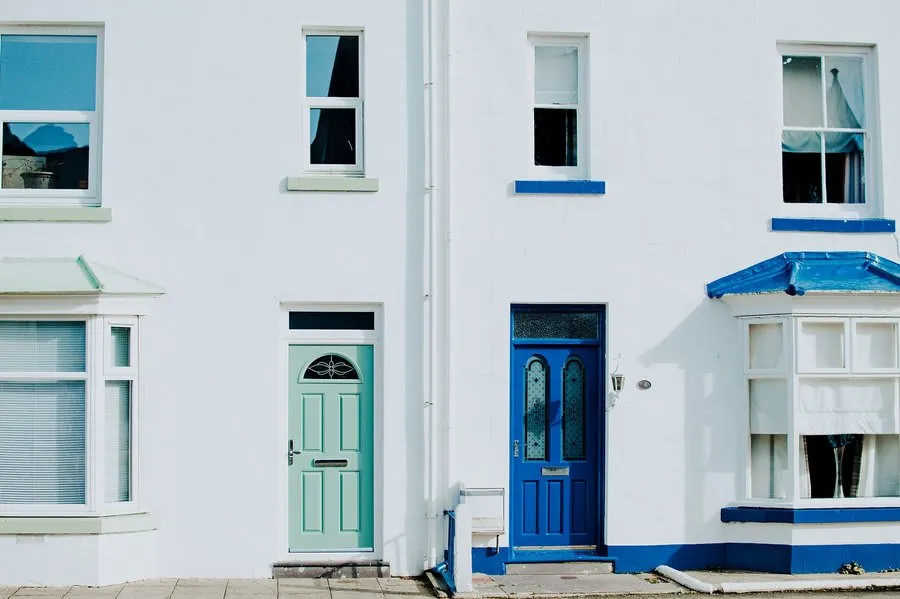
The composite door market has a reputation for variable quality because the word “composite” covers products that perform very differently. A few things worth confirming before you commit to an order.
Which brand and product line is being supplied? “Composite door” means nothing specific. Ask for the manufacturer name and the product range. Most reputable brands - Solidor, Rockdoor, Endurance, Comp Door - publish their specifications, U-values, and security certifications publicly, so you can verify what you’re being quoted against.
Is the door frame composite or uPVC? A composite door in a uPVC frame performs less well thermally than the same door in a composite frame, and doesn’t look as consistent on the exterior. Confirm which type is in the quote.
What’s included in the hardware? Some quotes include a lever/lever handle set as standard; others include only a lever/pad (a lever handle outside, a pad-turn inside). A decent lever handle set, a quality letterbox, and any additional furniture should be itemised.
Does the installation include FENSA registration? Front door replacement is notifiable under building regulations in England when the frame is also being replaced. An installer who’s FENSA registered handles this automatically. One who isn’t will need a separate building regulations application. Confirm which applies.
Our door installation team fits composite doors across Exeter. Get in touch to arrange a site visit and a quote for your specific property and opening.
Frequently Asked Questions
How much does a composite door cost in Exeter?
A standard composite front door supplied and fitted in Exeter typically costs £900-£1,800. That range covers the main mid-market products - Solidor, Rockdoor, Endurance, and similar - in standard sizes with a standard colour and hardware set. At the lower end you're looking at a simpler slab design in a stock colour with basic hardware. At the upper end you're getting a more detailed panel design, premium hardware, composite frame, and potentially a coloured or glazed sidelight. Very large or non-standard configurations, bespoke colour options, or premium brands with certified security ratings can exceed £2,000 fitted. Always get a VAT-inclusive quote.
How long does a composite door last?
A well-specified composite door in Devon's climate should last 25-35 years before the GRP skin or core shows significant degradation. The components that wear first are the hardware - hinges, locks, letterbox, and handle - which are replaceable without changing the door. The GRP (glass reinforced polymer) outer skin is UV-stable and won't fade, warp, or crack under normal exposure. The timber or foam composite core gives the door its thermal and structural properties and is well-protected by the GRP. Most manufacturers offer 10-year guarantees on the door itself and shorter guarantees on hardware.
Do composite doors need planning permission in Exeter?
Like-for-like front door replacement doesn't need planning permission for most Exeter properties. Permitted development rights cover replacing a front door with one of similar appearance. The exceptions are listed buildings, where listed building consent is required for any new or replacement door, and conservation areas - St Leonard's, Pennsylvania, the Cathedral and City Centre, Topsham, and parts of Heavitree - where the materials and appearance of a front elevation door can need conservation area consent. In conservation areas, a composite door with a design that references original timber panel doors is more likely to be acceptable than a plain slab or strongly contemporary style. Check with Exeter City Council's planning team before ordering if your property is listed or in a conservation area.
What is the most popular composite door colour in Exeter?
Anthracite grey is now the single most popular colour for composite doors across Exeter, followed by black. Both read as contemporary and work across a wide range of property types. Chartwell green is the most popular choice for period properties where grey or black would look incongruous - Victorian and Edwardian terraces in particular. Cream and white remain popular as the traditional safe choices. Bright colours - red, blue, yellow - are less common but do appear, particularly on Victorian terraces in areas like St Leonard's where a painted timber door in a heritage colour was the original norm. Most manufacturers offer a wide colour range; the premium for a non-standard colour depends on the brand.