
30 June 2026
Does Double Glazing Add Value To Your Home In Exeter?
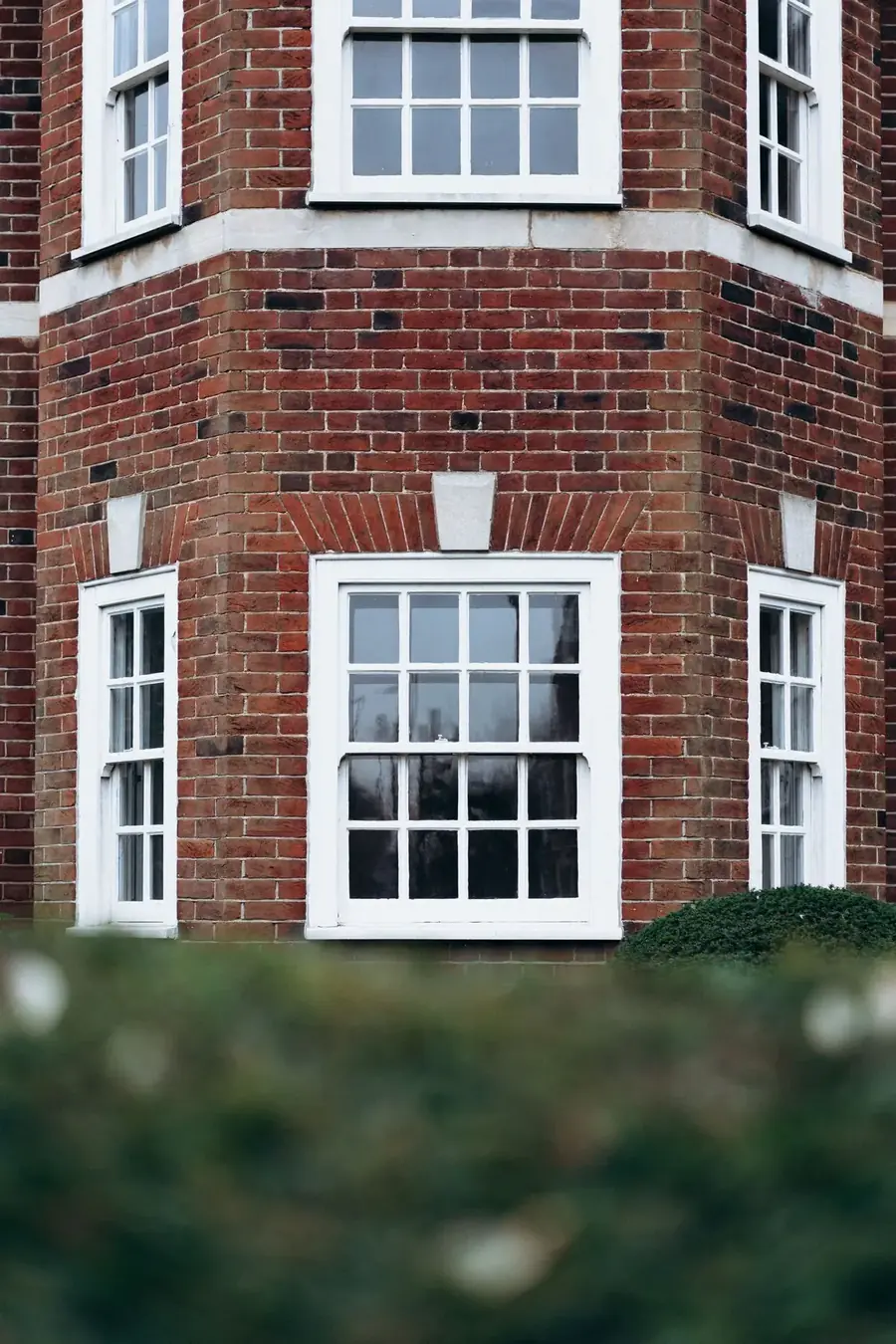
New double glazing adds value to most Exeter homes - but how much depends on what you’re replacing, the type of property, and whether buyers in your area already expect modern windows as standard. Research from the HomeOwners Alliance puts the potential uplift at 5-10% of property value. Exeter’s housing stock complicates the picture: Edwardian terraces in Heavitree where single glazing is still common sit alongside 1980s estates where the original double glazing has been silently failing for years. The city also gets around 800mm of rainfall annually - well above the 680mm UK average - which makes window condition a practical concern for buyers, not just a cosmetic one.
What Buyers In Exeter Actually Expect
Estate agents in Exeter consistently report that double glazing is a baseline expectation for most buyers across the city’s residential areas. On the Pinhoe and Whipton estates, on the newer builds out towards Cranbrook, and in the post-war housing in Exwick and Wonford, buyers assume modern windows are already in place. If they’re not, or if the existing double glazing is visibly failing, it comes up in offers and surveys.

Victorian and Edwardian properties are a different story. Parts of Heavitree, St Thomas, and Topsham still have properties with original timber sash windows or single glazing. Where buyers expect modern double glazing and it isn’t there, the gap shows up in offers - and replacing single glazing in a well-presented Heavitree Road terrace with A-rated double glazing can move the sale price by more than the cost of the work. The key is doing it properly: FENSA certification, a proper installation, the right product for the property type. Buyers’ surveyors know the difference.
Our window installation service in Exeter covers the full replacement process including FENSA registration on every job.
The EPC Effect
Energy Performance Certificates are now a significant factor in property valuations - and double glazing directly affects your EPC rating. A property currently rated E or F that installs A-rated double glazing throughout will typically move up one or two bands. Moving from an E to a D, or from a D to a C, has measurable market value beyond the aesthetic improvement.

Buyers and tenants are increasingly factoring running costs into decisions, and EPC ratings now feed into mortgage affordability calculations for some lenders. The Energy Saving Trust estimates that replacing single-glazed windows with A-rated double glazing saves a typical semi-detached household around £110-£120 per year on energy bills. Over a 10-year ownership period, that’s a direct financial return alongside any capital value uplift.
When Replacing Old Double Glazing Still Adds Value
Single glazing replacement is the clearest case for adding value - but what about properties that already have double glazing? Exeter has a significant volume of homes where the double glazing was fitted in the 1990s or early 2000s. Those units are now 25-30 years old. Sealed units have a typical lifespan of 20-25 years in normal conditions and often less in Devon’s wetter, windier climate - particularly in coastal positions or exposed hillside properties.

Failed units - misted between the panes, draughty around the seals - are a standard survey red flag. Surveyors flag them every time, and buyers use them to negotiate. Replacing them before marketing removes that ammunition. Whether you need to replace just the glass units or the full frames depends on what condition the frames are in - a survey will tell you which. Our window repairs service covers both options.
The Return On Investment Picture
Double glazing is not a zero-cost upgrade, so it’s worth being realistic about the return. A full window replacement on a 3-bedroom Exeter semi typically costs between £3,500 and £7,000. If the property is valued at £280,000 and the work adds 5% - that’s a £14,000 uplift. In that scenario, the investment makes clear financial sense.
But the numbers are less clear if the windows are functionally sound and the property is on a street where comparable homes already have modern double glazing. In that case, you’re spending money to match the competition rather than get ahead of it. It still removes a potential buyer objection, which has real value in a market where surveys routinely flag window condition - but the investment may not be fully recovered in the sale price. A conversation with a local estate agent before committing is worth having. The double glazing cost guide covers typical price ranges across different property types.
Conservation Areas And Listed Buildings - A Different Calculation
Exeter’s conservation areas - covering Topsham, Cathedral Close, parts of Heavitree Road and sections of St Leonard’s - require a different approach. Standard double glazing is not automatically permitted in these areas and replacing original windows without consent can result in enforcement action that requires the work to be reversed.
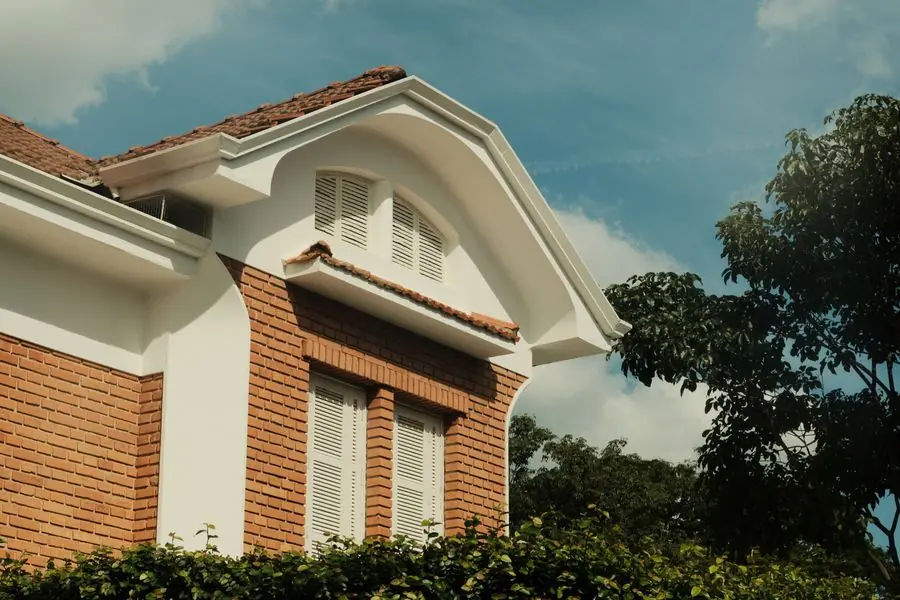
For listed buildings and conservation area properties, secondary glazing is the standard approved route. It reduces heat loss through windows by around 60-70% while leaving the external appearance completely unchanged - which is why Exeter City Council’s planning team actively recommends it. The Historic England guidance on glazing in historic buildings covers the options in detail. Done properly, it adds real thermal value without the planning risk.
Getting The Work Right Matters
The value double glazing adds depends heavily on the quality of the installation. Poorly fitted windows - frames not set square, seals not done properly externally, cheap units - don’t add the same value as a professional job with a 10-year guarantee and a FENSA certificate. Surveyors notice. Buyers notice.
FENSA registration means the installer notifies the local authority automatically and issues you a certificate on completion. That certificate is what your solicitor will ask for when you sell. Without one, you’re looking at a retrospective certificate from the local authority or an indemnity policy - neither is quick or free.
If you’re thinking about replacing windows ahead of a sale, or just want an honest view of what your property needs, we offer free surveys across Exeter with no obligation to proceed.
Book a free survey with Window Installers Exeter
Frequently Asked Questions
How much value does double glazing add to a home in Exeter?
Research from the HomeOwners Alliance suggests double glazing can add between 5% and 10% to a property's asking price, though this varies significantly by property type and what's already in place. In Exeter's competitive housing market - particularly for Victorian and Edwardian terraces in Heavitree, St Thomas and Topsham - buyers typically expect modern double glazing as standard. The value uplift is more pronounced when replacing single glazing than when upgrading from older double glazed units.
Does double glazing add value if my property already has it?
Replacing older or failed double glazing does add value, but the uplift is smaller than replacing single glazing. The main benefit of upgrading existing double glazing is restoring thermal performance that has degraded as sealed units fail over time, reducing energy bills and making the property more attractive to energy-conscious buyers. An EPC rating improvement is also a tangible benefit - moving from a D to a C rating, for example, has real market value.
Does double glazing need to be declared when selling in Exeter?
Yes. Any window or door replacements since 2002 must be accompanied by a FENSA certificate or equivalent building control completion certificate. Your solicitor will ask for this during the conveyancing process. If you don't have the certificate, you'll need to obtain a retrospective one or provide an indemnity policy, which adds cost and can slow the sale.
Is it worth replacing windows before selling in Exeter?
It depends on the current state of the windows and the property type. If the windows are clearly failed - misted between the panes, draughty, visibly deteriorating - replacing them before sale makes sense both for value and for avoiding buyer objections during survey. If the windows are functionally sound but older, it's worth getting a valuer's view on whether the investment will be recovered in the sale price before committing.
Are there any situations where double glazing doesn't add value in Exeter?
In listed buildings and conservation areas, replacing original windows with standard double glazing isn't permitted and can actually harm value if done without consent. For these properties, approved secondary glazing or sympathetically designed units are the right approach. It's also worth checking that any replacement work is FENSA certified - uncertified work creates a legal complication at sale that can outweigh the value added.