
15 July 2026
Does Double Glazing Reduce Noise? What Exeter Homeowners Need To Know

Road noise is one of the most common reasons Exeter homeowners look at their windows and wonder whether new glazing would help. It’s a fair question, but the answer is more nuanced than most people expect - and if you’re on one of Exeter’s busier routes, the difference between standard double glazing and the right acoustic specification is not small. The A377, Heavitree Road, Pinhoe Road, Cowley Bridge Road - properties close to those routes consistently report road noise as one of their biggest quality-of-life issues, and “just get new windows” isn’t always the right answer on its own.
How Windows And Noise Actually Work
Sound is measured in decibels (dB) and the human ear is non-linear - a 10dB reduction sounds roughly half as loud, not ten percent quieter. This matters because the difference between a window that achieves 28dB of reduction and one that achieves 38dB is dramatic in practice, even though the numbers look close.
Glass blocks sound reasonably well on its own. The problem is that a window is a composite of glass, frame, seals, and any gaps around the installation - and sound finds the weakest point. A glass unit that could theoretically reduce noise by 35dB loses much of that if the frame seals have compressed, the threshold sweep isn’t making contact, or there are small air paths around the frame.
The other variable is frequency. Road traffic generates most of its noise at low-to-mid frequencies - engine rumble, tyre noise on tarmac, diesel buses. Double glazing is more effective at higher frequencies (voices, higher-pitched sounds) than at the low-frequency rumble that often bothers people most on busy roads. This is why the acoustic specification of the glass matters a lot more than just having double glazing.
What Standard Double Glazing Does And Doesn’t Do For Road Noise

Replacing single-glazed windows with standard double glazing on a busy Exeter street will make a noticeable difference. Going from single glazing to a standard 4-12-4 double-glazed unit typically adds around 6-8dB of noise reduction. In practice that means the room feels meaningfully quieter - normal conversation is easier, sleep is less disturbed by passing lorries. But it won’t make a property on Heavitree Road feel like it’s in a quiet suburb.
Standard double glazing is designed for thermal performance, not acoustic performance. The symmetric glass panes (both 4mm) and the 12-16mm argon-filled gap are optimised for heat retention. They reduce noise, but not as much as a unit specified for acoustic performance.
For our window installation customers who specifically want acoustic improvement, we discuss the glass specification early - because it’s set at the manufacturing stage and can’t be changed once the unit arrives on site.
Acoustic Glazing - What The Upgrade Looks Like And What It Costs

There are two main ways to specify a double-glazed unit for better acoustic performance.
Asymmetric glass thickness means using different pane thicknesses (e.g. 6mm outer and 4mm inner, or 6mm and 6.4mm acoustic) so the two panes resonate at different frequencies, which breaks up sound transmission more effectively than two identical panes. It’s a relatively modest cost addition - typically £30-60 per unit - and adds a few useful decibels across the frequency range.
Acoustic laminated glass is the bigger upgrade. A layer of PVB (polyvinyl butyral) interlayer bonded between two panes of glass dampens sound vibration rather than just blocking the airborne path. Acoustic laminate on one or both panes, combined with a wider gap, is the most effective option within a standard double-glazed frame. For a property on a busy Exeter road, specifying acoustic laminated glass can push reduction from around 28dB up to 36-40dB - a difference that’s clearly audible from the first day the windows are in.
The cost uplift is usually £50-120 per window on top of a standard replacement price. For the improvement it delivers on a noisy road, most people find it straightforward to justify.
A wider sealed unit gap also helps acoustically - a 20mm gap performs better than a 12mm gap - though the improvement is less dramatic than the glass specification changes above. Worth asking about if noise is the primary concern.
Why Frames And Seals Matter As Much As The Glass
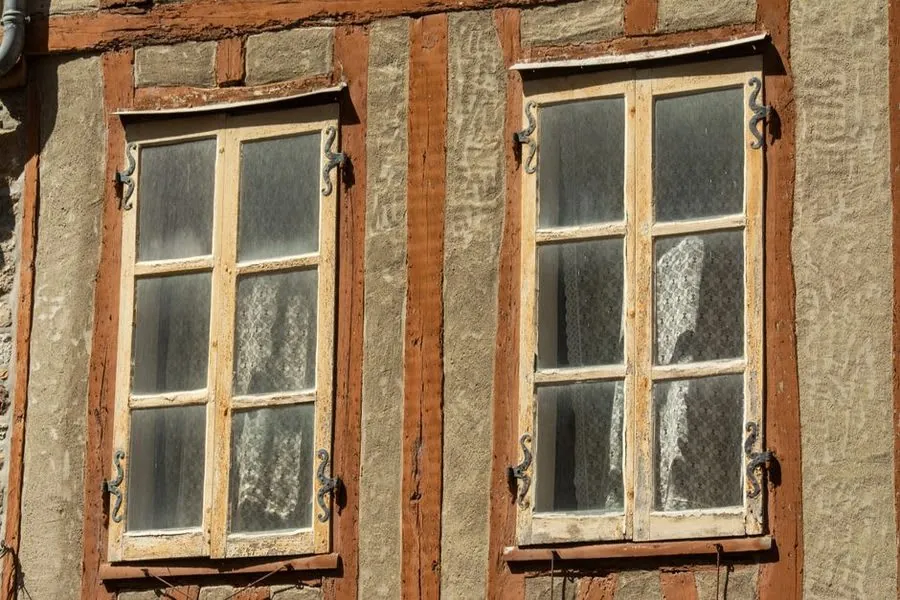
The glass unit achieves its rated acoustic performance in laboratory conditions with perfect seals. In a real installation, the weak points are nearly always at the interfaces - where the frame meets the wall, where the sash closes against the frame, and at the threshold.
Any small gap in the seal around a window frame will allow sound to bypass the glass. 2mm of gap at the reveal is enough to reduce your acoustic performance measurably. This is why installation quality matters as much as glass specification.
If you have an existing window that’s otherwise in decent condition and letting in noise, it’s worth checking a few things before deciding to replace:
Run your hand around the edge of the closed window on a windy day. Any air movement indicates a failing seal. Check the internal reveal for gaps where the frame meets the plasterwork. Check whether the threshold brush seal (the draught strip at the bottom of the casement) is still making contact when the window closes.
If an otherwise sound window is letting in noise partly because of seal failure, draught sealing and a new brush strip can make a noticeable difference at a fraction of replacement cost. Our window repairs team deals with this regularly on Exeter’s older housing stock.
Secondary Glazing - When It Outperforms Double Glazing On Noise

Secondary glazing consistently outperforms standard double glazing on acoustic performance. The reason is the air gap. A standard sealed double-glazed unit has 12-20mm between the panes. Secondary glazing creates 80-150mm between the inner pane and the outer window. The acoustic reduction over that wider gap is significantly greater than anything achievable within a standard sealed unit.
For properties on Exeter’s busier routes, secondary glazing can achieve 45-50dB of reduction - enough that a busy road outside becomes background rather than intrusion. The Noise Abatement Society consistently recommends secondary glazing as the most effective single intervention for road noise in residential properties.
It’s also the practical answer for a significant portion of Exeter’s housing stock. Many properties in the Cathedral and City Centre conservation area, St Leonard’s, and Pennsylvania are listed or in conservation areas where replacing the primary windows isn’t permitted - or where getting consent would be difficult. Secondary glazing can be installed without touching the existing windows, so there are no listed building consent complications in most cases, and the original character of the windows is completely preserved.
Our secondary glazing service covers all of these situations. The cost is typically lower than full window replacement - for a standard bedroom or living room window in Exeter, secondary glazing installed runs from around £300-£600 per window depending on size and whether the unit needs to open.
What To Expect For Different Exeter Property Types

Exeter’s housing stock varies a lot and the right acoustic solution differs between property types.
Victorian and Edwardian terraces (Heavitree, St Thomas, parts of Pennsylvania) have solid wall construction with original timber sash windows that are often poorly sealed and have little inherent acoustic performance. Secondary glazing is usually the most practical and planning-compliant answer, particularly near conservation areas. If the primary windows are in poor condition, replacement with an acoustic-specified unit and a well-sealed frame is worth considering at the same time.
1930s-1960s semis across Whipton, Pinhoe, and Countess Wear have cavity wall construction, and the original steel or timber casements are often already replaced with uPVC. If the existing double glazing is standard specification and showing its age, an acoustic-specified replacement will deliver an improvement. Secondary glazing as an addition works here too.
Newer builds on Monkerton, the Cranbrook fringe, and newer Alphington estates typically have decent double glazing from the build, but standard specification. If the property is close to the A30, the Exeter to Waterloo railway line, or a busy distributor road, an acoustic upgrade to the glass at next replacement is worth planning for.
For any property where noise is the primary concern, the starting point is which rooms matter most and what you’re actually experiencing - a bedroom facing a busy road is a different calculation to a rear-facing kitchen, and the most cost-effective solution is different in each case.
Get a free noise reduction assessment for your Exeter home
Frequently Asked Questions
Does double glazing actually reduce road noise in Exeter?
It helps, but the results depend on the glass specification rather than the double glazing label itself. Standard double glazing with two equal-thickness panes (typically 4-12-4) reduces airborne sound by around 28-32 decibels. For light road noise, that's often enough to make a noticeable difference. For properties on busy Exeter routes like Heavitree Road, Pinhoe Road, or the A377, you'll get better results from acoustic laminated glass or a wider air gap - or from secondary glazing, which typically achieves 40+ decibels of reduction.
What is the best type of window for noise reduction in Exeter?
For noise, the best standard option is a double-glazed unit with one pane of acoustic laminated glass and an asymmetric gap (typically 6mm-14mm-6mm or 4mm-16mm-6.8mm acoustic). The laminated layer dampens sound vibration rather than just blocking it. For properties in Exeter that need maximum noise reduction - near the railway line, the A30, or the city centre - secondary glazing fitted over existing windows consistently outperforms standard double glazing on acoustic performance, often achieving 45-50 decibels of reduction.
Will replacing my windows stop noise from the neighbours in Exeter?
Airborne sound that travels through walls, floors, and ceilings won't be affected by window replacement. Windows are an acoustic weak point, but they're not the only one - sound passes through party walls, loft spaces, and suspended timber floors too, particularly in Exeter's Victorian and Edwardian terraces. If you're mainly hearing noise through the windows (traffic, outdoor noise, people on the street), window replacement helps significantly. If sound is coming through the walls and ceiling as much as the glass, you need acoustic treatment in those areas too.
Is secondary glazing better than double glazing for noise in Exeter conservation areas?
Yes, and for two reasons. First, secondary glazing creates a much wider air gap than a sealed double-glazed unit - typically 80-150mm versus 12-20mm - and that wider gap is the single biggest factor in acoustic performance. Second, in Exeter's conservation areas (Cathedral and City Centre, St Leonard's, Pennsylvania, and others), secondary glazing is usually the only option Exeter City Council will accept for listed buildings and some period properties, because it doesn't require touching or replacing the original windows.