
29 July 2026
Draught-Proofing Windows In Exeter: When It's Worth It And When To Replace

The call comes in a few different forms. Sometimes it’s a homeowner in a Heavitree Victorian terrace asking whether their original sash windows can be saved. Sometimes it’s someone in a 1980s Pinhoe semi who has double glazing that’s “not as good as it used to be” and wants to know what to do before spending on replacements. Sometimes it’s a landlord trying to improve an EPC rating without a full window replacement.
The question behind all of them is the same: is this a draught-proofing job or a replacement job? The answer matters because the costs are very different, and it’s not always obvious which situation you’re in.
What Draughts Around Windows Actually Are
Draughts through windows come from two places. The first is the seal around the opening sash - the gasket or brush strip that compresses when the window closes to create an airtight seal. The second is the junction between the fixed frame and the surrounding wall - where the frame meets the plasterwork or reveal internally, and where it meets the masonry externally.
Modern casement windows use compression seals - rubber or EPDM gaskets that the sash presses against when the window closes. Over time those seals harden, split, or compress permanently and stop sealing properly. The draught appears at the line where the sash closes against the frame. This is the most common draught issue on double-glazed windows in Exeter that were fitted between 10 and 25 years ago.
Older timber sash windows work differently. The sashes slide past each other rather than compressing against seals, so there’s inevitably some gap around each sash. Historically, heavy curtains were the main mitigation. Modern sash draught-proofing uses brush pile strips fitted into routed channels - a real fix, not a workaround.
The third type of draught is frame-to-wall infiltration - air paths around the fixed frame. This is less about the window itself and more about how the frame was installed and how that installation has aged. It’s the type that doesn’t respond to seal replacement.
How To Find Where The Draught Is Coming From

The simplest test is a hand check on a windy day. Close the window fully and run your hand slowly around the perimeter - around the sash seal line, around the frame edge where it meets the wall, and across the bottom of the window. Any air movement is a draught path. Note where it is: that tells you whether you’re dealing with a seal problem, a frame-to-wall problem, or both.
A more accurate test uses a lighter or incense stick. The flame or smoke movement shows you airflow that’s too small for your hand to detect. Do this at the four corners of the sash (where compression seals are most likely to gap), along the bottom edge, and at the meeting rail if it’s a sash window.
For a window that feels cold but doesn’t obviously draught on a wind check, the issue might be radiant cold from a single-glazed pane or a failed double-glazed unit. A failed unit has visible condensation between the panes and feels noticeably colder to the back of the hand than a functional double-glazed unit. This isn’t a draught but it loses heat - and it’s a replacement job, not a draught-proofing job.
On Exeter’s older stock - particularly the Victorian and Edwardian terraces around Heavitree and St Thomas - frame-to-wall infiltration at the reveal is common. The gap between the frame and the surrounding masonry was often filled with plaster that’s now cracked, or with no fill at all on old installations. Draught-proofing the seals without addressing these gaps only partially solves the problem.
Draught-Proofing Casement Windows - What It Involves And What It Costs
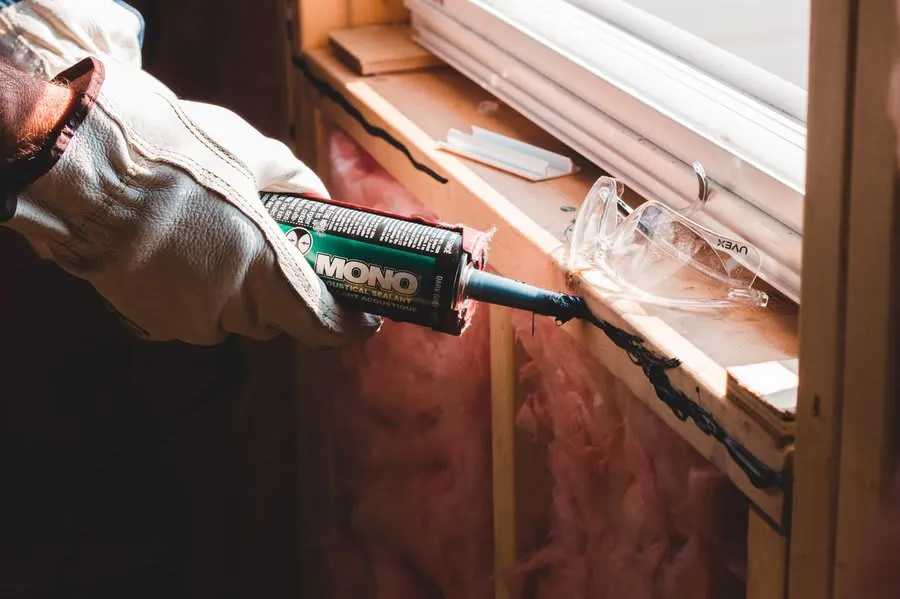
A standard uPVC casement window has a compression seal that runs around the perimeter of the sash on a carrier. Replacement seals are available for most mainstream profiles - VEKA, Rehau, Eurocell, Deceuninck - and can be ordered online or through a window supplier. Fitting them is straightforward on a window where the old seal carrier is intact: the old seal pops out of the groove, the new one clicks in.
On older or cheaper frames where the seal carrier itself has cracked or distorted, the fix is more involved. Sometimes the entire sash needs refitting; sometimes a flexible self-adhesive foam tape acts as an interim fix, though this is less durable than a proper replacement seal and needs redoing every few years.
The threshold brush strip at the bottom of the sash is the most commonly failing component on a casement. It compresses with every opening and closing, and on a window that’s used daily it typically lasts 10-15 years. Replacement strips are inexpensive and available for most profile types.
For a professional draught-proofing service on a standard casement in Exeter, the work takes 30-60 minutes per window and costs £30-£80 in labour depending on what needs doing. For a homeowner confident in DIY, a compression seal replacement and new brush strip is a reasonable afternoon job.
The most neglected element is the reveal seal - the joint between the fixed frame and the internal plasterwork. A bead of flexible decorator’s caulk or window seal around this joint is cheap, effective, and commonly missing on windows fitted more than 10 years ago. It’s worth doing at the same time as seal replacement.
Draught-Proofing Sash Windows In Exeter
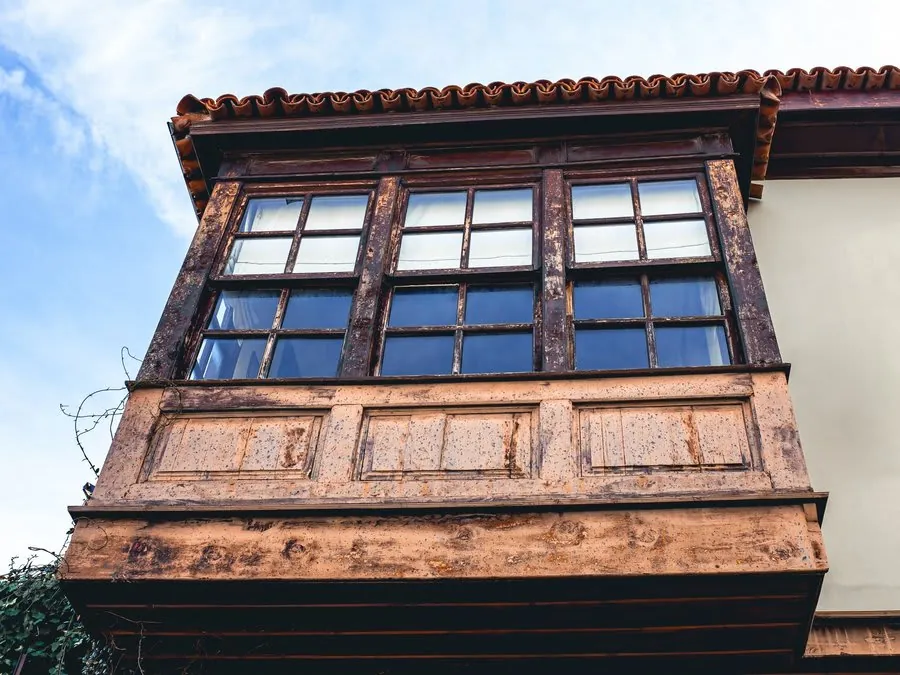
Sash window draught-proofing is a specific trade skill that’s done well on Exeter’s Victorian and Edwardian stock by specialists who understand the mechanism. It involves more than adding a bit of foam tape.
A thorough sash draught-proofing job works through several distinct air paths. Brush pile strips are fitted into routed channels on both sashes where they slide against the frame - this addresses the side infiltration that accounts for the bulk of draught on a typical sash window. A compressible seal or brush strip at the meeting rail (where the two sashes overlap in the middle) closes the gap that lets cold air through when both sashes are closed. The pulley boxes at the top corners - the cavities that house the counterweights - communicate directly with outside air via the gaps around the cords, and sealing those covers and boxing out the cord slots makes a real difference. The parting bead and staff bead, which hold the sashes in their channels, get draught strips fitted as part of a thorough job.
Done properly, sash window draught-proofing on a Victorian Exeter property dramatically reduces air infiltration - measured reductions of 50-70% in air change are achievable. The windows continue to function normally; you can still slide them. And critically, the windows look unchanged - which is the point for listed buildings and conservation area properties in Pennsylvania, St Leonard’s, or the Cathedral area where replacing the windows with double glazing isn’t possible.
Cost for professional sash draught-proofing in Exeter is typically £80-£150 per window for a thorough job including routed brush channels. A three-bedroom Victorian terrace with eight sash windows is a day’s work and £600-£1,200 total. That compares favourably with replacement windows if the frames are otherwise sound.
When To Replace Rather Than Draught-Proof
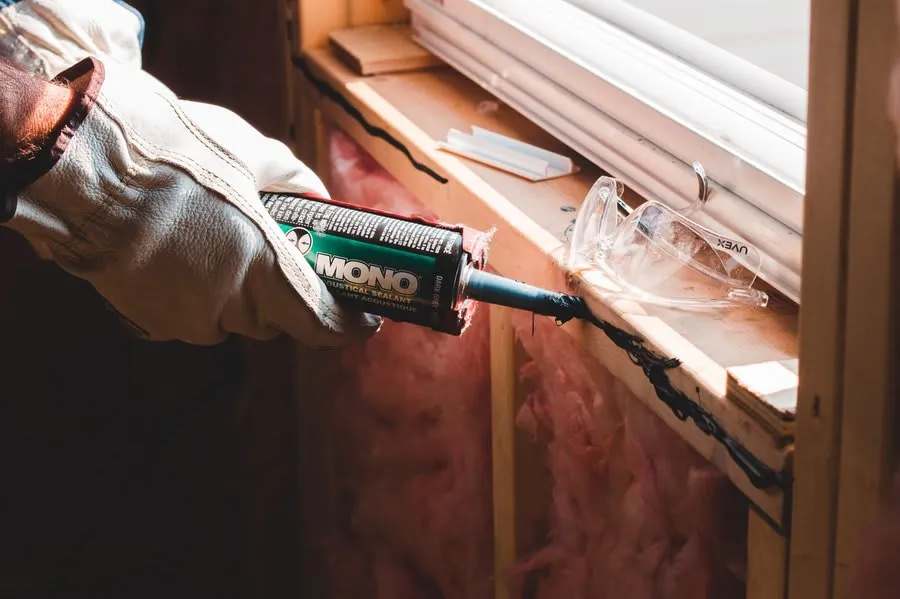
Draught-proofing has limits, and knowing where those limits are saves people from spending £150 on seals that won’t fix the actual problem.
Condensation between the panes of a double-glazed unit means the sealed unit has failed - the inert gas fill has gone and the thermal barrier is gone with it. New seals around the frame won’t change that. The unit needs replacing, and depending on the frame condition, it might be the whole window.
Soft or spongy timber at the frame or cill is rot. Draught-proofing a rotten frame is pointless - the rot continues and the frame eventually fails regardless. The question there is whether the rot is limited enough to repair or extensive enough to replace.
uPVC frames can distort when fitted without adequate reinforcement, or after years of expansion and contraction on a south-facing elevation. A distorted frame won’t seal properly no matter what seals you fit. Replacement is the only option that works.
Single-glazed windows are a different case. Draught-proofing them reduces infiltration, but it doesn’t address the conductive heat loss through the glass itself - which is the dominant factor. The economics of draught-proofing single glazing rarely stack up against replacing with double.
Persistent frame-to-wall gaps that have opened up because the frame has moved relative to the wall won’t hold a sealant repair for long. The frame needs refixing or replacing before any draught treatment will last.
The EPC And Energy Saving Case For Draught-Proofing
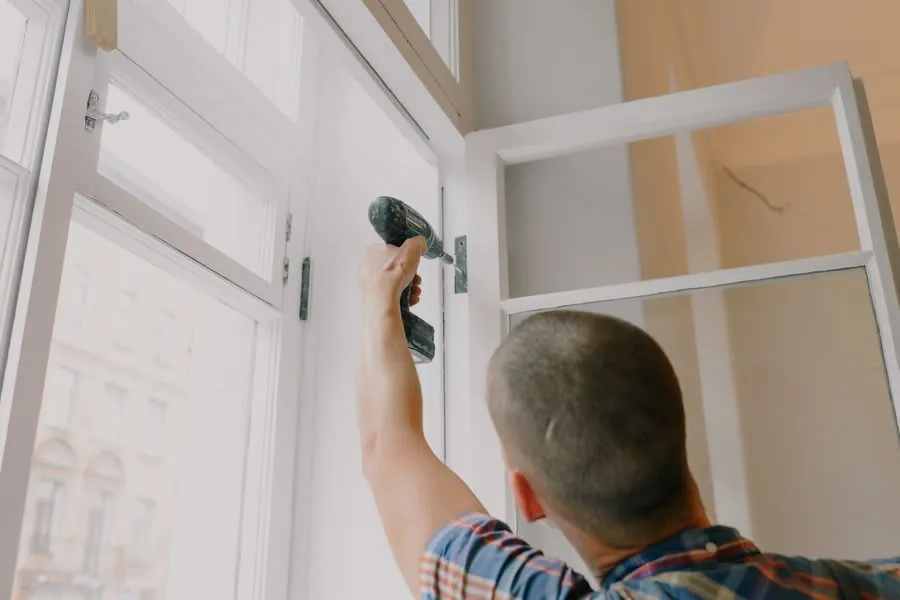
For landlords and homeowners in Exeter looking at EPC ratings, draught-proofing windows registers as an improvement in the EPC assessment - it reduces air infiltration, which is one of the modelled factors in the standard assessment procedure. It won’t transform an EPC D to a B on its own, but in combination with other measures it contributes meaningfully.
The Energy Saving Trust estimates that draught-proofing all windows and doors in a typical semi-detached house saves £50-£80 per year on heating bills at current energy prices. For an Exeter Victorian terrace with original sash windows and poor infiltration, the saving is toward the higher end of that range.
For a listed building or conservation area property in Exeter where full double glazing isn’t an option, draught-proofing is often the most significant single improvement available. Combined with secondary glazing on the worst-performing windows, it can meaningfully reduce heating demand in a property that can’t be fully modernised.
Our window repairs team handles draught-proofing alongside repair work for Exeter properties. For window replacement where draught-proofing isn’t the answer, our window installation service covers the full range. Get in touch to arrange a site visit and assessment - we can tell you on the day whether the work needs are repair, draught-proofing, or replacement.
Frequently Asked Questions
Is it worth draught-proofing windows in Exeter, or should I just replace them?
It depends on the age and condition of the window itself. If the frame is structurally sound - no rot, no broken seals in the double-glazed unit, no significant distortion - draught-proofing the seals and brushes is genuinely worth doing. A set of replacement draught seals and a new brush strip for a standard casement window costs £20-£60 in materials, and the draught reduction is usually immediate and noticeable. If the frame is rotten, the double-glazed unit has failed (condensation between the panes), or the window is so old that seals are no longer available, replacement makes more sense and is the better long-term investment. The test is whether the frame itself is still serviceable.
How do I know if my windows need draught-proofing or replacing in Exeter?
Run your hand slowly around the edge of a closed window on a windy day. Any detectable air movement through the frame seals or at the reveal indicates draught infiltration. If that air movement is at the seal line - where the sash closes against the frame - new compression seals or brush strips will usually fix it. If it's coming from cracks in the frame, from around the fixed glass, or from the glazing bead where it meets the glass, the problem is more likely a failing or deteriorating frame that won't hold a repair well. Also check for condensation between the panes of a double-glazed unit - that indicates a failed sealed unit that needs replacing, not just sealing.
What does it cost to draught-proof windows in Exeter?
DIY draught-proofing of a standard casement window costs £20-£60 in materials - replacement compression seals, brush strips, or self-adhesive foam tape for less accessible gaps. For professional draught-proofing by a window specialist, labour adds £30-£80 per window depending on the work involved. A full house draught-proofing service on six to ten windows in Exeter typically runs £150-£400 professionally done, or £100-£200 in materials for a confident DIY job. Sash window draught-proofing is more complex - the meeting rail, the pulley boxes, and the side channels all need addressing separately - and professional sash window draught-proofing on a Victorian property costs correspondingly more, typically £80-£150 per window.
Do timber sash windows in Exeter need draught-proofing differently from casement windows?
Yes. Sash windows have more potential air leakage paths than casements - the gap at the meeting rail (where the two sashes overlap), the sides of each sash where they slide, and the pulley boxes at the top corners. Casement windows mainly need the compression seals around the sash replaced and a new threshold brush strip if applicable. Sash window draught-proofing involves fitting brush pile strips into routed channels on the sides of each sash, a meeting rail seal, and often boxing out or sealing the pulley boxes. The result can be dramatic on a Victorian Exeter terrace - a well-draught-proofed sash window loses most of its draught without changing its appearance, which makes it relevant for conservation area properties where the windows themselves aren't being changed.