
16 July 2026
How Much Can New Windows Save On Energy Bills In Exeter?
Energy bills have been front of mind for most Exeter homeowners since 2022, and windows come up regularly. Are new windows actually worth it for the savings, or is it just a nice-to-have? It depends on what you’re starting with. For a Victorian terrace with original single-glazed sash windows, new glazing makes a real difference. For a house that already has decent double glazing, the maths are tighter. Here’s what the numbers look like for Exeter’s housing stock.
What Windows Actually Do To Heat Loss
Heat loss through a building envelope is measured by U-value - the lower the number, the better the insulation. Single glazing has a U-value of around 5.0-5.8 W/m²K. A-rated double glazing sits around 1.2-1.4 W/m²K. Roughly 75% less heat flow through the glass. You feel it immediately - no more cold air dropping off the pane when you sit near the window in January, and less surface condensation forming overnight.
Windows account for around 18-25% of a home’s heat loss. Meaningful, but not the dominant factor - walls, roofs, and floors collectively account for more. Window replacement alone won’t transform an energy bill, but it moves it. The bigger the window area and the worse the starting point, the more it moves.
Exeter’s prevailing south-westerly winds compound the issue. Atlantic air carries high humidity and drops temperatures at night throughout the winter. Poorly sealed or single-glazed windows on the south-west face of an Exeter property lose heat faster on exposed nights than they would on a sheltered property in a drier part of the country.
The Real-World Savings Figures For Exeter Homes

The Energy Saving Trust publishes estimates for annual savings from replacing single-glazed windows with A-rated double glazing. For a semi-detached house, that’s around £110-£165 per year. For a detached house, £165-£235. Those figures use typical UK gas prices and a standard number of windows - actual savings depend on how many windows you’re replacing, the gas price at the time, and how the property is used.
For Exeter’s Victorian terraces - which are often 3-4 bedroom mid-terraces with 8-12 single-glazed sash windows - the upper end of the semi-detached figures is realistic for a full replacement. That’s roughly £130-£160 per year, or around £3,000-£4,000 over 20 years. Set against the cost of a full window replacement, which might be £6,000-£10,000 for a Victorian terrace with original sash windows, the payback period is typically 15-30 years on energy savings alone.
Nobody replaces windows purely for the energy payback, and the people who try to calculate it often end up talking themselves out of the right decision. Comfort, condensation elimination, reduced draughts, security, and appearance all factor in - those are immediate, not accumulated over decades. The energy saving is real and ongoing. It’s just one part of the picture.
From Old Double Glazing To New - What The Saving Looks Like
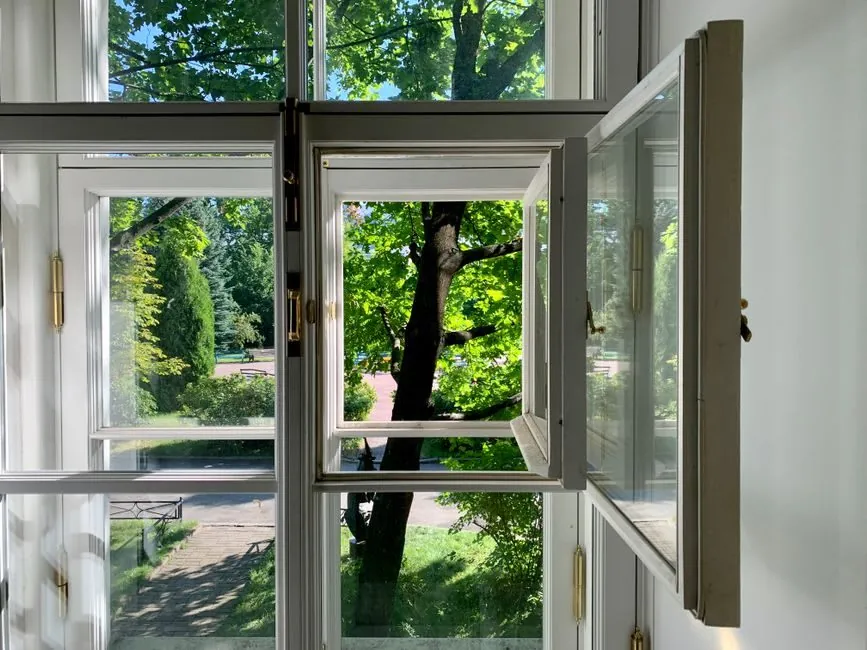
A lot of Exeter’s housing stock has double glazing that was fitted in the 1990s or early 2000s. This glazing was a significant improvement over single glass when it was new, but it’s aged in two ways. The sealed units in many of these older installations have failed - the edge seal has broken down, the insulating gas has escaped, and the unit is now performing more like single glazing than double. And even where the units haven’t failed, the original frames and glass specification were considerably less efficient than current A-rated units.
An older double-glazed unit in good condition (no seal failure) has a U-value of around 2.8-3.0 W/m²K. A current A-rated unit sits around 1.2-1.4 W/m²K. That’s a meaningful gap but a smaller one than single-to-double. The Energy Saving Trust estimates around £30-70 per year saving for replacing older double glazing with new A-rated units in a semi-detached house, depending on the age of the existing glazing and how many windows are being replaced.
For units that have actually failed (misted, condensation between the panes), the position is different - those units are performing far worse than their nominal U-value suggests. If 30-40% of a property’s sealed units have failed, the aggregate heat loss through those windows is significantly higher than the nominal figure. Our window repairs service can replace just the failed sealed units in many cases, which is cheaper than full frame replacement and deals with the worst performers without replacing everything.
How New Windows Affect Your EPC In Exeter
An Energy Performance Certificate (EPC) is required when selling or renting a property in England. The current minimum for a rented property is EPC E; the government has consulted on raising this to EPC C for new rental tenancies, though the timeline for this has been extended. If you’re a landlord with a property currently at E or below, windows are one of the more practical improvements to consider.
Replacing single-glazed windows with A-rated double glazing typically improves an EPC by one to two bands. For a Victorian Exeter terrace currently at E with original single glazing, a full window replacement combined with loft insulation (if not already done) will often move the property to D or C. That’s based on how the SAP calculation used by EPC assessors scores window energy ratings - A-rated units score substantially better than single glazing or older double glazing.
Worth knowing: the EPC assessor scores windows based on what they observe and their rated efficiency, not on energy bills. If your property has had a recent EPC but you’ve since replaced the windows, request a reassessment. The improvement should be reflected in the new certificate and is relevant both for rental compliance and for buyer confidence at sale.
For Exeter landlords navigating EPC requirements, GOV.UK carries the current minimum EPC requirements and the exemptions that apply to listed buildings and some older properties where improvement costs are disproportionate.
The Draught And Comfort Factor - Harder To Quantify But Very Real

The energy saving figures above capture conductive heat loss through the glass, but they don’t fully capture the effect of air infiltration. Old timber sash windows, even ones that aren’t visibly failing, often have small gaps around the meeting rail, between the sash and the frame, and at the pulley boxes that originally housed the sash weights. Each of those gaps is a path for cold air to enter the room.
Draught-proofing an existing sash window deals with some of this, but a replacement window eliminates it entirely. The difference in perceived warmth in a Victorian front room after the draughty sashes are replaced - even before the thermostat is changed - is usually more noticeable than the bill saving implies. The room simply holds heat better, which often means people use the heating less in that room or keep it at a lower temperature, and that behavioural change is part of what drives the actual bill saving in practice.
For Exeter’s Victorian terraces where the front reception room has original sash windows on the bay and the side elevation, draught infiltration has often been the dominant heat loss mechanism rather than conduction through the glass. A good installer will assess this during a site visit and give you a realistic picture of what to expect.
Thinking About The Decision As A Whole
For a property with original single glazing or failed older double glazing, the case is straightforward: comfort improvement and condensation elimination are immediate, and the energy saving compounds over time. The pure payback period on energy savings alone is long for most properties. That’s just the reality.
What changes the decision is how long you plan to stay, what it would cost to keep the existing windows serviceable (old timber sashes need repainting and draught-proofing every few years), and what buyers think when they walk up to the property. A house with clearly old or deteriorating glazing is harder to sell at full value - estate agents will tell you that, and most vendors find out the hard way.
If you’re a landlord trying to hit an EPC threshold, the calculation is simpler. If you’re a homeowner planning to stay for 10-plus years, comfort, bills, and property value together usually make well-specified new windows the obvious call.
For a free assessment of what your specific Exeter property would benefit from - whether that’s full replacement, unit-only repair on failed sealed units, or something in between - contact our team for a site visit.
Frequently Asked Questions
How much money can new windows save on energy bills in Exeter?
The Energy Saving Trust estimates that replacing single-glazed windows with A-rated double glazing saves around £110-£165 per year in a semi-detached house, and £165-£235 in a detached house. In Exeter's older housing stock - Victorian and Edwardian terraces with original single-glazed sash windows - the savings tend to be toward the higher end of those ranges because the starting point is very poor. Going from failed older double glazing to new A-rated units delivers a smaller but still meaningful saving, typically £30-£70 per year depending on the property size and how many windows are being replaced.
Do new windows improve an EPC rating in Exeter?
Yes, replacing single-glazed or failed double-glazed windows with A-rated units typically improves an EPC by one to two bands, depending on the number of windows being replaced and the property type. For a Victorian terrace in Exeter with original single glazing throughout, moving from E to D is often achievable from windows alone. If the property is heading toward a rental compliance point (the government's proposed minimum EPC C for rentals), windows are one of the more straightforward improvements to make. The EPC assessor scores windows based on their energy rating, so A-rated units score better than older D or E-rated units.
Are triple glazed windows worth it for energy savings in Exeter?
For most Exeter properties, the additional energy saving from triple glazing over A-rated double glazing is small relative to the higher cost. The biggest step is from single to A-rated double glazing. Moving from A-rated double to triple glazing adds perhaps 5-10% more reduction in window heat loss - a meaningful but modest improvement. Triple glazing makes more sense for new builds, for rooms with very large glass areas, or for properties where every percentage point of efficiency matters (passive house standard, for example). For a standard Exeter terrace or semi, A-rated double glazing is almost always the right call.
Which windows lose the most heat in an Exeter home?
North-facing windows consistently lose the most heat because they get no solar gain. South-facing windows actually contribute a net thermal gain on sunny days through passive solar heating, partially offsetting their heat loss overnight. Large bay windows on Victorian Exeter properties are a significant source of heat loss because of their greater glass area and the thermal bridge at the corner posts - replacing these with well-insulated frames and A-rated glass typically delivers the biggest single improvement. Failed double glazing - where the seal has broken and the insulating gas has escaped - performs far worse than its original specification and should be prioritised.