
5 August 2026
Flush Casement Windows In Exeter: What They Are And Whether They're Right For Your Property
Flush casement windows have been gaining ground across Exeter for the past five years, and the rate is accelerating. Walk down the streets where renovation work is most active - Pennsylvania, St Leonard’s, the better-kept parts of Heavitree and St Thomas - and you’ll see flush casements going in on front elevations where standard casements were the default ten years ago. The reason isn’t fashion. It’s that flush casements solve a specific problem that standard casements create on certain properties.
What Makes A Flush Casement Different
On a standard casement window, the opening sash overlaps the outer face of the fixed frame when closed. This produces a slight projection - usually 15-25mm - and a visible shadow line around the sash. From the street, you can see the sash sitting proud of the frame. That projection is useful for weather shedding and relatively simple to manufacture. But it changes the visual character of the window significantly compared with original pre-war joinery.
On a flush casement, the sash sits within the frame depth so both the sash face and the frame face are in the same plane. Closed, the window looks flat. No projection, no shadow line around the sash, no visible step at the casement edge. The effect is cleaner, more like original timber joinery, and much closer to what those windows were before they were replaced with post-war casements.
The difference matters on certain properties because original timber windows - whether casement or sash - were flush-hung. When the uPVC boom of the 1980s and 1990s replaced millions of original windows with standard projecting casements, it changed the face of a large number of properties in ways that many owners now want to correct. Flush casements are the practical corrective.
Which Exeter Properties Benefit Most
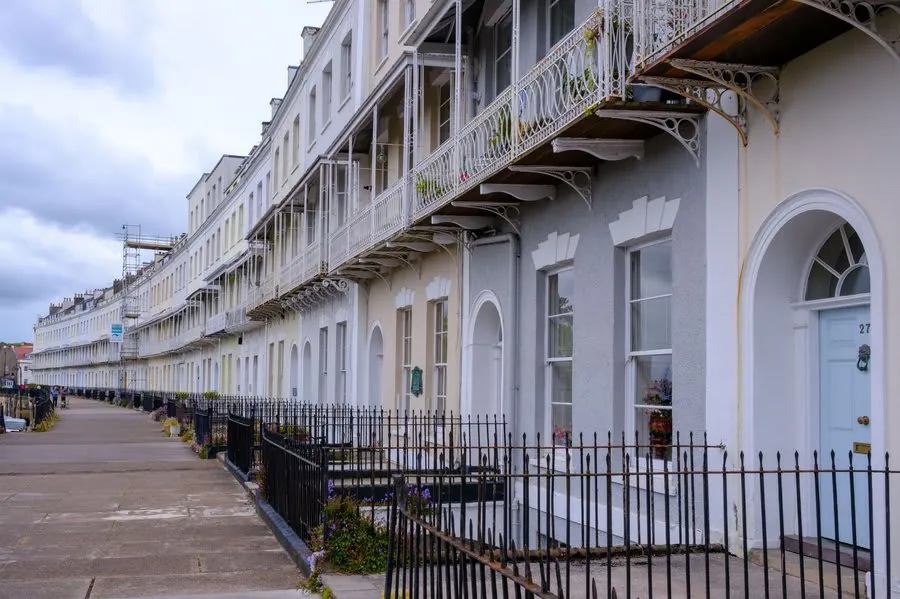
Victorian and Edwardian terraces are the clearest case. The housing stock in Heavitree, St Thomas, Pennsylvania, and St Leonard’s was built with flush-hung timber casements - single-glazed, divided by slim glazing bars, sitting flat within the frame opening. What replaced them, mostly between 1980 and 2005, were standard uPVC casements with projecting sashes, chunky frame sections, and no glazing bars. The visual step backward was significant, even if the thermal step forward was real.
Flush casements recover the visual character without requiring timber maintenance or single glazing. A flush casement in a slim uPVC or aluminium profile, with decorative or structural glazing bars, sits much closer to the original look than anything the standard casement market offers. On a street where several neighbours have done this, the improvement to the terrace as a whole is visible.
Conservation area properties are the other main case. Many properties in St Leonard’s, Pennsylvania, Topsham, and near the Cathedral have front elevations where Exeter City Council’s planning guidance effectively rules out standard casements - the profile is too heavy and the sash projection too foreign to the original character. Flush casements, particularly in slim aluminium profiles with appropriate glazing bar arrangements, have been approved on many of these properties where standard casements would be refused.
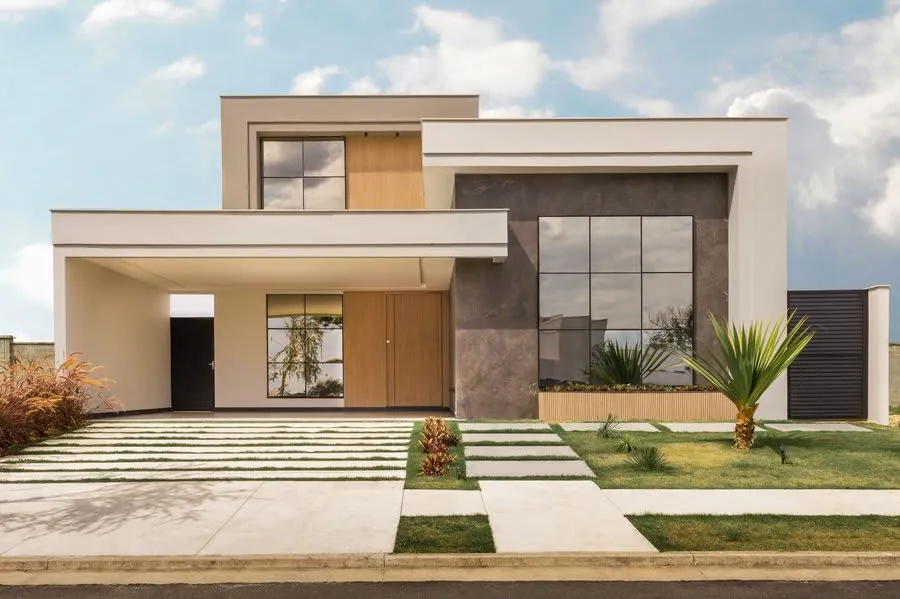
More contemporary properties - extensions, modern builds, refurbished post-war housing - benefit from flush casements for different reasons. On a flat-render or cladded extension where the design intent is minimal and planar, a standard casement’s protruding sash creates a visible inconsistency with the architectural logic. Flush casements keep the envelope clean.
Flush Casements In uPVC vs Aluminium
Both materials work. The choice follows the same logic as for any casement window, but with flush casements the profile dimensions matter even more because they’re so visible.
uPVC flush casements are available from several mainstream manufacturers - Deceuninck’s 2800 system and VEKA’s flush casement profiles are among the most commonly specified in Exeter. Modern uPVC flush casements have slimmer profiles than the heavy early products: some achieve frame face widths of 60-70mm, compared with 80-90mm on older standard casements. At this specification they’re genuinely hard to distinguish from slim aluminium at street level.
The limitation of uPVC is that the profiles are never as slim as aluminium. For conservation area applications where the planning officer is measuring visible frame sections against the character of the original joinery, uPVC is sometimes the weaker case. It’s worth asking Exeter City Council informally whether uPVC or aluminium is preferred for the specific conservation area and property type before ordering.
Aluminium flush casements achieve frame face widths of 35-55mm - notably slimmer than uPVC - and carry the authority of the material in conservation area planning applications. They’re the standard specification on high-end refurbishments in St Leonard’s and Pennsylvania where authenticity of character matters. The cost premium over uPVC is significant: aluminium flush casements in a thermally broken profile typically run 60-80% more per window.
On a straightforward domestic replacement outside a conservation area - a 1930s Exeter semi replacing ageing standard casements for appearance and thermal performance reasons - uPVC flush casements give the visual benefit at a lower cost.
What The Conservation Area Rules Mean In Practice
Exeter has more conservation area coverage than most Devon towns of comparable size. The Cathedral and City Centre, St Leonard’s, Pennsylvania, Topsham, and parts of Heavitree all carry designation that places the front elevation under planning consideration when windows are changed.
For conservation area properties, the material and profile dimensions of a replacement window can require conservation area consent. The test is whether the replacement changes the appearance of the building in a way that harms the character of the conservation area. Standard casements fail this test on many Victorian front elevations because the projecting sash and heavy frame sections are visually different from the original. Flush casements are in a much stronger position because the visual result more closely matches what was there.
The glazing bar arrangement matters too. Original timber windows on Exeter’s Victorian stock typically had glazing bars dividing the sash into two or four lights. A flush casement with no glazing bars in an otherwise subdivided street reads as changed character even if the sash projection isn’t an issue. The right specification matches or approximates the original subdivision pattern. Some conservation area applications specify dummy glazing bars (applied to the glass face) rather than structural bars, which is generally accepted where the visual effect is consistent.
Listed buildings need listed building consent regardless of whether they’re in a conservation area. There are significant numbers of listed properties in central Exeter and Topsham. On a listed building, the specification is usually more tightly controlled and often requires a pre-application discussion with the council’s conservation officer rather than just planning team guidance.
Where Flush Casements Can Cause Problems
The flush fit requires tighter manufacturing tolerances than a standard casement. The sash must close squarely and precisely into the frame for the seals to compress evenly and the weather performance to match a standard casement. A distorted frame, a slightly out-of-square opening, or a poorly adjusted sash can cause draught gaps or seal failure at points where a standard casement’s overlap would compensate. In Exeter’s older housing stock - particularly solid-walled Victorian properties where the openings aren’t always perfectly square - this is worth mentioning to the installer during the site visit.
Weather performance in the tilt position, for windows that have a tilt vent function, is slightly reduced compared with standard casements because the flush arrangement can limit how far a tilt vent opens without exposing the internal seal. On a well-specified product this is managed by the manufacturer, but it’s worth confirming if overnight tilt ventilation is important.
Flush casements cost more. On a budget-constrained whole-house replacement, the premium may not be justified on rear or side elevations where the visual case is weaker. A common approach on Exeter Victorian terraces is flush casements on the front elevation and standard casements at the rear - the cost savings on the non-visible elevation offset some of the premium on the visible one.
Costs And What To Expect From A Quote
Flush casements in uPVC run roughly 10-20% more than standard casements of the same specification. For a standard bedroom window (900mm x 1050mm) with A-rated double glazing in a stock colour, expect £450-£750 fitted. A full front elevation of four to six flush casement windows in uPVC on a Victorian Exeter terrace is typically £2,000-£4,000 depending on sizes and whether glazing bars are included.
Aluminium flush casements in a thermally broken profile are considerably more: £750-£1,100 per window for similar sizes, and £3,500-£6,500 for a typical Victorian terrace front elevation.
A quote for flush casements should specify the profile system by name - Deceuninck 2800, VEKA flush, or equivalent. The same product category spans a wide quality range, and without a named profile you can’t verify what’s being installed.
Conservation area applications, where needed, are separate from the window cost. A pre-application advice request to Exeter City Council costs £50-£150 and gives a written view on whether the specification is acceptable before you commit to the order.
Our window installation team fits flush casements in both uPVC and aluminium across Exeter, including on conservation area properties where we’ve navigated the planning process on similar jobs previously. Get in touch to arrange a site visit.
Frequently Asked Questions
What is a flush casement window?
A flush casement window sits flush with the outer face of the outer frame when closed, rather than protruding slightly as a standard casement does. On a standard casement, the opening sash is mounted on the outside face of the fixed frame and projects outward by 15-25mm when closed. On a flush casement, the sash sits within the frame depth so both faces are flat. The visible difference is subtle but significant: flush casements have cleaner, more minimal sight lines and no shadow line around the sash when closed. They're more common in continental Europe and were standard on many original timber casements in pre-war British housing, which is part of why they work so well on period properties.
How much do flush casement windows cost in Exeter?
Flush casement windows typically cost 10-20% more than standard casements at equivalent specification. For a standard replacement flush casement in uPVC (900mm x 1050mm, A-rated double glazing), expect to pay £450-£750 fitted in Exeter. In aluminium with a thermally broken profile, the same window runs £750-£1,100. On a full house replacement, the premium over standard casements is typically £600-£1,500 on the project depending on window count and material. The cost premium reflects the tighter manufacturing tolerances required for the flush fit - the sash must close precisely into the frame rather than overlapping it.
Are flush casement windows good for conservation areas in Exeter?
They can be excellent for conservation areas in Exeter, but it depends on the specific conservation area and what the planning authority expects. Flush casements more closely resemble original timber casements than standard casements do, because pre-war timber windows were flush by nature - the sash was hung within the frame, not over it. Exeter City Council has accepted flush casement uPVC and aluminium windows on conservation area properties where the profile dimensions and glazing bar arrangements match the original character. Slim-line aluminium flush casements in particular can satisfy conservation area requirements that standard casements would fail. Always get a pre-application opinion from Exeter City Council's planning team before ordering for a conservation area front elevation.
Do flush casement windows suit Exeter's Victorian terraces?
Yes - they're often the best modern window option for Victorian and Edwardian terraces in Exeter. The original timber windows on those properties were flush-hung casements or sash windows; the standard protruding casements that replaced many of them from the 1980s onward look visually wrong in a way that's hard to articulate but immediately noticeable. A flush casement in a slim uPVC or aluminium profile with appropriate glazing bars closely references the original look. Where conservation area consent is needed for front elevation replacement, a well-specified flush casement has a much better chance of approval than a standard casement. The rear elevation of Victorian terraces is generally unrestricted, making flush casements a good aesthetic choice there too.