
3 July 2026
How Long Does Double Glazing Last In Exeter?
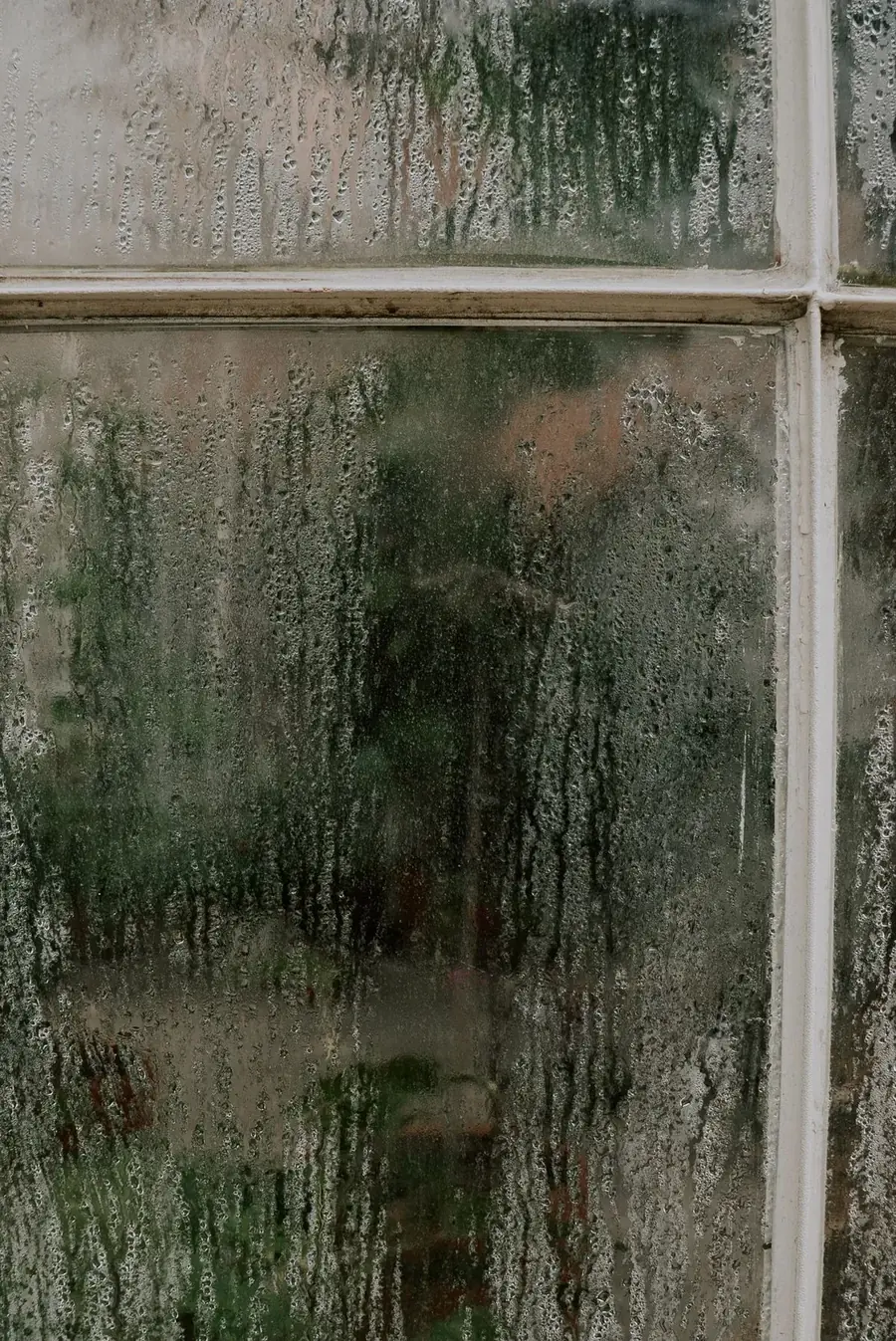
Most double glazing lasts between 20 and 25 years before the sealed units start to fail. For a lot of Exeter properties, that window is now firmly in the past - homes on the city’s post-war estates in Pinhoe, Whipton and Exwick that had double glazing fitted in the 1990s are now 30-plus years in, and many of those original units have been quietly underperforming for years. Devon’s climate doesn’t help. Exeter gets around 800mm of rainfall annually - about 15-20% more than the UK average - and properties on exposed hillside positions or near the coast face additional stress that pushes the typical failure point earlier.
What Actually Fails First
The weakest link in any double-glazed window is the sealed unit - the glass itself, rather than the frame. A double-glazed unit consists of two panes of glass separated by a spacer bar, with the space between them filled with an insulating gas (usually argon) and hermetically sealed around the edge. That edge seal is what gives out first.
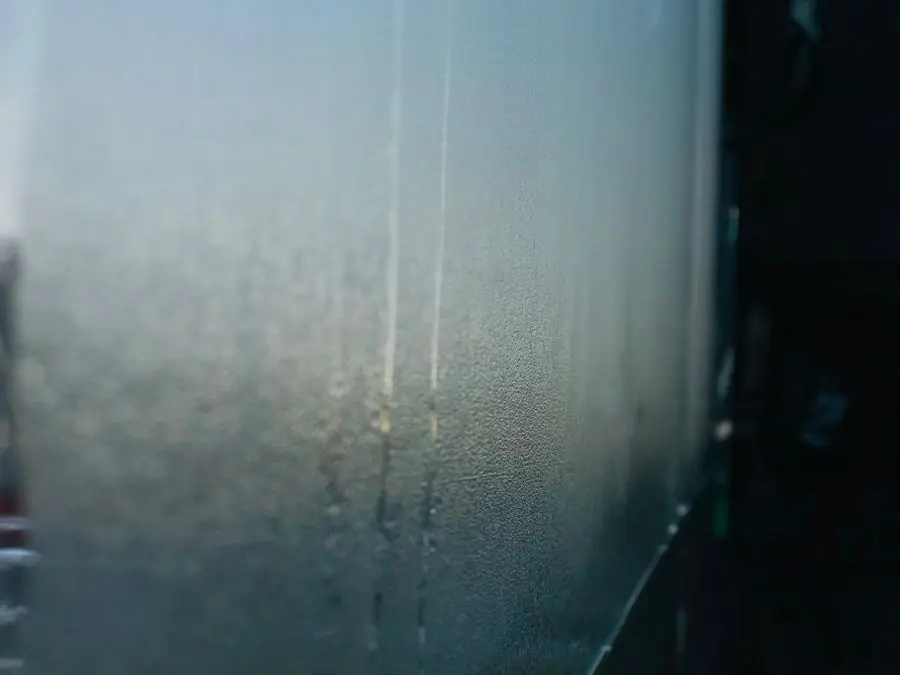
When the seal degrades, moisture works in and the insulating gas escapes. The result is the characteristic misting or condensation between the panes - trapped inside the unit where you can’t wipe it away. At that point the window’s thermal performance has dropped significantly and the unit needs replacing. The frame itself often has more life left, which is why replacing just the sealed glass unit is worth considering when the frames are in good structural condition.
Our window repairs service covers both options - glass unit replacement and full window replacement - and we’ll advise at the survey which approach makes more sense.
How Devon’s Climate Affects Lifespan
The 20-25 year figure is a rough industry standard based on typical English conditions. Exeter’s climate nudges that figure downward for some properties.
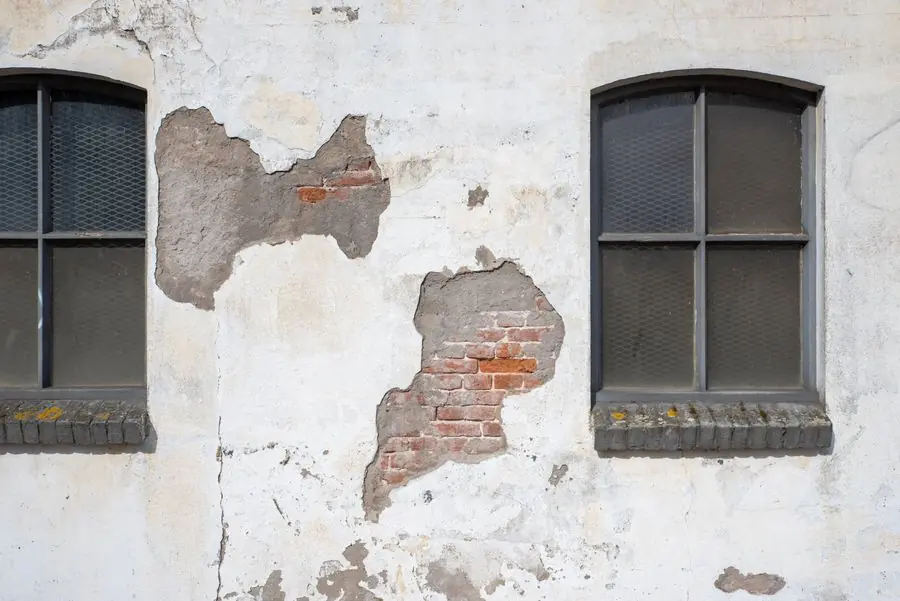
The sustained moisture in Devon’s weather gets into the edge seals of double-glazed units more aggressively than in drier parts of England. Windows on south and west-facing elevations - which take the brunt of the prevailing south-westerly weather - show deterioration faster than sheltered north or east-facing windows on the same property. Properties on the higher ground around the edges of Exeter, where exposure is greater, tend to see earlier failure than the sheltered streets closer to the city centre.
Timber frames are the most vulnerable. Moisture gets into the timber around the frame and causes the frame itself to move, which puts stress on the seals of the glazed units. uPVC and aluminium frames don’t absorb moisture the same way, which is why they tend to have longer effective lifespans even when the glazing units inside them eventually fail.
The Coastal Penalty
For Exeter homeowners who also own - or are buying - property in Exmouth, Dawlish or other East Devon coastal towns, the picture is notably different. Salt air is significantly more aggressive on edge seals than the general wet weather that affects inland Exeter properties.
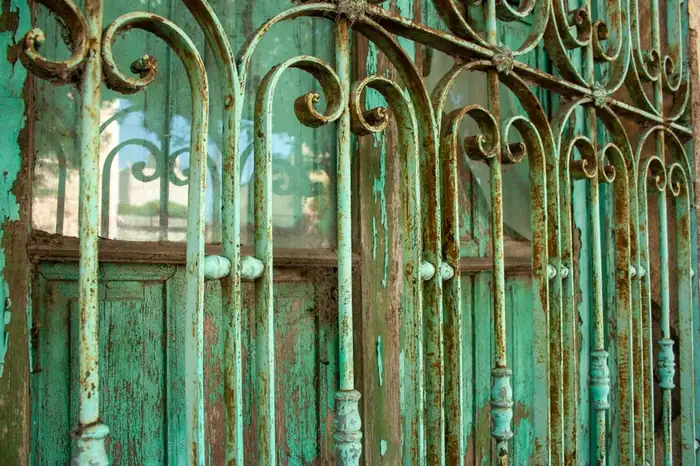
Salt particles carried on the wind work into the rubber gaskets and edge seals of sealed units. Combined with the higher wind loading that seafront and near-coast properties experience year-round, it puts the effective lifespan of standard double glazing closer to 12-15 years. Properties on Exmouth’s seafront streets regularly need seal replacements within that window, rather than the 20-plus years you’d expect inland. It’s worth factoring into any buying decision if you’re considering a coastal property - the windows may look fine now but could be due within a few years.
What A Service Life Actually Looks Like
In the first ten years, a properly installed window should give you no trouble at all. Issues that show up early are almost always installation defects or physical damage, both of which should sit within guarantee.
From ten to fifteen years, most windows are still within normal working life. Any draughts appearing in this period are usually a weatherseal or hinge issue rather than the glazing unit itself failing - worth having checked, but unlikely to mean full replacement.
Fifteen to twenty years is where Exeter properties start to diverge. A sheltered, well-installed window on a north-facing elevation may still be fine. The same window on a south or west-facing wall that takes the prevailing weather, or any window in a coastal position, will often show seal failure in this range. That misting between the panes is the tell.
Twenty-five years is roughly the design limit for most sealed units under normal conditions - some will still be performing, others will have been failing for a while. If you’re in a property where you don’t know when the windows were last replaced, and they’re visibly old, this is probably the bracket to assume.
Beyond that, expect some proportion of units to be failed or failing. The frames often have more life left than the glass inside them.
Checking Your Windows Before A Survey Or Sale
If you’re not sure of the state of your double glazing, there are a few quick checks worth doing before calling anyone out.
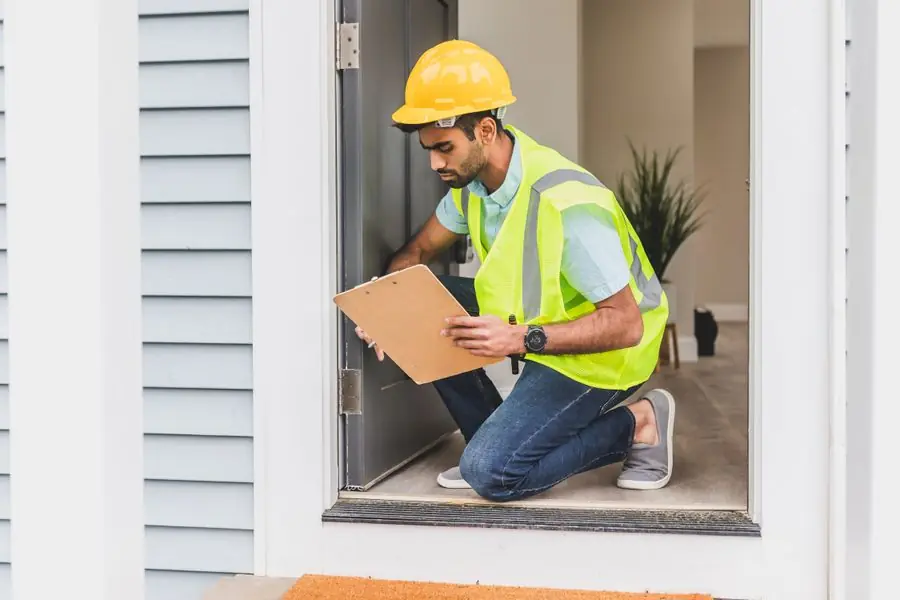 On a cold morning, hold your hand close to the glass - not the frame edge, the glass itself. If you can feel cold radiating off it, the sealed unit has lost its insulating gas. Visible misting between the panes confirms it. Also worth checking: the black rubber seal running around the perimeter of each unit. If it’s dark, brittle, or pulling away from the glass, the seal is deteriorating even before you can see moisture inside.
Draughts at the edge of the frame are a separate issue from unit failure - they usually point to worn weatherseals or hardware that’s no longer pulling the sash tight. These can often be repaired without replacing the window. The Energy Saving Trust’s guidance on windows and doors covers the energy performance implications of different window ages in more detail.
When To Replace vs When To Repair
Age alone doesn’t settle it. The frame condition matters as much as the glazing units.
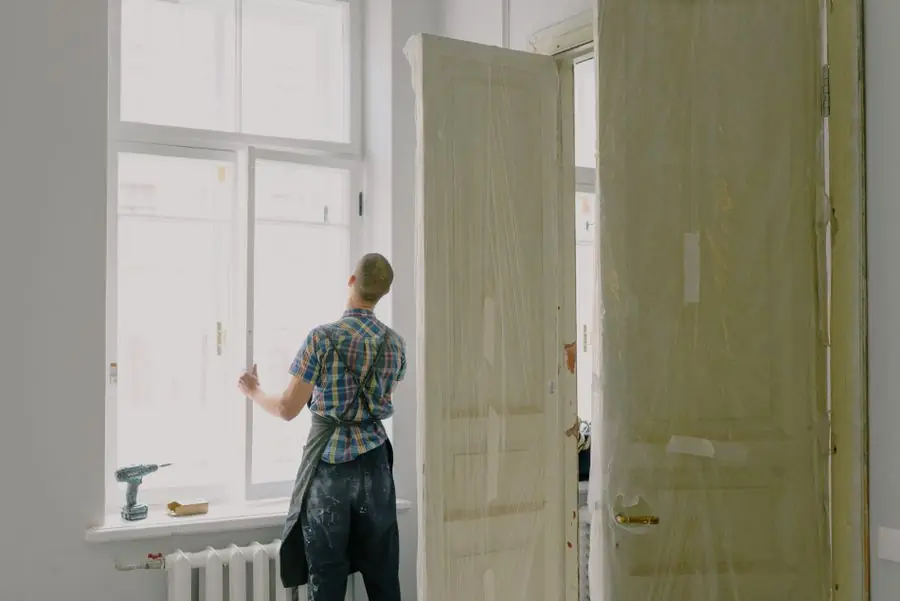
If the frames are structurally sound - not warped, not rotten (for timber), not cracked at the corner welds (for uPVC) - and the only problem is a failed sealed unit, replacing just the glass is almost always the right call. It costs considerably less than a full frame replacement, causes less disruption, and looks identical from outside.
If the frames are also past their best - timber showing rot, uPVC with cracked or discoloured profiles, aluminium where the coating has failed - full replacement makes more sense. Running repairs on a frame that’s deteriorating structurally is a false economy, since you’ll be spending money on a window that still needs replacing within a few years.
A free survey will give you a clear picture of which windows need what. We’ll look at each one individually - there’s rarely a situation where every window on a property needs the same thing. The double glazing cost guide covers typical price ranges for both unit replacement and full window replacement across different property types.
Any replacement work requires FENSA certification - make sure any installer you use is registered with the scheme before committing.
Book a free survey to check the state of your Exeter windows
Frequently Asked Questions
How long does double glazing last in Exeter?
Most double glazing lasts 20-25 years before the sealed units start to fail. In Exeter's wetter climate - around 800mm of rainfall annually against the UK average of 680mm - seals on exposed elevations often show signs of failure closer to 15-20 years. Coastal properties in Exmouth or Dawlish typically see seal failure at 12-15 years due to salt air. The frames themselves often outlast the glass units and can sometimes be reused when only the sealed unit has failed.
What is the first sign that double glazing is failing?
Misting or condensation between the two panes of glass - inside the sealed unit rather than on the surface - is the most reliable sign. Once you can see moisture trapped between the panes, the hermetic seal has broken down and the insulating gas has escaped. The window's thermal performance will have dropped noticeably at that point. Draughts around the edge of the sash are an earlier warning sign but don't necessarily mean the unit itself has failed.
Can you repair failed double glazing or does it need replacing?
The sealed glass unit cannot be repaired once the seal has failed - it needs replacing. What can sometimes be salvaged is the frame. If the frame is structurally sound and not warped or rotten, we can replace just the glass unit inside it, which is significantly cheaper than a full frame-and-glass replacement. We'll advise at the survey which approach makes more sense for your specific windows.
Does the age of double glazing affect house prices in Exeter?
Yes, in a few ways. Failed double glazing - visibly misted units, draughty frames - is flagged by surveyors and gives buyers grounds to negotiate on price. Older but functional double glazing is less of an issue during sale, though an EPC assessor will note its age and lower energy efficiency rating. Replacing failed units before putting a property on the market removes a common survey objection.
How do I know if my double glazing needs replacing or just repairing?
Misted units need the sealed unit replacing. Draughts from the frame edges are often a weatherseal or hinge issue, which can be repaired cheaply without replacing the window. Stiff or failing mechanisms - handles and locking points - can usually be replaced as individual components. A survey will give a clear picture of what needs doing and what can be left.