
24 August 2026
New Windows In An Exeter Rental: What Landlords Should Budget Before The 2030 EPC Deadline
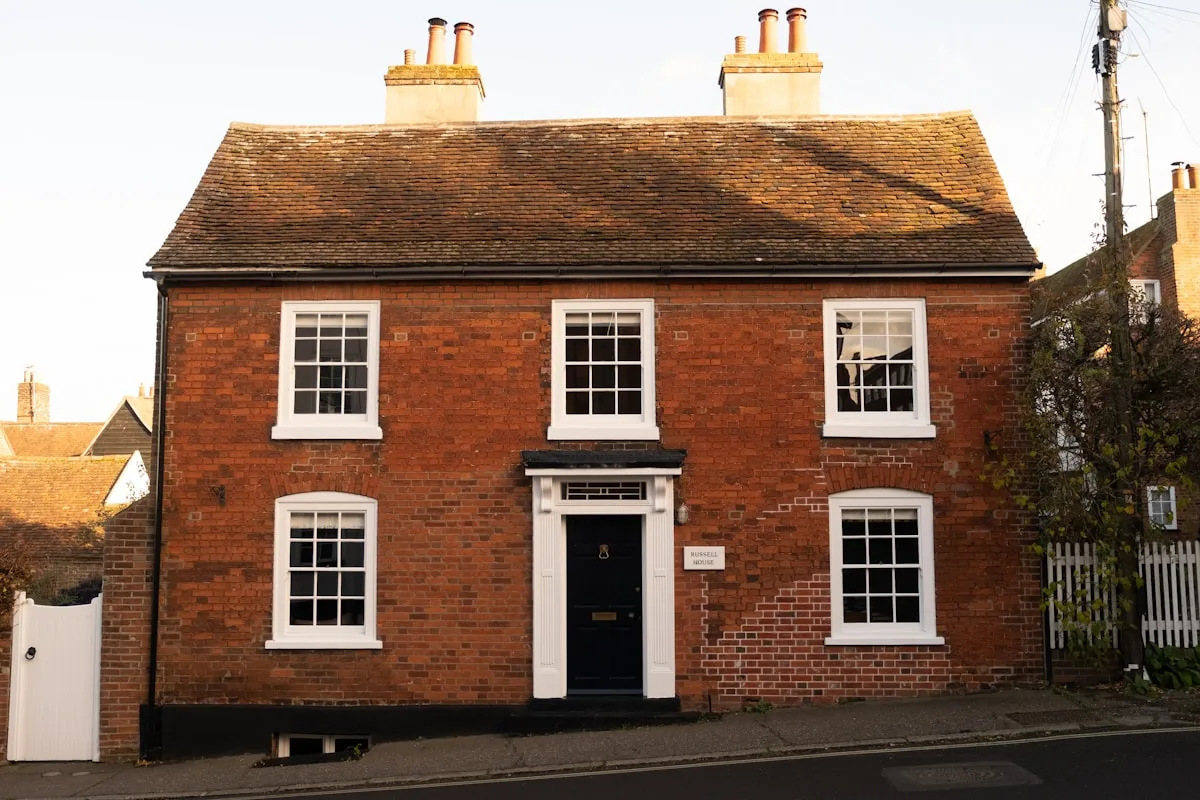
There is a date now, and it is not far away. Private landlords in England will have to bring every let property up to EPC C by 1 October 2030, with the regulations expected to be laid in 2027, and the cost cap for getting there has been set at £10,000 per property. Exeter has more skin in this than most cities its size: privately rented homes went from 21% of households in 2011 to 24.9% by the 2021 census, which is around one in four properties in the city, and a large slice of that is Victorian and Edwardian stock let to a student population of roughly 30,000. Windows are almost never the first thing a landlord should spend that £10,000 on. They are, however, the thing a lot of Exeter properties end up needing once the cheap measures have run out.
Where The Rules Actually Stand In 2026
Right now the live standard is the one that has applied since April 2020: you cannot let a property rated below E unless a valid exemption is registered, and the current cap on what you have to spend chasing that is £3,500 including VAT. Penalties top out at £5,000 per property. Most Exeter landlords cleared that bar years ago and have not thought about MEES since.
The change is that E becomes C, the cap nearly triples, and the enforcement teeth get considerably sharper - local authorities will be able to issue fines up to £30,000 per property per breach. The government set out the detail in its response on the energy performance of privately rented homes, and the compliance date for all tenancies is 1 October 2030.
One detail is worth flagging early because it changes how you plan. EPCs themselves are being reworked around new metrics covering fabric performance, smart readiness and the heating system. A property assessed under the old methodology and a property assessed under the new one will not necessarily land in the same place, so a 2019 certificate showing a comfortable D is weaker evidence than it looks. If you own something borderline, a fresh assessment tells you more than an old one.
Why Windows Are Rarely The Right First Pound

This will sound odd coming from a firm that fits windows, but a landlord who spends their whole budget on glazing before touching the loft has usually spent it badly. Insulation and heating controls move an EPC further per pound than replacement windows do, because the assessment methodology weighs them heavily and because the underlying physics is on their side - a cold roof loses far more heat than a set of tired but functional double glazed units.
The order that tends to work is loft first, then cavity walls where they exist, then heating controls and hot water, then glazing. That is also roughly the order of cost, which is convenient. It means you can often see how far the cheap measures take you before committing to the expensive one.
Where that logic breaks down is in properties with nothing left to do. Solid-walled terraces in Newtown, St Thomas and the streets around Mount Pleasant frequently have the loft done, no cavity to fill, and internal wall insulation that would cost more than the cap and lose a room’s width in the process. Those properties reach a ceiling, and glazing is what is left. Our double glazing service sees a steady flow of exactly this: landlords who have done everything sensible and are now looking at the last measure available.
Reading The £10,000 Cap Properly

The cap is not a target and it is not a grant. It is a stopping point. Spend up to £10,000 on relevant improvements, and if the property still does not reach C you can register an exemption that lasts ten years. The government’s impact assessment estimates the average property will need about £5,400 to comply, which is the figure being quoted in most coverage, and it is the least useful number in the whole package for anyone with a specific house in front of them.
Exeter’s rental stock splits far too widely for an average to mean anything. A 1970s ex-council semi in Beacon Heath or Whipton with cavity walls, a fillable loft and a modern boiler might reach C for a few hundred pounds. A three-storey Victorian terrace off Pennsylvania Road, converted to a five-bedroom let, with solid walls, high ceilings, single glazed sashes at the front and a rear extension that was never insulated, can absorb the full ten grand and still fall short.
The practical move is to get each property assessed on its own terms now rather than in 2029, because the assessment tells you which category it falls into. Properties that will comply cheaply need no urgency. Properties that will hit the cap need a plan, and possibly a decision about whether they stay in the portfolio at all.
The Exeter Complication: Student Lets And Article 4

Exeter’s rental market is shaped by the university in a way that affects window decisions directly. The city council operates an Article 4 direction removing permitted development rights for the change of use to a small HMO across the area around the main campus and the city centre, so converting a house to a shared let there needs planning permission. Some streets in the affected area are close to entirely student-occupied, and the council has consulted on extending the direction further into Pennsylvania, Newtown and Heavitree.
For window planning, three things follow from that. First, these are older, larger properties with more openings than an average family home, so the per-property glazing bill runs high - six to ten windows plus a front door is common, not four. Second, larger HMOs come with licensing, and licence conditions cover matters like escape windows, ventilation and the general condition of the property, so a window replacement in a licensed house has specifications to meet beyond the energy rating. The government’s guidance on HMO licensing sets out where a licence is mandatory and where councils run their own additional schemes.
Third, escape windows are not optional extras. In an HMO, first-floor bedrooms often rely on an openable escape route, and the replacement has to keep the same clear opening dimensions and the same style of opener. Fitting a top-hung unit where a side-hung escape casement used to be creates a compliance problem that will surface at the next inspection, not on the day.
Getting The Ventilation Right In A Shared House

Sealing up a house full of people has consequences. A five-bedroom student let in Exeter produces a remarkable amount of moisture - showers, drying washing indoors through a wet Devon winter, cooking, and five people breathing overnight in rooms with the doors shut. Old windows leaked that moisture away without anyone noticing. New ones do not.
This is the single most common way a well-intentioned window upgrade turns into a damp complaint three months later. It is also the most avoidable. Replacement windows in England now come with trickle vents in the great majority of cases, and the temptation to specify them out because a landlord thinks tenants will complain about draughts is a false economy. Leave them in, brief the tenants on using them, and check the extract fans in the kitchen and bathrooms are actually working at the same time.
If you want the detail on how the ventilation requirement applies to replacement windows, we covered it in our guide to trickle vents and the Part F rules. For a rental it matters twice over, because damp and mould in let property is now firmly on the enforcement radar and a landlord who removed the ventilation is in a poor position to argue about it.
Timing The Work Around Tenancies
An empty property is worth a surprising amount to a window job. Nobody has to move furniture, nobody is working from home next to a hammer drill, and the installers can run through a whole house in a day or two rather than negotiating room by room.
In Exeter that pushes almost everything towards the same few weeks. Student tenancies in the city overwhelmingly end in late June or early July with the next group moving in during September, which gives a genuine void of eight to ten weeks - and every landlord in Pennsylvania, St James and Mount Pleasant knows it. Installer diaries for that period fill up in spring. If you want July work, ask in March.
Family lets do not follow the same rhythm, so those can go in during the quieter months. There is also a weather argument for avoiding deep winter in Devon: openings are exposed while frames come out, and a run of the wet, gusty weather that comes up the Exe estuary makes for slower, colder work and unhappy tenants.
Paperwork That Becomes Your Problem Later

Three documents matter and all three go missing more often in rentals than in owner-occupied homes, because they arrive somewhere other than where they will eventually be needed.
The building regulations certificate comes first. Replacement windows are controlled work, and compliance is either self-certified by a registered installer or notified to Exeter City Council’s building control team. Whichever route, the certificate belongs in the property file.
Then the new EPC. There is no point spending several thousand pounds improving a property and leaving the old certificate lodged, because the rating on record is the one that counts for compliance. Get a fresh assessment once the work is complete and the improvement is documented.
Finally, the guarantee paperwork, including any insurance-backed guarantee. Landlords sell properties, transfer them between company structures and change managing agents far more often than homeowners move, and a guarantee that cannot be evidenced is effectively a guarantee that does not exist. The official MEES guidance for landlords also sets out how exemptions are registered, which is the other piece of paperwork to file properly if a property does hit the cap.
What To Ask For When You’re Quoting A Portfolio

Quoting five houses is not the same conversation as quoting one, and the questions that get you a useful answer are different.
Ask for the quote to be broken down per property and per window rather than as a single portfolio figure, because you will almost certainly want to phase the work across two or three tax years. Ask what the installer’s lead time looks like in June and July specifically, since that is when you will want them. Ask whether the U-value being quoted is the whole-window figure or the centre-pane figure, because only the first one is what an assessor will use. And ask what happens to the escape windows in any licensed property, in writing.
Be blunt about the standard you want, too. There is a real difference between glazing that just clears the current building regulations and glazing specified to help a stubborn property over the line to C, and the price gap between them is smaller than most landlords expect. If you are spending the money once before 2030, spend it on the specification that actually moves the rating.
If you are working out where your properties sit and what the glazing element would cost, our window installation team can survey multiple addresses in one visit and price them individually.
Get a free quote for your Exeter rental properties
Frequently Asked Questions
Do Exeter landlords legally have to replace windows to meet EPC C?
No. The standard is a rating, not a shopping list. Nothing in the regulations says windows specifically, so if a property reaches EPC C through loft insulation, cavity fill and a better heating control setup, the windows can stay as they are. Where windows do become unavoidable is in the properties that are already close but stuck - a Heavitree terrace sitting on a high D with the loft done and solid walls that cannot be treated cheaply will often only move on the glazing. The other trigger is condition rather than rating. If frames are rotten, seals have gone or a tenant is reporting damp around the reveals, that is a repair obligation under the tenancy and the fitness of the home, and the EPC is a separate question you happen to be able to answer at the same time.
How much will an Exeter landlord have to spend to reach EPC C?
The government has set a cost cap of £10,000 per property, and its own impact assessment puts the average spend needed at around £5,400. Those two numbers do different jobs. The £5,400 is what a typical property is expected to need across the whole English stock, and the £10,000 is the point at which you can stop, register an exemption and let the property as it is for the next ten years. For Exeter specifically, the split matters because a 1970s Whipton semi with cavity walls and a loft hatch might get there for well under a thousand pounds, while a solid-walled Victorian terrace off Blackboy Road can eat the full cap without ever hitting C. Price the portfolio property by property before assuming an average applies to any of them.
Can I fit new windows in an Exeter rental while tenants are living there?
Yes, and most window jobs in occupied rentals go through without difficulty, but it changes the logistics. Tenants have a right to quiet enjoyment, so you need their agreement on dates rather than simply instructing an installer and sending notice. Realistically you want rooms cleared to about a metre from the window, someone home or a signed access arrangement, and a run of dry weather because openings are exposed while frames are swapped. In Exeter's student sector the calculation is different again. Most joint tenancies in Pennsylvania and St James run to late June or early July, so the void between one group leaving and the next arriving is the natural window for the work, and it is also when every other landlord in the city is booking.
Does replacing windows in a rental need a FENSA certificate?
It needs proof of building regulations compliance, and for most installations that proof is a FENSA or similar competent person scheme certificate issued after the work. Keep it with the property file rather than your own, because it will be asked for twice: once by a buyer's solicitor if you ever sell, and once by the council if the property is licensed and an officer is checking what has been done to it. Landlords with several properties in Exeter tend to lose these more often than owner-occupiers do, simply because the paperwork arrives at a managing agent or an old correspondence address. Ask your installer to email a PDF copy as well as posting the certificate, and file it under the address.