
14 August 2026
Replacing Windows In A Listed Building In Exeter: What You Can And Can't Do
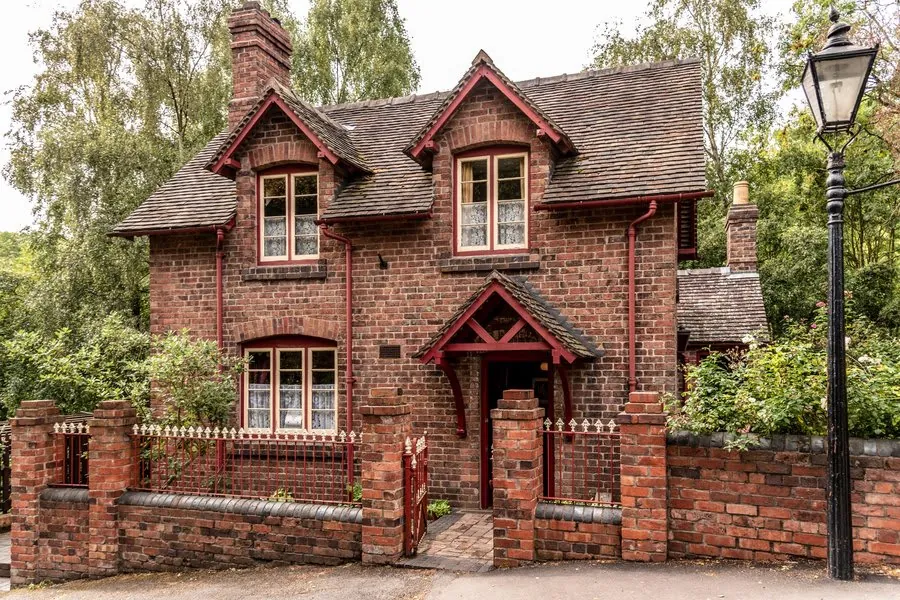
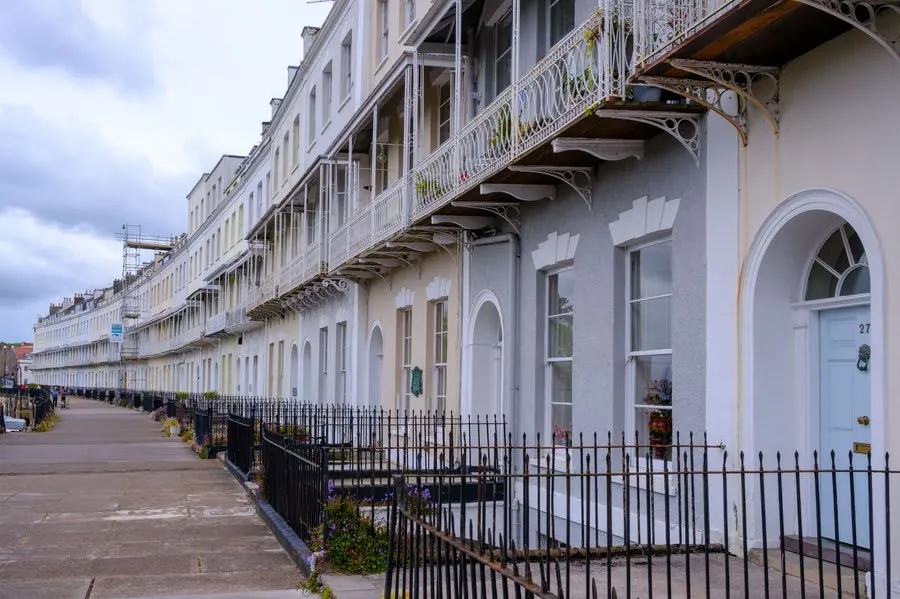
Exeter has one of the higher concentrations of listed buildings in the South West. The city centre, Cathedral Close, and much of Topsham are dense with Grade I and Grade II listed properties. The Regency terraces of Southernhay, the medieval buildings around the Cathedral, the Georgian merchants’ houses of Topsham - all listed, all subject to listed building consent for any change to their fabric. Windows are one of the most common subjects of listed building applications in Exeter, and one of the most common sources of enforcement action when owners don’t apply.
What Listed Building Consent Actually Means For Windows
Listed building consent is needed for any works that affect the character of a listed building - and windows are almost always considered part of that character. This applies whether the windows are on the front, the side, or the rear. It applies to internal windows as well as external ones on a Grade I listed property. It applies to repairs that change the material or profile of the original window, not just replacements.
The consent is separate from planning permission. A listed building can need both - planning permission for a change that requires it (like an extension) and listed building consent for the impact on the building’s fabric. But listed building consent is needed for window replacement whether or not planning permission is required, and the application goes to Exeter City Council’s conservation team rather than the standard planning department.
The application is free. Exeter City Council doesn’t charge for listed building consent applications. What it costs is the preparation - drawings, specification, and usually a supporting heritage statement for anything other than straightforward like-for-like repairs in the same material. A basic application for a like-for-like timber sash repair in matched timber can be straightforward. An application for double-glazed replacements on a central Exeter Georgian terrace needs more justification and is less likely to sail through.
The timeline is typically eight weeks from valid application to decision, which is the same statutory period as a standard planning application. Pre-application advice is available from Exeter City Council at a modest cost and is well worth using for anything that isn’t a clear like-for-like repair - it tells you whether the proposal is likely to succeed before you’ve paid for drawings and specifications.
What Exeter’s Conservation Officers Typically Accept And Refuse
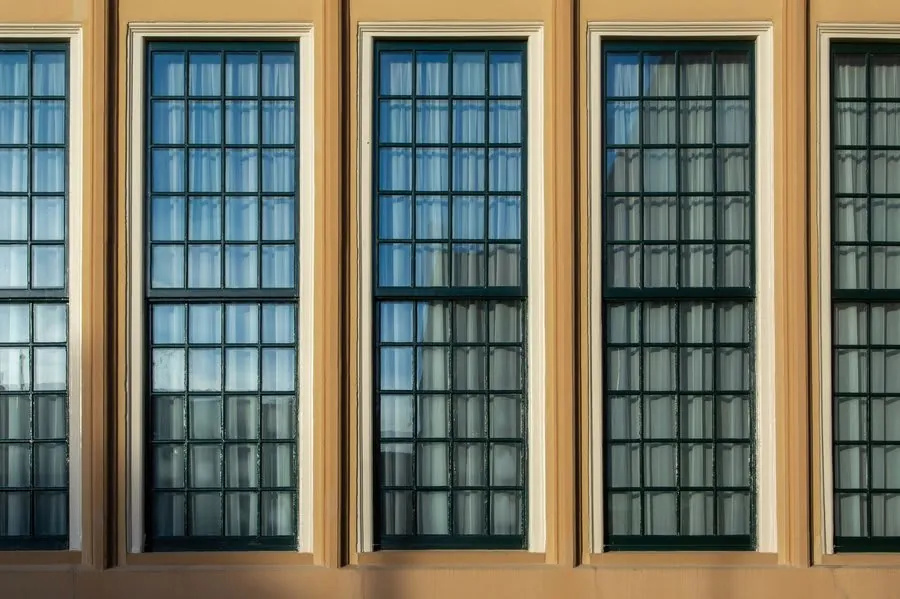
The general principle is that the replacement should match the original in all significant respects - material, profile dimensions, glazing bar arrangement, opening configuration, and overall character. What this means in practice varies by grade of listing and by what survives on the building.
On Grade I listed properties in Exeter - the Cathedral, Southernhay East and West, some of the older city centre buildings, significant properties in Topsham - the standard is the highest. Single-glazed timber sashes matching the original profile are typically what’s required. Double glazing is usually only acceptable where very slim sealed units (6-10mm thick) in a timber frame can replicate the original glazing bar proportions precisely. Most conservation officers won’t accept this unless the window manufacturer can demonstrate that the profile matches.
Grade II listed properties are more common and allow somewhat more flexibility. Slim double-glazed units in timber frames are often accepted on rear and less prominent elevations. Slim aluminium frames replicating the original proportions have been approved on some Exeter Grade II properties where timber wasn’t practicable. Standard uPVC casements are almost never accepted on listed buildings in Exeter - the profile is too heavy, the corners are too square, and the material doesn’t read as authentic even from a distance.
Secondary glazing is the route that most listed Exeter properties end up on when the primary window can’t be replaced with double glazing. It’s accepted almost universally because it’s reversible, doesn’t touch the original fabric, and can deliver a significant thermal and acoustic improvement. Modern secondary glazing in slim aluminium or timber frames, made to measure and fitted to the existing window reveals, is the standard specification for Exeter listed buildings.
What almost always gets refused: standard uPVC in any profile, aluminium composite systems that don’t match original proportions, changes to the glazing bar arrangement without strong justification, and the removal of original windows where repair is feasible.
Repair vs Replacement On Exeter Listed Buildings

The starting presumption on a listed building is repair, not replacement. Conservation policy at national and local level expects that original fabric is retained where it can be made serviceable. This shapes how applications are assessed: a proposal to replace a window that could be repaired needs stronger justification than a proposal to replace a window that’s genuinely beyond economic repair.
In practice, many original timber sash and casement windows on Exeter listed properties are in poor condition but not beyond repair. Lead paint, draught, and poor thermal performance are the usual complaints. None of these are evidence that the window needs replacing. They’re evidence that it needs repairing, draught-proofing, and possibly secondary glazing.
Timber sash repair on a listed Exeter property typically involves: removing the sash from its frame, stripping and retreating the joints, replacing any spongy or rotten sections with new timber scarfed in and properly primed, rebalancing the sash with new cords and weights if needed, and returning it properly hung and adjusted. Done well, a repaired original sash will last another 50 years. Done badly - rot cut back but not excised, new timber not primed before glazing - and you’ll be repeating the exercise in ten.
The case for replacement is strongest where the frame itself has failed - where the sill is rotten to the core and the structural members around the opening have deteriorated. Frames in that condition are beyond repair, and a like-for-like replacement in matched timber is the appropriate route and usually approved.
The question the conservation officer is asking when reviewing an application is: has the applicant demonstrated that repair isn’t viable? A clear condition report from a specialist, showing the extent of decay and explaining why repair isn’t an economic option, makes this case much better than a general assertion that the windows are “old and draughty.”
The Double Glazing Question On Exeter Listed Buildings
The idea that double glazing is automatically refused on listed buildings is outdated. The question is whether a double-glazed unit can be specified that genuinely matches the original profile dimensions and character. On many Exeter listed properties, the answer is: sometimes, in limited situations.
The profile dimension problem is real. A traditional timber sash glazing bar is 20-28mm wide and perhaps 40-50mm deep. To house a standard 24mm double-glazed unit within that profile while retaining the original sight lines is structurally difficult. Manufacturers have produced slim sealed units as thin as 6mm for exactly this application - two 3mm panes with a 2mm spacer. These fit within original-profile timber bars and have been used on listed buildings across the South West. The thermal improvement over single glazing is modest (a 6mm unit has a U-value of around 2.5-3.0 W/m²K versus 5.0 W/m²K for single glass), but it’s an improvement.
The conservation officer’s view on this varies. Some accept slim double-glazed units in original-profile frames on Grade II listed properties without extended argument. Others require detailed analysis and comparison with the original before approving. Historic England’s technical guidance on double glazing in listed buildings acknowledges that slim units in appropriate frames can be acceptable but sets out the conditions - and that guidance is what Exeter City Council’s conservation team follows.
Secondary glazing remains the more commonly approved route and typically delivers better thermal performance than slim double glazing. The air gap between the secondary panel and the original window - usually 80-150mm - is a much more effective thermal barrier than the 6-24mm of a sealed unit. An Exeter listed building properly draught-proofed and fitted with secondary glazing on the worst-performing windows will be noticeably more comfortable in winter, and the application to do it is usually simpler.
Working With Exeter City Council’s Conservation Team

Exeter City Council’s conservation officers are not there to block work - they’re there to ensure that what gets done respects the building. The ones dealing with listed building applications in Exeter have detailed knowledge of the city’s historic stock and are generally willing to give pre-application advice. Using that advice before submitting a formal application is almost always worth doing.
Pre-application advice costs £50-£150 for a residential enquiry and produces a written response within 20 working days. It tells you whether the proposed specification is acceptable in principle, what additional information the formal application will need, and whether there are alternative approaches the officer would prefer. For anything more complex than a like-for-like repair, this step significantly increases the chance of a smooth application and avoids the cost of a refused application and resubmission.
The application itself needs drawings showing the existing and proposed windows, a specification of the proposed materials and profile dimensions, and usually a heritage statement explaining why the proposal is appropriate and how it responds to the significance of the building. A specialist who prepares listed building applications regularly will know what level of detail Exeter’s conservation team expects - the standard varies by local authority and getting the level of supporting information right the first time is more efficient than going back and forth on additional information requests.
Finding a window installer who has done listed building work in Exeter previously is worth the search. They’ll know which profiles have been approved on which building types, which secondary glazing systems have been accepted, and how to frame the application supporting information. That knowledge has real value compared with starting from scratch.
Secondary Glazing: The Most Practical Solution For Most Exeter Listed Buildings
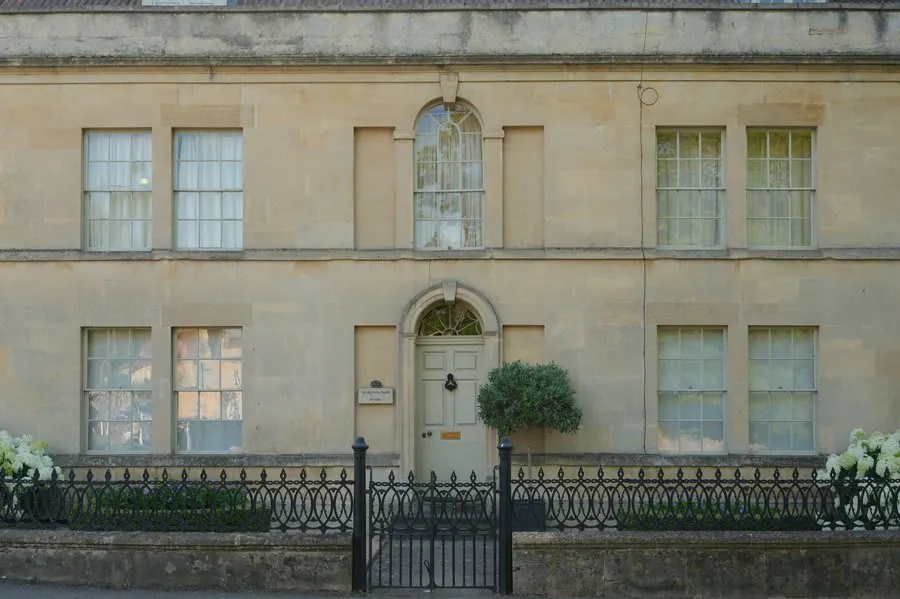
Secondary glazing is the route that most listed building owners in Exeter end up on after the first conservation officer conversation, and it’s usually the right one. The thermal and acoustic improvement is significant, the application is simple or not needed at all, and the original windows are preserved.
Modern secondary glazing for listed buildings uses slim aluminium or timber frames, powder-coated or painted to match the existing window, fitted inside the existing frame or reveal using reversible fixings. On a sash window, the secondary unit typically slides horizontally so the primary sash can still be operated for ventilation. On casement windows, the secondary panel usually tilts or pivots. Well-made secondary glazing is not the draughty, rattly product it was in the 1970s and 1980s - current products seal well, operate smoothly, and are close to invisible from inside when the curtains are drawn back.
The acoustic case for secondary glazing is particularly strong on central Exeter listed buildings near the High Street, the Cathedral area, or the main through routes. The wide air gap that makes secondary glazing thermally effective also makes it acoustically effective - most secondary glazing installations reduce noise transmission by 40-50dB, which is more than standard double glazing achieves.
Cost for secondary glazing on a listed Exeter property is typically £300-£600 per window including fitting, depending on size and whether the unit needs to open. A full house treatment on a central Exeter listed property might run £3,000-£8,000 depending on window count and size.
Our window installation and secondary glazing services cover listed building work in Exeter, including navigating the consent process. Get in touch to discuss your specific property and what’s achievable.
Frequently Asked Questions
Can I replace windows in a listed building in Exeter?
Yes, but you need listed building consent before any work starts, and the replacement windows must be acceptable to Exeter City Council's conservation officers. 'Acceptable' usually means windows that closely match the original in material, profile dimensions, glazing bar arrangement, and overall character. In many cases this means slim-profile timber or aluminium windows that replicate the original appearance rather than standard uPVC products. The application itself is free to submit. What it costs is the time and specialist advice to get the specification right before submission, and the cost of the windows themselves which are typically higher than standard replacements.
Can I put double glazing in a listed building in Exeter?
Sometimes, but it depends on the window type, the grade of listing, and what Exeter City Council's conservation officers consider acceptable for that specific property. Single-glazed timber sash windows on Grade I listed properties in central Exeter are often not replaceable with double-glazed units because the profile dimensions required to house a double-glazed sealed unit cannot match the original glazing bar proportions. On Grade II listed properties, slim double-glazed units in timber or aluminium frames that replicate the original profile are often approved, particularly on rear or less visible elevations. Secondary glazing - a separate inner panel fitted inside the existing window - is frequently the approved route for listed buildings where replacing the original windows isn't permitted.
What happens if I replace windows in an Exeter listed building without consent?
Listed building enforcement action. Replacing windows in a listed building without listed building consent is a criminal offence, not a civil matter. The council can issue a listed building enforcement notice requiring you to restore the building to its previous condition at your own cost - in the case of windows, this means removing the replacement windows and reinstating matching originals. There is no time limit on listed building enforcement: unlike planning enforcement, which generally can't proceed after four or ten years depending on the breach, listed building enforcement can be taken indefinitely. The cost of retrospective consent (if it can be obtained at all) plus reinstatement is invariably far higher than getting consent first.
Do I need listed building consent for secondary glazing in Exeter?
Usually not, but it depends on the installation method. Secondary glazing that's fitted to the existing window frame or reveal using reversible fixings and doesn't alter the original window is generally not notifiable as a listed building matter - it's regarded as a reversible addition rather than an alteration to the fabric. Permanent or structural secondary glazing systems that fix into the reveal masonry or alter the original frame may need consent. It's worth a quick call or email to Exeter City Council's planning team to confirm the specific situation before ordering, because the rules are applied on a property-by-property basis and the advice is free.