
18 August 2026
Misted Double Glazing In Exeter: Repair, Replace Or Leave It?

The haze appears gradually. First you notice the corners look slightly opaque. Then on a cold morning the whole unit fogs over. A few months later it’s a permanent milky smear between the panes that no amount of cleaning shifts - because the problem isn’t on the surface, it’s inside the sealed unit itself. This is one of the most common window problems Exeter homeowners call us about, and the good news is that it’s usually fixable without replacing the whole window.
What’s Actually Happening When Double Glazing Goes Misty
A double glazed unit is a sealed assembly - two panes of glass bonded together with a spacer bar around the edge, the cavity filled with either dry air or an inert gas like argon. Around the perimeter of that unit, two layers of sealant hold everything together: an inner layer of butyl mastic (the primary seal) and an outer layer of polysulphide or silicone (the secondary seal). Inside the spacer bar sits a desiccant - silica gel or molecular sieve - whose job is to absorb any residual moisture inside the cavity and keep it dry.
When all of this is working, the cavity stays dry and clear. When the edge seals fail, outside air starts getting in. That air carries moisture. The desiccant, which was sized to handle only the small amount of residual moisture from manufacturing, quickly becomes saturated. Once it’s saturated, it can’t absorb any more. Moisture accumulates in the cavity, and on a cold morning - when the outer pane is colder than the inner - it condenses on the inner glass surfaces as fog or droplets.
What you’re seeing when your windows go misty isn’t surface condensation. It’s the symptom of a seal failure that’s already happened. The unit is no longer sealed; it’s open to the atmosphere through microscopic gaps in the edge sealant.
Devon’s climate is harder on sealed units than drier parts of England. Exeter gets high humidity, significant rainfall, and meaningful seasonal temperature swings. West and south-facing windows are worse again: they get more UV on the frame sealants and more thermal cycling as they heat up in afternoon sun and cool overnight. Victorian and Edwardian properties in Heavitree, St Thomas, and Pennsylvania with older glazing - and any windows installed in the 1990s and early 2000s - are the most common candidates.
How To Know If It’s The Sealed Unit Or Something Else

Not all window condensation is a failed sealed unit. There are three distinct types, and treating the wrong one is a waste of money.
Condensation between the panes - inside the cavity - is a failed sealed unit. This is what leaves permanent foggy patches that don’t respond to cleaning. It’s worse on cold mornings and may partially clear on warm days. The fix is replacing the sealed unit.
Condensation on the inside surface of the inner pane is the result of high humidity inside the room, not a window problem. It happens in kitchens and bathrooms with poor ventilation, in newly plastered rooms releasing moisture as they dry, or in properties where curtains are drawn tight overnight and trap moist air against the glass. The fix is ventilation - extractor fans, trickle vents, or keeping the room better heated. This condensation is sometimes confused with a failed unit, but if you can wipe it away, it’s on the surface.
Outside surface misting on the outer pane is actually a sign of a well-performing window. When the outer pane is cold enough and the air outside is humid, moisture condenses on the glass before the sun evaporates it. It means the window is doing its thermal job - the inner pane is warm (because the unit is insulating well) while the outer pane stays cold. This appears most on modern high-performance units and requires no action.
To confirm a failed sealed unit, look for the tell-tale signs: fogging that persists when the room warms up, foggy patches in the middle of the pane (not just at the edges), and fogging that’s between the panes rather than on either surface.
Sealed Unit Replacement: What’s Involved And What It Costs
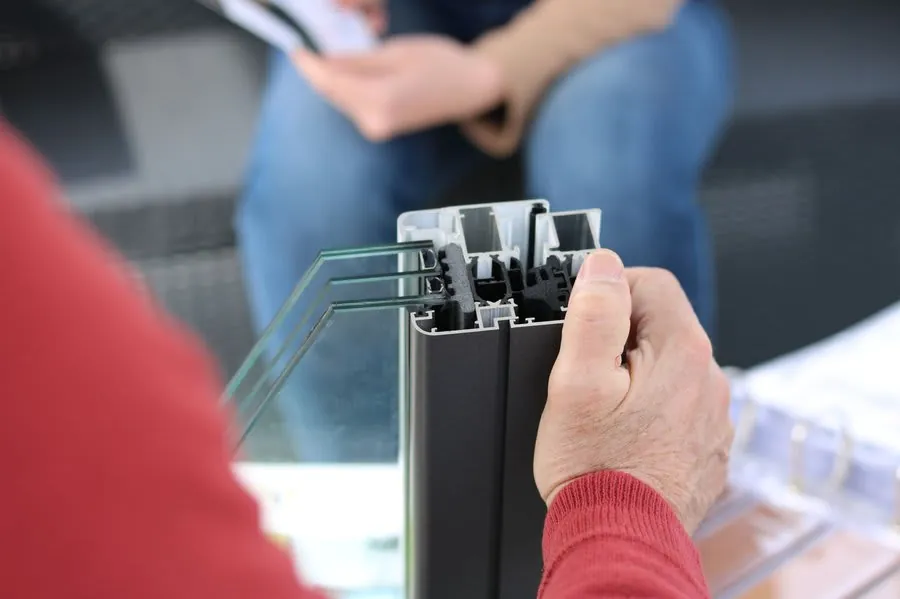
If the frame is in good condition, replacing just the sealed unit is the right move. The work is straightforward: the beading around the glass is removed (usually plastic packers clicked into place), the failed unit slides out, a new unit cut to the exact size goes in, the beading is replaced, and the job is done. On a standard casement window, an experienced glazier can do this in 30-45 minutes per unit.
The cost in Exeter for a replacement sealed unit typically runs £80-£200 per unit, depending on size and glass specification. A standard 600 x 900mm double-glazed unit in white uPVC is toward the low end. A larger unit - 1200 x 1000mm - costs more. Add a low-E coating, acoustic glass, or a tinted solar control coating and the unit cost increases further. Most sealed unit replacement jobs include supply and fitting; some glaziers charge separately for the unit and the fitting call-out.
What pushes cost up significantly is specification. A basic air-filled unit with an aluminium spacer bar is the cheapest option - and also the one most likely to fail again in 10 years. A quality argon-filled unit with a warm edge spacer bar (Swisspacer, ThermaBar, or equivalent) costs £30-£60 more per unit but delivers better thermal performance and meaningfully longer lifespan. In Devon’s climate, the warm edge bar’s lower conductivity across the edge means less thermal cycling stress on the seals, which is one of the primary failure mechanisms.
For a typical Exeter semi with 12 windows, if three or four units have failed, you’re looking at £400-£800 to replace the affected units - compared to £4,800-£9,600 to replace all the windows including frames. If the frames are sound, the unit replacement route is the obvious choice.
When The Frame Condition Makes Replacement The Better Option
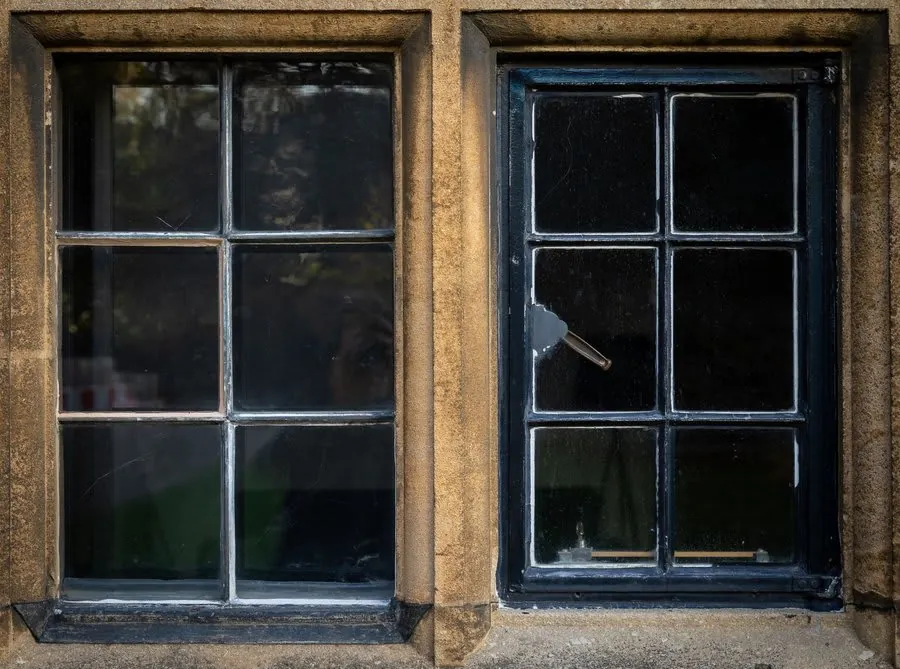
Sealed unit replacement is the right call when the frame is sound. But the frame condition is the thing worth checking first, because there are situations where fitting a new unit into a compromised frame is money not well spent.
The first sign of a frame that’s past it is warping. uPVC frames can warp when they’ve been exposed to sustained heat - south-facing windows in summer are the main culprit, though manufacturing defects in early uPVC can also cause this. A warped frame allows gaps between the sash and frame, which compromises the draught seal and can admit water. Fitting a new sealed unit into a warped frame means the seal failures will recur faster because the frame itself is no longer holding the unit correctly.
Corner joints are the other place to check. The welded corners of a uPVC frame can crack or separate over time, especially on older frames or ones that have had physical damage. An open corner joint lets water track down inside the frame section. If you press gently on a frame corner and it flexes or shows a gap, that frame’s structural integrity is compromised.
Older timber frames - there are still plenty on Heavitree and Pennsylvania Victorian terraces that have had double glazing retrofitted into original timber reveals - need the most scrutiny. Timber around the sill and at the corners is the area most exposed to moisture. Rot in the sill or at frame corners means the frame can’t provide the secure fixing and weathertight junction a sealed unit needs.
The general guidance: frames from the last 15-20 years with no visible warping, sound corner joints, and no rot are good candidates for unit replacement. Frames over 25 years old, noticeably warped, or showing corner cracking benefit from a professional assessment before investing in new units. In some cases the frames have simply had their life and a full window replacement - units and frames together - makes more economic sense over a 10-year horizon.
The Devon Climate Factor: Why Exeter Windows Fail Faster Than Average
Sealed unit lifespan varies considerably by location, and Exeter is not the easiest environment for glazing. Devon’s southwest Atlantic climate brings consistent high humidity, significant annual rainfall (Exeter averages around 750mm per year), and real temperature swings across the seasons. Each of these stresses the edge seals in a different way.
Humidity means the air trying to get into the cavity is carrying more moisture than it would in drier parts of England. When a seal starts to degrade and microscopic air paths open, the desiccant in an Exeter window has to work harder to stay on top of incoming moisture. Saturation happens faster.
Rainfall and wind-driven rain put direct mechanical pressure on edge seals, particularly on exposed west or southwest-facing elevations. Properties in Pennsylvania, Heavitree, or St Thomas with rear elevations facing the prevailing wind get considerably more rain-exposure than a sheltered courtyard facing east. Silicone sealants on the outer perimeter of the unit - particularly if they’ve been applied thinly or have gaps from shrinkage - are vulnerable to this.
Thermal cycling is the mechanical stress factor. When a frame heats up in summer sun, it expands. When it cools overnight or during a cold spell, it contracts. The glass and the frame expand and contract at different rates. The edge sealants have to accommodate this movement every day. Over years, this cycling fatigues the seal. South and west-facing windows have the most dramatic daily temperature swings and are consistently the first to fail on Exeter properties.
This isn’t a reason to do nothing - it’s a reason to specify well when replacing. Warm edge spacer bars reduce thermal stress at the critical edge seal junction. Quality two-part silicone/polysulphide secondary seals perform better across temperature ranges than single-component alternatives. When getting sealed units replaced, asking about specification matters more in Devon than it would in, say, Manchester.
What To Specify For A Long-Lasting Replacement Unit In Exeter
Not all replacement sealed units are equal, and the difference between a cheap unit and a good unit is largely invisible until one fails prematurely. Here’s what to ask about when getting a quote for sealed unit replacements in Exeter.
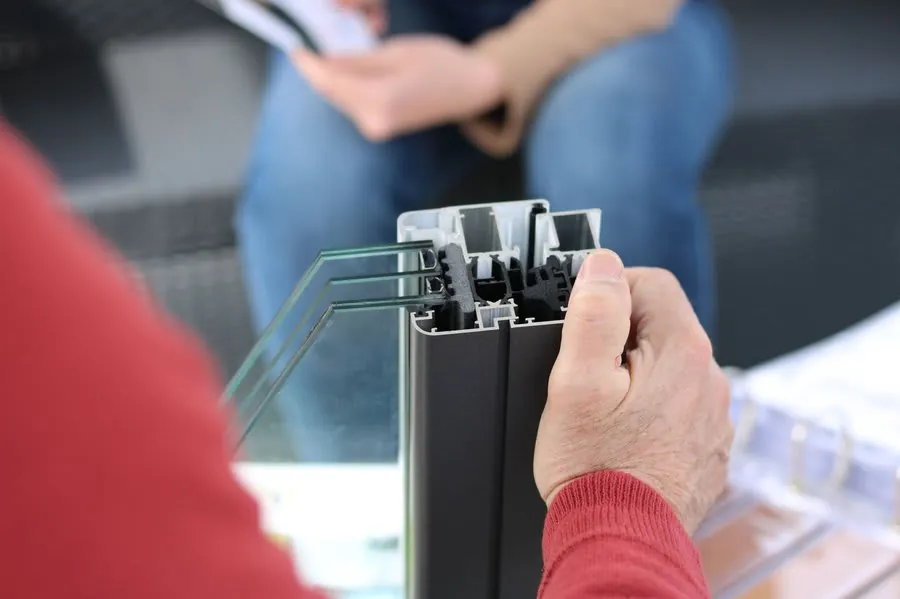
The spacer bar type matters more than most people realise. Aluminium spacer bars are cheap and conduct heat across the edge of the unit, creating a cold bridge at the glass perimeter. This cold band at the edge is where interior condensation first appears on cold mornings, and the thermal stress from the temperature differential accelerates seal degradation. Warm edge spacer bars - foam, silicone, or stainless steel with thermal breaks - reduce that conductivity significantly. Swisspacer, Thermix, and ThermaBar are the names to look for. The premium over aluminium spacer is typically £15-£30 per unit, and it’s consistently worth paying in Devon’s climate.
Gas fill specification matters for thermal performance. An argon-filled unit (around 90% argon concentration) has meaningfully better thermal performance than an air-filled unit. The difference is a U-value of approximately 1.0-1.1 W/m²K for a standard argon-filled low-E unit versus 1.4-1.6 W/m²K for an equivalent air-filled unit. Over a heating season, this adds up. Confirm the unit is argon-filled, not just specified with a low-E coating in an air-filled cavity.
Low-emissivity (low-E) glass coating reduces heat loss through the unit by reflecting long-wave heat radiation back into the room. Modern soft-coat low-E glass (like Pilkington K or Saint-Gobain PLANITHERM) achieves this without significantly reducing visible light transmission. This is standard on good quality modern units and should be included in any replacement.
Glazing unit guarantee covers the sealed unit against failure (misting) for the stated period. Reputable glaziers offer a minimum 5-year unit guarantee; some offer 10 years on premium units. FENSA registration means the glazier self-certifies compliance with Building Regulations, which is required for replacement glazing - and it registers the installation with your local authority, giving you a certificate you’ll need when you sell the property.
Our window repair team covers sealed unit replacement across Exeter. If you’re not sure whether your windows need unit replacement or full replacement, get in touch and we’ll assess the frame condition at no charge as part of the quote visit.
Frequently Asked Questions
Can misted double glazing be repaired without replacing the whole window?
Yes, in most cases. If the frame and opening mechanism are sound, the sealed unit (the glass part) can be replaced without touching the outer frame. A glazier removes the beading around the glass, slides out the failed unit, and fits a new sealed unit into the same frame. This costs significantly less than a full window replacement - typically £80-£200 per unit depending on size, compared to £400-£800 for a new window including frame. The key question is whether the frame itself is in good condition. Warped, cracked, or heavily weathered frames that are contributing to the seal failure are better replaced as a whole. But most uPVC and aluminium frames from the last 20 years are robust enough to hold a new unit for another 10-15 years.
Why do double glazed windows go misty in Exeter?
All double glazed sealed units contain a desiccant (a moisture-absorbing material, usually silica gel or molecular sieve) packed into the spacer bar around the edge of the unit. When new, this desiccant absorbs any moisture inside the sealed unit and keeps the cavity dry. Over time, the edge seals around the unit degrade - exposure to UV, temperature cycling, and moisture gradually breaks down the mastic and butyl seals. Once the seal fails, damp air from outside enters the cavity. The desiccant becomes saturated and can no longer absorb moisture. When warm moist air inside the unit cools against the cold outer pane, it condenses as fog or droplets on the inner glass surfaces. Devon's climate - high humidity, significant rainfall, and temperature swings between season - accelerates seal degradation compared with drier parts of the UK. South and west-facing windows get more UV and thermal cycling, so they often fail first.
How long does a replacement sealed unit last in Exeter?
A good quality replacement sealed unit should last 15-25 years in normal conditions. Units with warm edge spacer bars (Swisspacer, ThermaBar, or similar) rather than aluminium spacers last longer because the warm edge material expands and contracts at a rate closer to the glass, putting less stress on the edge seals. In Exeter's climate, quality matters more than in drier parts of the UK - a cheap unit with an aluminium spacer and thin edge seals will fail in 8-12 years. Ask specifically for warm edge spacer bars and a minimum 5-year unit guarantee when getting sealed unit replacements quoted. Some glaziers offer 10-year guarantees on premium units.
Is misted double glazing covered by home insurance in Exeter?
Rarely. Most home insurance policies exclude gradual deterioration and wear and tear, and a failed sealed unit is generally classified as wear and tear rather than sudden accidental damage. Some all-risks home policies cover accidental damage that leads to a failed unit - for example, if a crack in the glass allowed moisture ingress. It's worth checking your policy wording and making a quick call to your insurer, but don't expect a payout on a unit that has simply reached the end of its natural lifespan. If the windows are relatively new (under 10 years) and the failure seems premature, it may be worth checking whether the original installation came with a FENSA-backed guarantee, which typically covers unit failures within the guarantee period.