
15 July 2026
How Much Does A New Front Door Cost In Exeter?
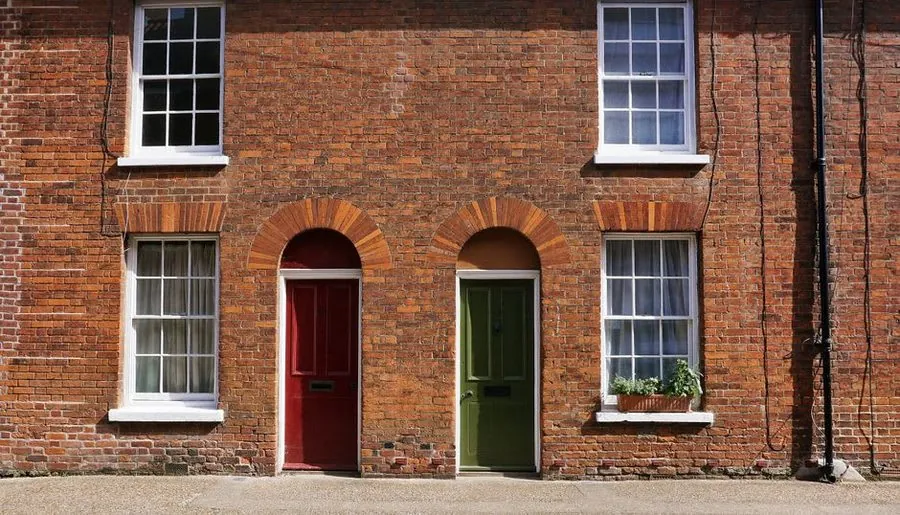
A new front door is one of the most visible changes you can make to the outside of a house in Exeter. It also comes with a wide price range that trips people up when they start getting quotes. This post covers what drives the cost, what you’ll realistically pay for each type, and what to pin down before you commit to anything.
What A New Front Door Costs In Exeter - The Headline Numbers
Most front door replacements in Exeter fall somewhere between £700 and £2,500 supply and fitted, with the majority of standard jobs sitting in the £900-£1,600 range. The spread is that wide because the price depends almost entirely on the material, the size, the glazing, and the hardware - three homeowners on the same street could get quotes of £850, £1,200, and £1,900 for what they each call “a new front door,” and all three quotes could be entirely fair for what’s included.
uPVC doors are the cheapest entry point. A standard uPVC door supplied and fitted by our door installation team runs from around £700 to £1,100. They’re low maintenance, well insulated, and available in a solid range of colours - but they don’t carry the weight and presence of composite, which most homeowners notice immediately when they see both side by side.
Composite doors - by far the most popular choice in Exeter right now - start at around £900 fitted and go up to £1,800 and beyond for bespoke sizes, decorative glazing panels, or premium hardware. Timber doors depend heavily on the species and finish and tend to start at £1,200 fitted, with bespoke oak doors for period properties running considerably more.
What Actually Drives The Price Up

The door leaf itself is often a smaller part of the total cost than people expect.
The frame is where it can get expensive quickly. If the existing frame is rotten, damaged, or the wrong size, replacing it adds labour and materials. Exeter has a lot of older Victorian and Edwardian housing stock where frames have quietly absorbed moisture over decades - and fitting a new door into a failing old frame is false economy. The new door will look right for a year and then problems start.
Wall construction adds time too. Most of central Exeter’s older terraces have solid stone or solid brick with no cavity. Fixing a new frame into solid stone takes longer and needs different fixings than a modern cavity wall. Properties on the newer estates around Pinhoe, Alphington, and Countess Wear are generally straightforward. If you’re in the city’s older core, assume the job will take a bit longer.
Non-standard sizes are the other thing that catches people out. Standard door sizes are manufactured in volume, which keeps the unit price down. Victorian and Georgian properties - particularly the grander houses in Pennsylvania and St Leonard’s - often have taller or wider openings than modern standard sizes. A non-standard opening means made-to-measure, which adds cost and usually 4-6 weeks of lead time.
On top of the door itself: glazing panels, side lights, and decorative glass all add to the price, and hardware upgrades (a solid brushed nickel or antique brass set in place of the basic chrome finish that comes as standard) typically run £80-£200.
Composite Vs uPVC Vs Timber - Which Holds Up Best In Devon
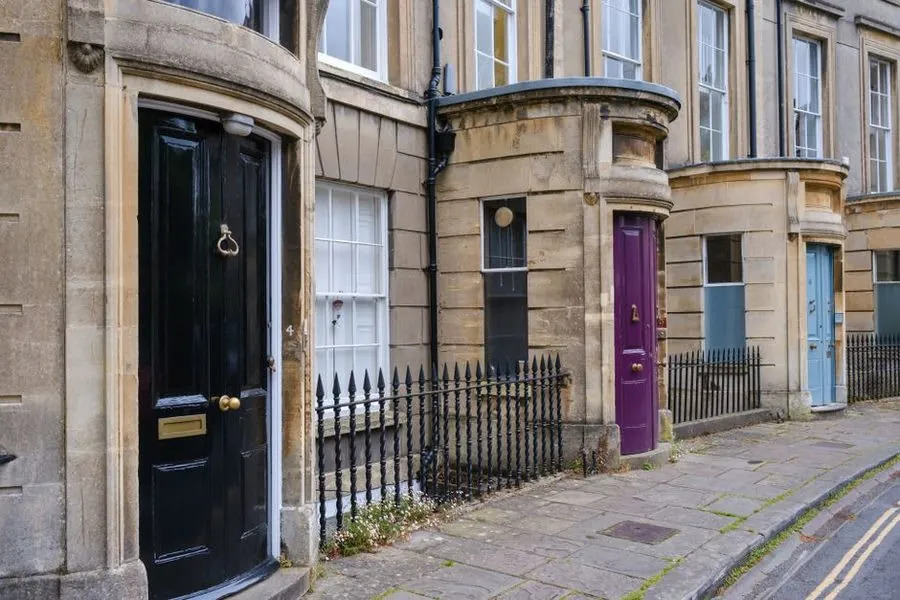
Exeter gets around 800mm of rainfall a year - well above the UK average of 680mm - and the prevailing south-westerly winds bring Atlantic moisture that’s particularly hard on softwood and standard uPVC. The material choice matters more here than in drier parts of the country.
Composite holds up best. The GRP skin is essentially waterproof, resistant to UV fading, and won’t swell in damp winters or contract in summer heat. The foam core gives composite doors significantly better thermal performance than uPVC, and they feel genuinely solid when closed - something homeowners notice immediately. The colour range has expanded a lot over the past five years; most composites now come in 20+ colours with foil finishes that convincingly replicate timber grain without the maintenance overhead.
uPVC is still a sensible choice for budget-conscious buyers or secondary entrances where aesthetics matter less. It just lacks the weight and finish quality of composite, and cheaper uPVC doors look noticeably plasticky at close range.
Timber is the right answer for listed buildings and some conservation area properties where composite or uPVC isn’t appropriate, and for homeowners who genuinely want natural timber. It requires regular maintenance (repainting every 4-6 years), and softwood does swell in Devon winters if not properly sealed. Engineered timber - hardwood veneers over an engineered core - is a better long-term choice than solid softwood for most Exeter properties.
Security: The Lock Is As Important As The Door
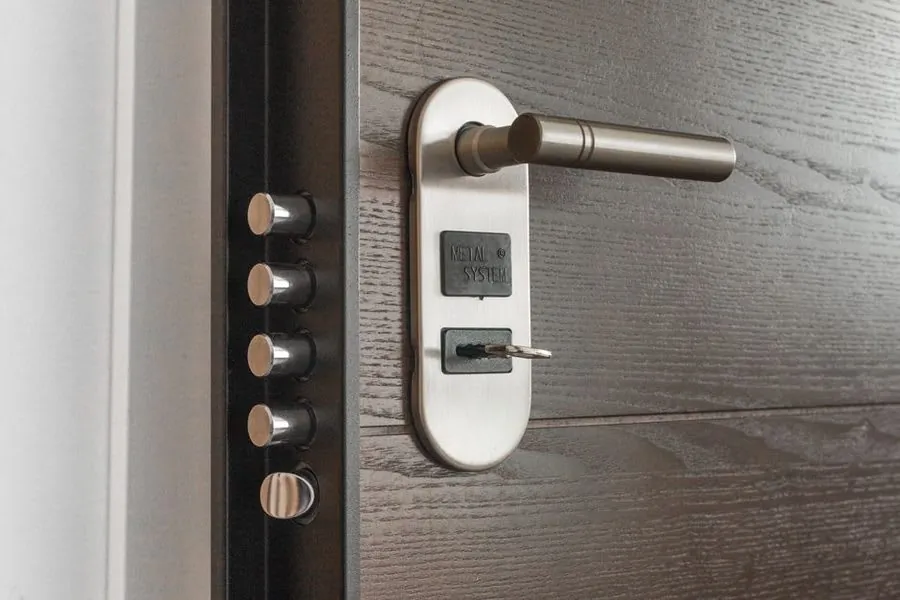
A new door is a good time to sort the locking while you’re at it.
Multi-point locking locks the door at three or more points when you lift the handle and turn the key - typically top, middle, and bottom. A single-latch lock can be forced with far less effort. Any composite or uPVC door we fit comes with multi-point locking as standard; it’s worth confirming this when getting quotes elsewhere.
The euro cylinder (the barrel the key turns) is the bit most targeted in lock-snapping attacks. Standard cylinders can be snapped in seconds with the right tool. Anti-snap, anti-pick, anti-drill cylinders - look for TS007 3-star rated cylinders, or a 1-star cylinder combined with a Sold Secure Diamond handle - are significantly harder to defeat. It’s a £30-£60 add-on that’s worth having. Devon and Cornwall Police’s Designing Out Crime guidance recommends it for all external doors.
The Secured by Design standard covers both the door and the hardware - ask whether the door being quoted meets it.
Conservation Areas And Period Properties In Exeter
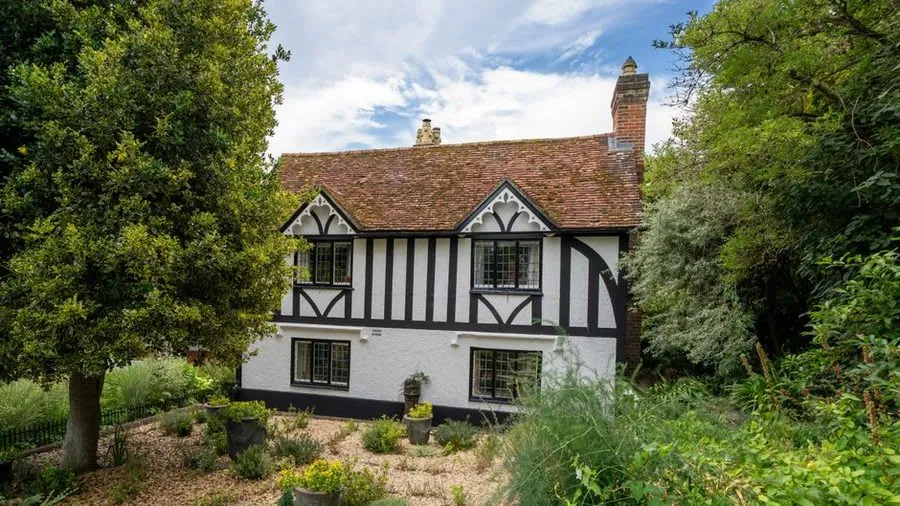
Exeter has a lot of properties where door replacement needs extra thought. The Cathedral and City Centre conservation area, St Leonard’s, Pennsylvania, Heavitree Road’s Victorian terraces, and many streets around Topsham are either in conservation areas, contain listed buildings, or both - and these aren’t always the streets people expect.
In a conservation area, replacing a door that contributes to the character of the area may require conservation area consent from Exeter City Council. Many standard replacements go through without issue, but the enforcement consequences of fitting without consent where it was needed can be serious. Worth checking before you order, not after.
Listed building consent is almost always required for a door replacement on a listed building, regardless of what you’re replacing it with. No exceptions.
Where planning or listed status is involved, timber is often the only material the council will accept - and the style, colour, and glazing pattern may need to match historic precedent. We look into this before any order is placed.
What Installation Actually Costs
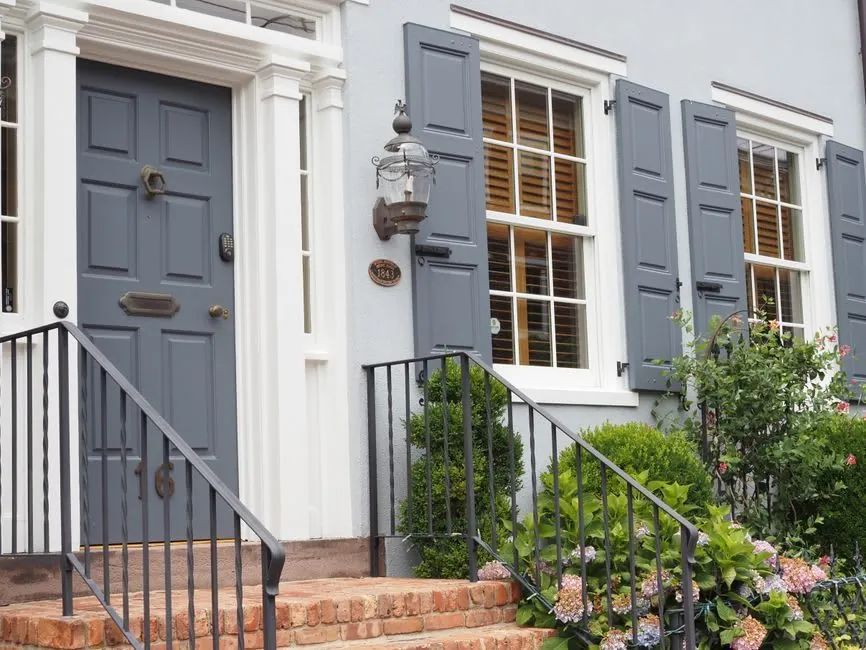
Labour on a standard front door replacement in Exeter runs £200-£400 depending on the complexity. A standard-size door into a sound existing frame with straightforward wall construction sits at the low end. Solid stone walls, a rotten frame that needs full replacement, or a non-standard opening all push the labour cost up.
When comparing quotes, always confirm the price includes removing and disposing of the old door and frame, making good around the new frame, and FENSA certification. FENSA registration is required for any replacement door installation in England and Wales - it confirms the work was done to current Building Regulations standard, and the certificate is what your solicitor needs if you sell. An installer who can’t provide FENSA certification shouldn’t be fitting your door.
A few things that can add to the final bill that don’t always appear in early quotes:
- Making good the internal reveals and architrave after the frame is fitted (often done by the homeowner, but worth discussing up front)
- Additional draught sealing if the opening has been poorly sealed for years
- Structural lintel work if the opening has settled or the lintel above has shifted
Get the full scope in writing before work starts. A quote that looks competitive before VAT can look different once it’s added.
Getting A Quote That Means Something
Most front door replacements in Exeter take a single day. The difference in running costs between a well-specified door and a cheap one over a 20-year lifespan is real - in both comfort and heat loss. A good composite door with a proper threshold seal will cut the draught in an Exeter hallway noticeably compared to an older door that’s settled and no longer sits flush.
If you have a period property, a non-standard opening, or any uncertainty about conservation area or listed status, those are conversations to have before a quote is finalised - not after the door has been ordered.
Get a free front door quote in Exeter
Frequently Asked Questions
How much does a new composite front door cost in Exeter?
For a standard composite door supplied and fitted in Exeter, expect to pay between £900 and £1,800 depending on the style, glazing, and hardware chosen. Entry-level composite doors (solid panel, basic handle and letterbox) sit at the lower end of that range. A door with decorative side panels, a multipoint lock upgrade, and a quality handle set will push toward the top. A fully bespoke size or a heritage-style door for a conservation area property will exceed £1,800. Those prices include VAT and fitting - always ask for a VAT-inclusive quote so you can compare like for like.
Do I need planning permission to replace my front door in Exeter?
Most front door replacements in Exeter don't need planning permission - they fall under permitted development rights. The main exception is if your property is a listed building or sits within one of Exeter City Council's designated conservation areas, such as St Leonard's, Pennsylvania, or the Cathedral and City Centre area. In those cases you may need listed building consent or conservation area consent before fitting a new door. Check Exeter City Council's planning portal or call their pre-application advice line before ordering if you're unsure of your property's status.
What is the most durable type of front door for a Devon climate?
Composite doors perform best in the damp, salt-tinged air that comes with Devon's coastal-influenced climate. The GRP skin doesn't absorb moisture, won't swell or warp as timber does in wet winters, and holds its colour far longer than uPVC. A well-fitted composite door with a good threshold seal should last 25-30 years with minimal maintenance - no repainting, no swelling in autumn, no sticking. For properties where timber is required (listed buildings, some conservation area properties), engineered timber composites are a better choice than solid softwood.
How long does front door installation take in Exeter?
Most front door replacements are completed in a single day. The installer removes the old door and frame, fits the new frame, hangs the door, fits all hardware, and seals around the frame. For a standard size and construction, the job takes 3-5 hours. Non-standard sizes, stone surrounds that need careful cutting, or properties with unusual frame depths can run longer, but very rarely spill into a second day.