
23 June 2026
Do I Need Planning Permission To Replace Windows In Exeter?
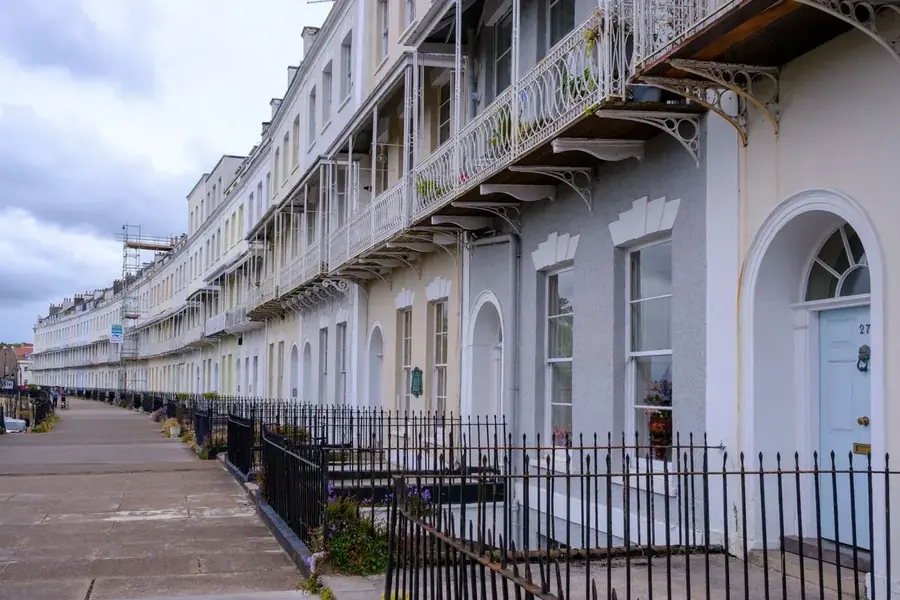
The short answer for most Exeter homeowners is no - replacing windows like for like is permitted development and doesn’t need planning permission. But Exeter has a higher proportion of conservation areas and listed buildings than many English cities, and the rules are different for those properties. Getting this wrong is expensive: installing the wrong windows in a conservation area without consent can result in an enforcement notice requiring you to remove them at your own cost. Exeter receives around 800mm of rainfall per year, making older windows a real problem for heat retention - so understanding what you can and can’t do is an important first step.
The General Rule: Permitted Development
For most properties in England, replacing windows is covered by permitted development rights. This means you don’t need to apply for planning permission as long as you’re replacing like for like in terms of position and size, the materials are of a similar appearance to the existing windows, and the property isn’t listed and isn’t in a designated conservation area.
You do still need to comply with building regulations - this is handled through FENSA registration rather than planning permission, and any reputable installer manages this automatically and issues a certificate on completion. Our window installation service covers this as standard on every job across Exeter.
If your property is a standard house or flat in most parts of Exeter - the estates in Pinhoe, Whipton, Exwick, Wonford, or newer areas around Cranbrook - permitted development almost certainly applies and you can proceed without any planning application.
When You Do Need Planning Permission
There are two main situations where you’ll need to contact Exeter City Council before replacing windows.
Listed buildings
If your property is on the statutory list of buildings of special architectural or historic interest, any alteration to the external appearance - including window replacement - requires listed building consent. This applies regardless of whether the property is in a conservation area. The consent is separate from planning permission and comes from Exeter City Council’s heritage team.
Replacing original sash windows with uPVC casements, for example, would not be approved for a listed building. The approved approach for listed properties is almost always secondary glazing, which improves thermal and acoustic performance while leaving the original window untouched.
Conservation areas
Exeter has several designated conservation areas where additional rules apply. In these areas, replacing windows with a different material, style or colour requires permission - even if the property itself isn’t listed. Exeter City Council’s planning guidance generally requires new windows to match the character of the existing ones in terms of materials, proportions and detailing.
The main Exeter conservation areas that affect window replacement include Topsham (covering most of the old town, including the Dutch-style merchants’ houses and the streets running down to the quay), Cathedral Close and parts of the historic city centre, sections of Heavitree Road and Pennsylvania with late Victorian and Edwardian character, and parts of St Leonard’s close to the city centre.
This isn’t an exhaustive list - Exeter City Council’s conservation area pages list all designated areas and include links to their character appraisals, which describe the specific requirements for each zone.
What Happens If You Replace Windows Without Consent In A Conservation Area
Replacing windows in a conservation area without the required consent is a breach of planning control. Exeter City Council can issue an enforcement notice requiring the unauthorised works to be reversed. There’s no time limit on enforcement action in conservation areas - unlike some planning breaches, this doesn’t become lawful after four years.
The practical consequence is that you may end up having to remove recently fitted windows and replace them with compliant alternatives, at your own cost. It does happen.
Secondary Glazing As The Approved Alternative
For listed buildings and many conservation area properties, secondary glazing is the solution Exeter City Council actively endorses. It involves fitting an additional window on the room side of the existing frame, without altering the external appearance at all.
Done properly, it makes a real difference to both thermal performance and noise reduction - particularly useful for properties on busier Exeter roads or with sash windows that rattle in the wind. It doesn’t require planning consent in most cases and is fully reversible. We’ve installed secondary glazing throughout Topsham and across the Cathedral Close area.
How To Check Your Property’s Status
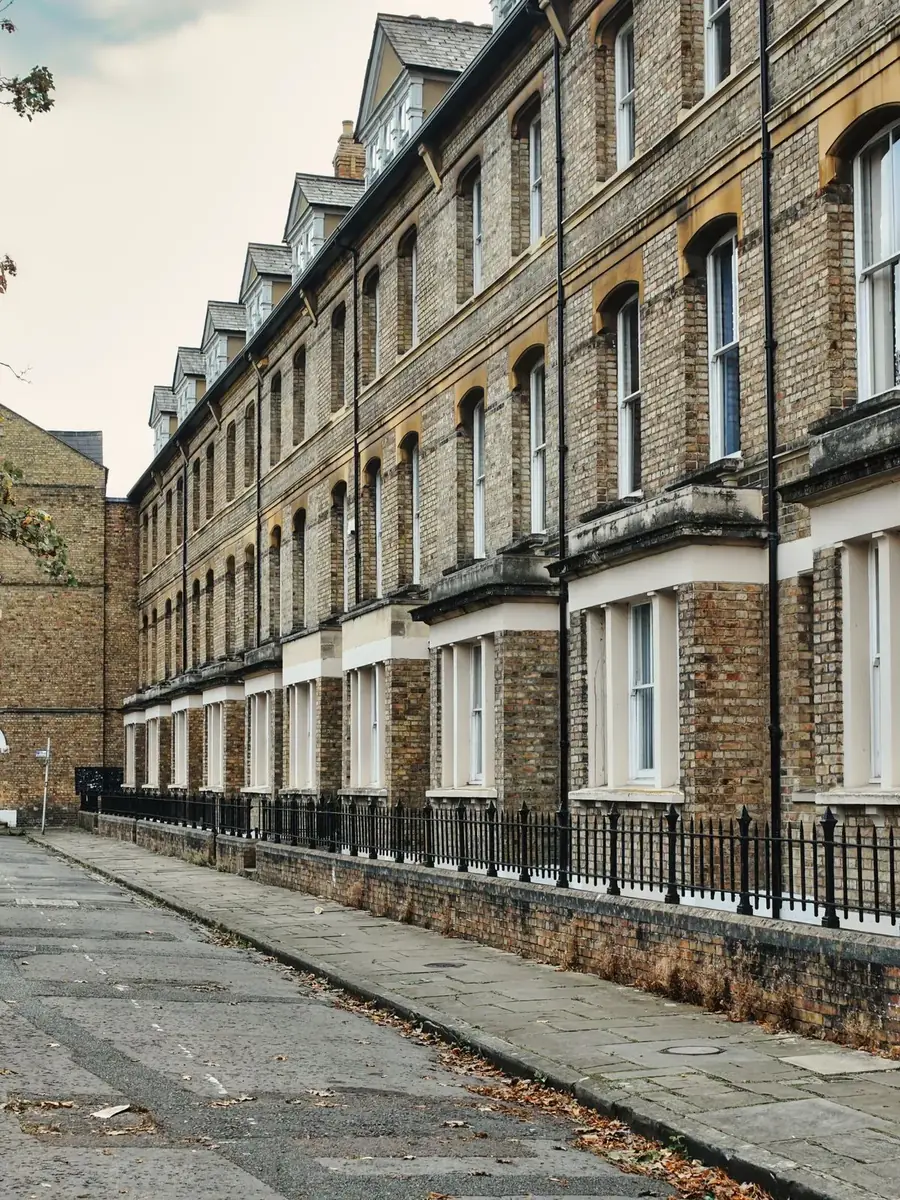
The quickest checks: Historic England’s listed buildings search for listing status, and the Planning Portal’s guide to permitted development for windows for the general rules. For a definitive answer on a specific Exeter address, the council’s planning department can be reached on 01392 265065.
If you book a survey with us, we’ll check the position for your property as part of the visit and advise on what applies before recommending any products. For detail on what window work typically costs across different Exeter property types, the double glazing cost guide covers price ranges for both full replacement and secondary glazing.
Book a free survey to discuss your options in Exeter
Frequently Asked Questions
I live in Heavitree - do I need planning permission to replace my windows?
It depends on exactly which part of Heavitree. Most residential streets are outside any conservation area and replacement is permitted development. Some streets closer to the city and along Heavitree Road fall within or near designated areas. Check Exeter City Council's online planning map, or mention your address when you book a survey with us and we'll confirm.
My property is listed - can I still improve the thermal performance of the windows?
Yes, through secondary glazing. Secondary glazing is fitted on the inside of the existing window and doesn't affect the external appearance of the building, so it doesn't require listed building consent in most cases. It makes a genuine difference to heat retention and noise - particularly useful for properties with original sash windows on busy roads.
How long does it take to get planning consent for windows in a conservation area?
Standard planning applications at Exeter City Council typically take 8 weeks from submission to decision. Listed building consent runs on a similar timescale. Free pre-application advice is available from the planning team, which can help you understand what's likely to be approved before submitting a formal application.
Does replacing a front door in a conservation area need consent too?
Yes. The rules that apply to windows in conservation areas generally apply to doors as well - replacing a front door with a materially different style or material requires permission. The specific requirements depend on the character of the conservation area and the existing door. Exeter City Council's planning team can advise.
What is secondary glazing and how does it work for listed properties?
Secondary glazing adds a discreet inner window on the room side of the existing frame, leaving the original window completely untouched on the outside. It improves insulation and reduces noise without altering the external appearance of the building, which is why Exeter City Council accepts it as the standard approved route for listed properties and conservation area homes.