
14 August 2026
Roof Lanterns And Skylights In Exeter: What They Cost And What To Know
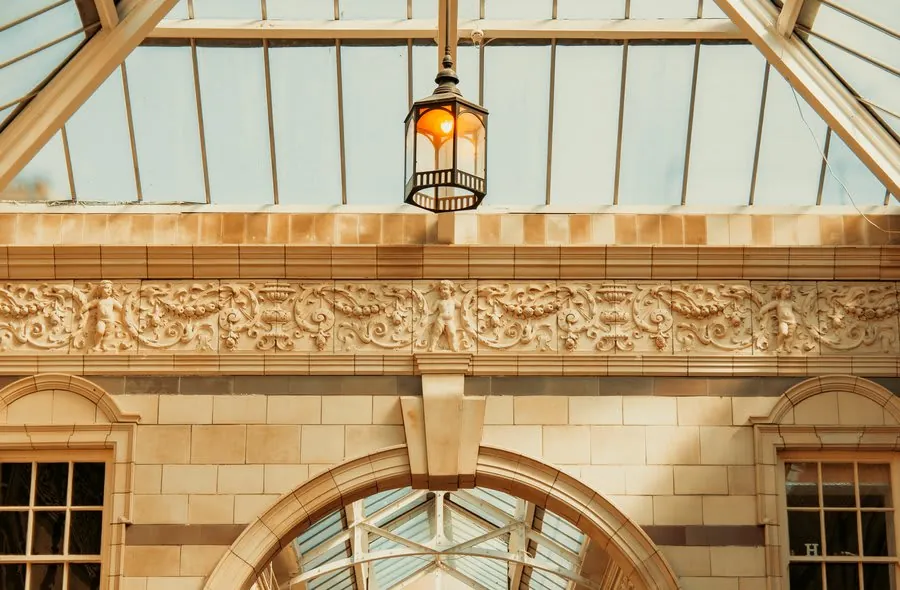
The single most common transformation on Exeter’s older kitchen extensions is adding light. Ground-floor rear extensions on Victorian and Edwardian terraces in Heavitree, St Thomas, and Pennsylvania were often built with small rear-facing windows and a solid roof, leaving the room dim even on a bright Devon day. A roof lantern or skylight changes that more than almost any other single intervention - and it does it without knocking through walls or adding a new extension.
Roof Lanterns vs Skylights: Which Is Which And Which Do You Need
The two products do different things, and people often ask for one when they mean the other.
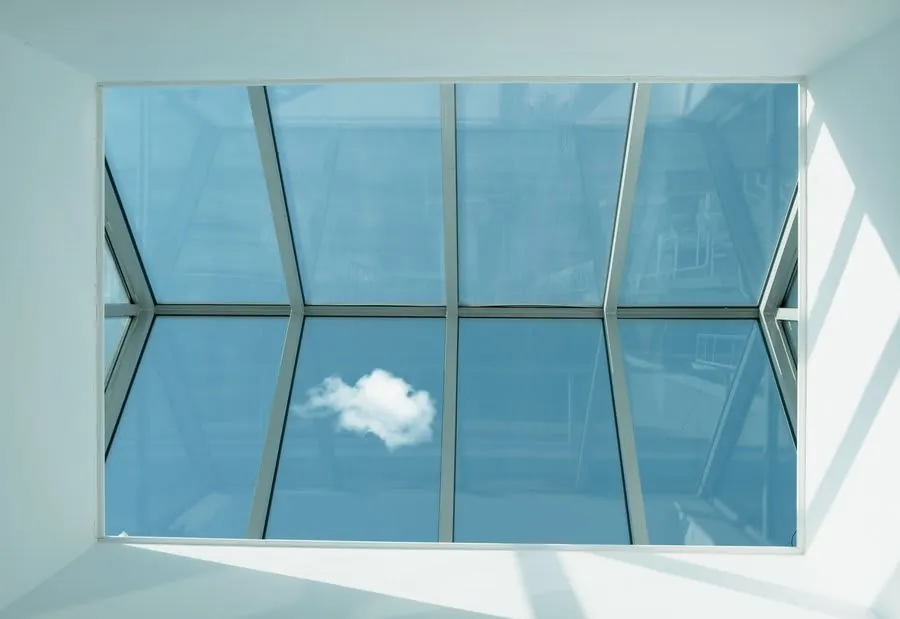
A roof lantern sits on top of the roof on a raised frame - an upstand. From inside, it’s a raised glazed feature above your head. From outside, it projects above the roofline and is a visible element of the building. On a flat-roof extension, a lantern adds drama, headroom under the glass, and a feeling of height that a flush rooflight can’t match. It’s the product that makes people say the room feels completely different.
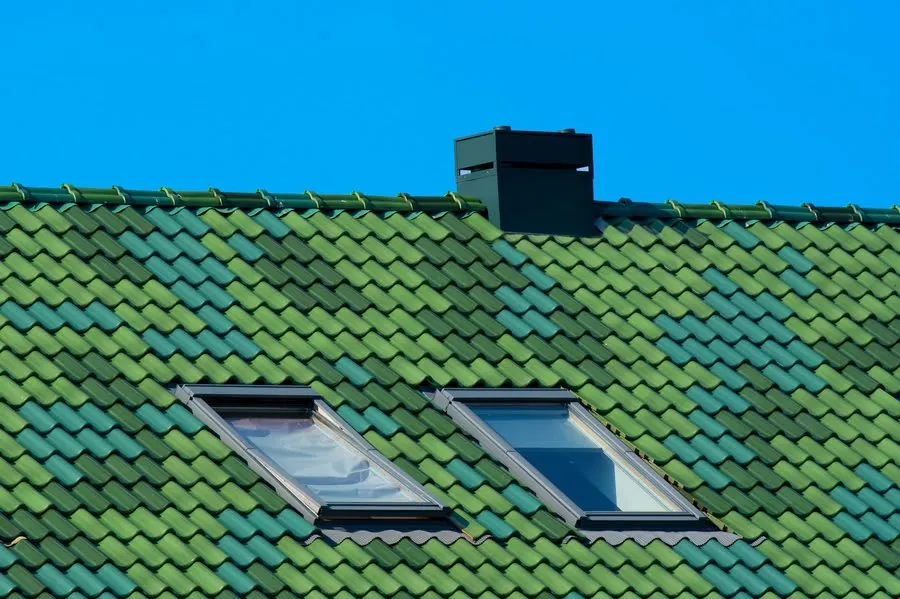
A skylight (or rooflight) sits flush or near-flush with the roof plane. The glass is at or close to roof level; from inside you look up at the sky, but there’s no raised frame adding height above. On a pitched roof - a bathroom in the eaves, a bedroom conversion, a back bedroom on a terrace - a flush Velux-style rooflight is usually the right product because a raised lantern would look wrong on a pitched surface and may not meet planning requirements.
Most Exeter kitchen and dining extensions have flat or very slightly pitched roofs, which makes the roof lantern the natural choice. The flat roof also gives good installation access, which is one reason the fitting process is more straightforward than on pitched roofs.
What Roof Lanterns Cost In Exeter
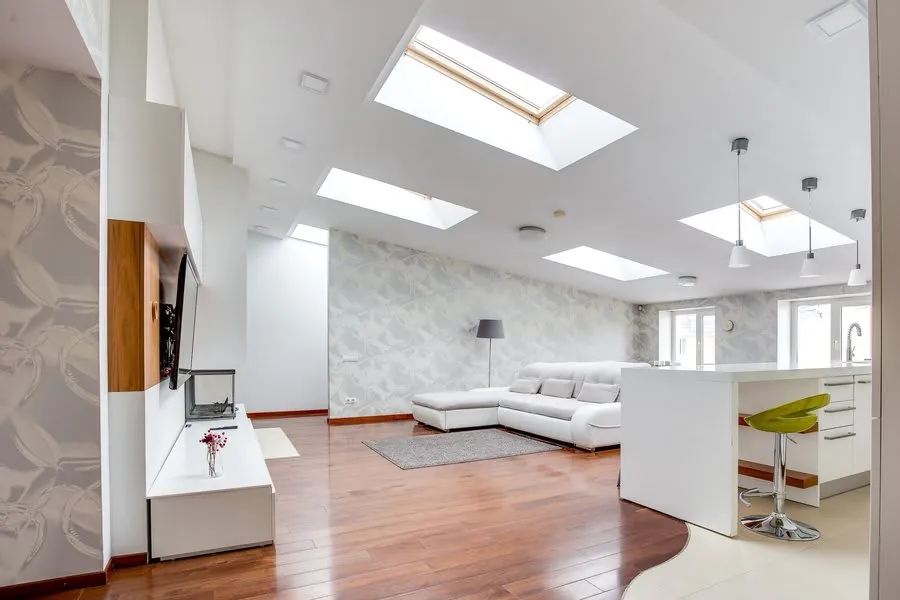
For a thermally broken aluminium roof lantern, the price range in Exeter runs from roughly £1,800 to £4,500 fitted, depending on size and specification. The most common size for a kitchen extension - 1.5m x 1m to 2m x 1m - sits around £2,000-£3,000. A larger 3m x 1.5m lantern on a bigger extension runs £3,000-£4,500 before any opening work.
Fixed lanterns are cheaper than lanterns with opening vents. Opening ridge vents - which allow hot air to escape in summer - typically add £400-£800 to the lantern cost depending on size and whether they’re manual or thermostat-controlled. Given Devon’s summer temperatures and the solar gain a south or west-facing lantern generates, a vent is worth the addition on most properties.
The upstand (the frame that the lantern sits on) is sometimes in the lantern quote and sometimes separate. Where a new extension is being built, the upstand is part of the build. Where a lantern is going onto an existing flat roof, the upstand may need building up or a prefabricated upstand frame supplied. Confirm which is included.
Internal finishing - plastering and decorating around the upstand inside the room - is almost never in the lantern price. It’s an additional plastering job after installation.
For comparison, Velux roof windows on a pitched surface are cheaper per opening: a standard Velux FK06 (66cm x 118cm) fitted costs around £600-£900 depending on specification. They do less dramatically in terms of light and feel than a lantern, but for pitched roof applications they’re the practical choice.
Solar Control, Glass Spec, And Devon’s Summer Problem
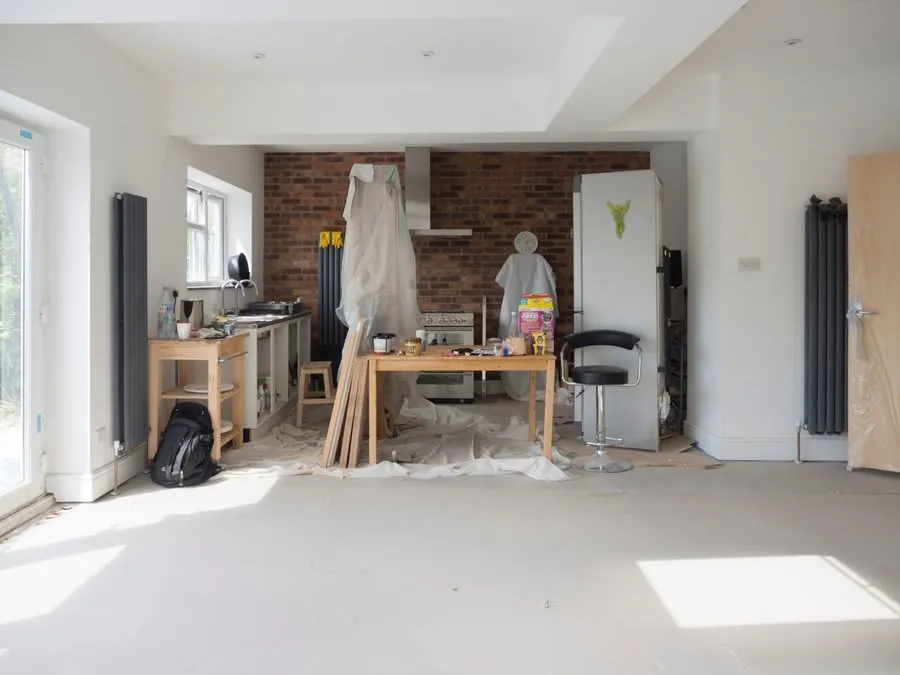
A roof lantern without solar control glass on a south or west-facing extension in Devon is a mistake that’s hard to fix after the fact. Devon gets enough sun from May through September that an unshaded lantern over a kitchen or dining room will make the space genuinely unusable on sunny afternoons - the temperature under the glass rises faster than you’d expect, and cooking makes it worse.
Solar control glass reduces the proportion of solar heat that passes through the sealed unit. A standard double-glazed unit transmits around 60-70% of incident solar energy as heat. A good solar control coating brings that down to 30-40%, which is the difference between a room that gets warm and a room that becomes a greenhouse. Solar control coatings are applied to the glass at the manufacturing stage and can’t be retrofitted. Get it in the original specification.
The coating doesn’t significantly affect visible light transmission - the room doesn’t look darker because of it. What changes is the heat load. Blue or green-tinted solar control glass is the budget option; neutral-tinted coatings cost more but look better and perform similarly. Either is vastly better than uncoated glass on a Devon rear extension.
Self-cleaning glass is a practical addition on a roof lantern, where external cleaning access is awkward. The coating uses UV light to break down organic deposits, then rain washes them away. It’s not perfect - a dry summer in Devon means the cleaning effect is limited without rain - but it significantly reduces how often the glass needs manual cleaning. The premium over standard glass is modest.
Acoustic laminated glass is worth considering where the extension is close to a main road or railway line. The Exeter to Waterloo line and the main roads through the city generate noise that’s particularly noticeable through overhead glazing. Laminated glass with an acoustic PVB interlayer reduces that transmission. Not needed on a quiet residential street; worth thinking about on busier Exeter roads.
Planning And Listed Buildings: What Applies In Exeter
A roof lantern on a single-storey rear extension usually falls within permitted development for most Exeter properties. The extension itself has permitted development limits; the lantern is generally treated as part of the extension. If the extension was already built and you’re adding a lantern to an existing flat roof, that addition also typically falls within permitted development for most residential properties.
Where it gets more complicated: listed buildings need listed building consent for any new opening or glazed structure, regardless of where it sits on the property. There are significant numbers of listed properties in central Exeter and Topsham. Conservation area constraints apply where the lantern or skylight would be visible from a public highway - typically front or side elevations rather than rear, so most kitchen extension lanterns at the rear aren’t affected.
If an extension project already has a planning permission, it’s worth checking whether the permission covers the lantern or whether the lantern was assumed under permitted development. Where there’s any doubt, a quick enquiry to Exeter City Council’s planning team takes days and removes the uncertainty.
Building regulations apply to roof lanterns and skylights regardless of planning position. The thermal performance of the glazed element, the structural adequacy of the opening, and the fire-resistance requirements of the upstand framing all need to be covered either through a FENSA-registered installer (for replacement glazing) or a building regulations application. A FENSA-registered installer handles this automatically.
Structural Considerations For Exeter Properties
The opening in a flat roof for a lantern needs structural support around the perimeter. On a purpose-built extension with a timber or steel flat roof structure, the opening is usually cut between the joists and trimmed with doubled-up timber members - straightforward for a competent builder or installer. On older Exeter extensions where the flat roof structure is in poor condition or was built with inadequate timbers, the opening work can be more involved.
The upstand - the raised frame the lantern sits on - needs to be weatherproof at every junction. Water ingress around the upstand is the most common long-term failure mode on lantern installations. Lead or code-3 flashing lapped up the upstand and dressed into the surrounding flat roof covering is the standard detail. A proprietary upstand system (many lantern manufacturers supply these as part of the package) properly integrated into the flat roof covering is more reliable than a site-made timber upstand with site-applied flashing.
Flat roof condition matters. A lantern installation is a good moment to assess the condition of the existing flat roof covering. If the covering is near end of life, replacing it at the same time as fitting the lantern avoids having to remove and re-cut around the upstand a few years later when the roof fails. Most Exeter flat roofs from before 2000 have felt or asphalt coverings that may be 20-plus years old. A good installer will flag roof condition during the site visit.
The weight of a roof lantern - typically 80-150kg for a standard residential size - needs to be carried by the surrounding structure. For most timber flat roofs this isn’t an issue, but it’s worth the structural check.
Getting The Installation Right
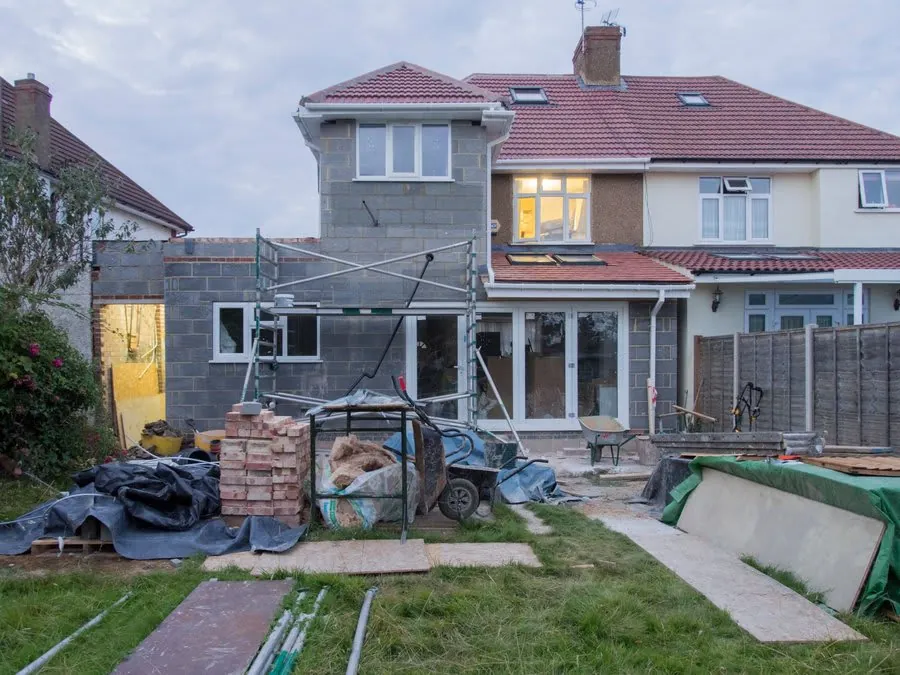
The quality of a roof lantern installation matters more than the quality of the lantern itself for long-term performance. A good lantern on a badly detailed upstand will fail within a few years. A mid-range lantern on a properly flashed and detailed upstand will last 25-plus years without issues.
The installer should specify how the upstand is being constructed and waterproofed before any work starts. Lead flashing dressed correctly is the traditional detail; EPDM or GRP upstand systems with matching membrane flashings are the modern equivalent. What matters is the junction between the upstand and the flat roof covering being continuous and properly lapped - no joints that could lift in wind, no gaps at corners.
Thermal bridging at the upstand is a heat loss point that’s hard to eliminate entirely but can be minimised. A thermally broken lantern system with insulated upstand framing performs significantly better than a non-broken system. For a kitchen extension in Exeter that’s heated year-round, the thermal performance of the upstand framing is worth specifying.
Lead times for bespoke roof lanterns are typically four to eight weeks from order - they’re manufactured to the specific opening dimensions. Standard-size Velux skylights are usually available ex-stock and can be fitted within a week or two of ordering.
Our window installation team fits roof lanterns and skylights across Exeter. Get in touch to arrange a site visit and assessment of what will work for your specific extension and roof structure.
Frequently Asked Questions
How much does a roof lantern cost in Exeter?
A standard aluminium roof lantern for a kitchen or dining extension in Exeter typically costs £1,800-£4,500 supplied and fitted, depending on size, glass specification, and profile system. A 1.5m x 1m lantern is toward the lower end; a 3m x 1.5m lantern on a larger extension is toward or above the higher end. Structural ridge lanterns with opening vents cost more than fixed units. The glass specification - solar control, acoustic laminate, self-cleaning coatings - adds to cost. Timber or heritage aluminium lanterns on period properties or listed building work can run considerably higher. Always confirm whether the price includes installation, any structural opening work, and internal plastering around the upstand.
What is the difference between a roof lantern and a skylight in Exeter?
A roof lantern is a raised glazed structure that sits above the roof plane on an upstand - it projects upward from the flat or pitched roof surface, creating a distinctive feature from both inside and outside. A skylight (or rooflight) is flush or near-flush with the roof surface - the glass sits in the plane of the roof rather than rising above it. Roof lanterns are the main choice for flat-roof kitchen and dining extensions because they add headroom and visual drama. Skylights are more common on pitched roofs, in bathrooms, or where planning constraints limit what can project above the roofline. Velux is the most recognised skylight brand in the UK; roof lanterns are typically bespoke or semi-bespoke to the opening.
Do roof lanterns need planning permission in Exeter?
Most roof lanterns on single-storey rear extensions don't need planning permission under permitted development rights, provided the overall extension itself doesn't exceed permitted development limits. The lantern is considered part of the extension rather than a separate structure. Listed buildings require listed building consent for any new opening or glazed structure. Conservation area properties in Exeter - St Leonard's, Pennsylvania, the Cathedral and City Centre, Topsham - need conservation area consent if the lantern is visible from a public highway, which usually means front or side elevations rather than rear. If your extension project already has planning permission, check whether the permission covers the roof lantern specifically or whether it was assumed under permitted development.
How do you stop a roof lantern from overheating in summer in Devon?
Solar control glass is the most effective measure and should be specified at the order stage because it's built into the sealed unit. Solar control coatings reduce the percentage of solar energy transmitted through the glass - a standard double-glazed unit transmits roughly 60-70% of solar heat; a good solar control glass reduces that to 30-40%. This makes a real difference in a south or west-facing Devon extension from May through September. Opening vents in the lantern allow hot air to escape - ridge vents that open manually or automatically via a thermostat are the most practical. External blinds are the most effective shading option but require the lantern structure to support blind tracks. Internal blinds help but trap some heat between the blind and the glass. Devon's climate means this is worth thinking about early - a lantern without solar control glass on a south-west facing extension can make the room below unusable in summer.