
3 July 2026
Secondary Glazing vs Double Glazing: Which Is Right For Your Exeter Home?

Secondary glazing and double glazing both put two panes of glass between you and the outside - but they work differently, and for Exeter homeowners the distinction matters more than in most English cities. Exeter has a higher proportion of listed buildings and conservation area properties than average, concentrated in Topsham, Cathedral Close, parts of St Leonard’s and Heavitree Road. In those areas, secondary glazing isn’t just one option among several - it’s often the only one the planning rules will accept.
How Double Glazing Works
Double glazing replaces your existing window completely. The new window consists of a factory-sealed unit - two or three panes of glass bonded into a single hermetic unit with an insulating gas between the panes - fitted inside a new frame made from uPVC, aluminium, or timber.

The performance advantage of double glazing comes from that sealed gas layer. Argon (the most common gas used) is a poor conductor of heat, meaning the glazed unit slows heat transfer significantly more than a simple air gap. Modern A-rated double-glazed units are designed to meet current Building Regulations standards, and any installer completing the work is legally required to register it with FENSA and issue you a certificate on completion.
Full double glazing makes sense for the majority of Exeter residential properties - standard houses and flats in Pinhoe, Whipton, Exwick, Wonford, and most of the city’s post-war housing stock where no planning restrictions apply. Our double glazing service covers full replacement across Exeter and the surrounding area.
How Secondary Glazing Works
Secondary glazing doesn’t replace your existing window. Instead, it fits an additional window on the inside of the existing frame or reveal - a separate panel or opening light that sits a few centimetres inside the original glass.
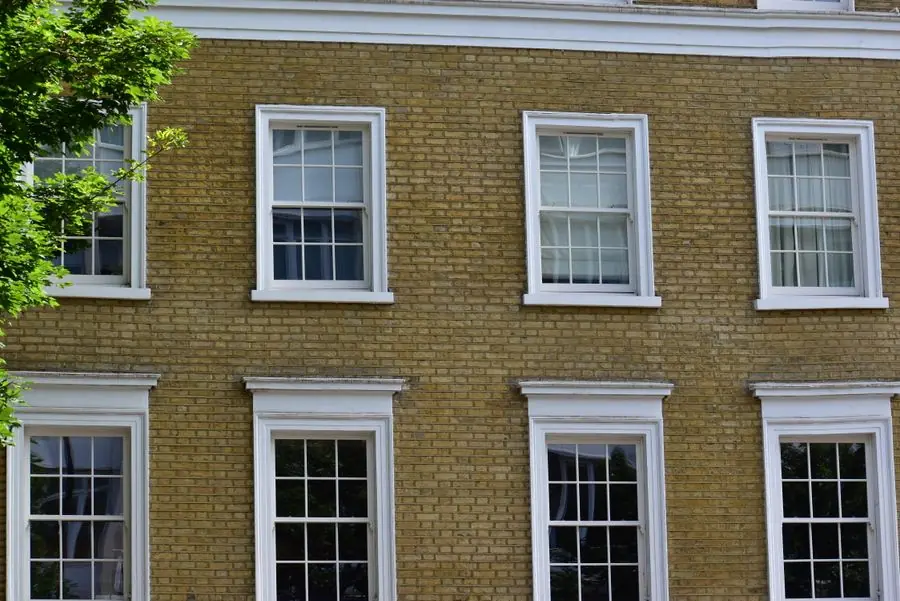
The result is two layers of glass with a larger air gap between them than a standard double-glazed sealed unit - often 100mm or more compared to 16-20mm in a double-glazed unit. A larger air gap is better for acoustic performance than thermal performance, which is why secondary glazing is particularly effective at reducing noise. For thermal improvement, the secondary panel needs to be well-sealed around its edges, since draughts through gaps will significantly reduce the benefit.
Secondary glazing is typically fitted to the inside face of the reveal using slimline aluminium or uPVC framing. The panels can be fixed, hinged, or sliding depending on the window type and what access is needed for ventilation and cleaning. Good systems are unobtrusive - they sit behind the original frame and don’t change the external appearance of the building at all.
Where Secondary Glazing Is The Right Answer
For most standard Exeter properties, full double glazing is the better choice - better thermal performance, cleaner result, required FENSA certification, and broadly comparable cost per window.

Secondary glazing is the right answer in a specific set of circumstances, not as a general-purpose alternative.
For listed buildings, any alteration to the external appearance requires listed building consent - and English Heritage’s guidance consistently opposes replacing original windows, particularly original sash windows, with double-glazed units. Secondary glazing, fitted on the inside and leaving the original window completely untouched, doesn’t require consent in most cases. It’s the approach Exeter City Council’s heritage team actively recommends, and we’ve installed it throughout the Cathedral Close area and across Topsham’s listed properties.
Conservation area properties face a similar constraint. Replacing a timber sash with a uPVC casement wouldn’t be approved in most of Exeter’s designated areas. Secondary glazing adds insulation without changing what the planning team sees from outside.
For rented properties, the reversibility is the point. Secondary glazing can be removed without affecting the existing windows, which matters where the tenant or leaseholder can’t make permanent alterations.
There’s also the noise case. The larger air gap in secondary glazing outperforms standard double glazing at cutting low-frequency traffic noise. For properties on Heavitree Road, Topsham Road, or the roads near the ring road, that can be the deciding factor on its own.
The Thermal Performance Comparison
Double glazing outperforms secondary glazing on thermal metrics, mainly because the sealed argon-filled unit beats a simple air gap. A modern A-rated double-glazed window typically achieves a U-value of around 1.2-1.4 W/m²K. Secondary glazing on a single-glazed window gets the effective U-value down to roughly 1.8-2.0 W/m²K - meaningfully better than the original single glazing at 4.5-5.0 W/m²K, but not quite matching a full double-glazed replacement. The Historic England guidance on glazing in historic buildings sets out these performance differences in detail.
Secondary glazing on a draughty original sash also benefits from the draught-sealing effect at the edges of the panel. For properties where the original windows let cold air in around the sash, sealing those gaps can add more to comfort than the U-value numbers alone suggest.
The Noise Reduction Comparison
This is where secondary glazing genuinely has the upper hand. Noise reduction depends on the air gap between the two layers of glass - wider is better, because a larger gap interrupts more sound frequencies. Standard double glazing has a gap of 16-20mm, which gives moderate acoustic performance. Secondary glazing, with its 100mm or more gap, performs significantly better at cutting external noise.

Properties on Exeter’s busier roads - Heavitree Road, Topsham Road, New North Road - often cite noise as their primary concern. For those properties, particularly Victorian and Edwardian terraces where the windows face directly onto a busy street, secondary glazing will deliver noticeably better noise reduction than standard double glazing. Acoustic double-glazing uses different-thickness panes to disrupt sound frequencies, and is worth comparing against secondary glazing for noise-specific applications.
Cost And Practical Differences
Secondary glazing costs roughly £300-£600 per window for a quality system - broadly comparable to a replacement uPVC casement, occasionally cheaper. For a whole-house job on a property with many windows, the total outlay can be lower, particularly on larger or more complex openings.

Full double glazing requires removing and disposing of the existing windows, which adds cost and disruption. It also produces a finished result that requires FENSA certification - this is mandatory for replacement windows in England and is what your solicitor will ask for when you sell. Secondary glazing doesn’t require FENSA certification because it doesn’t replace any existing regulated element.
On balance: if you can replace your windows with double glazing, you should. The thermal performance is better, the result is cleaner, and the FENSA certificate it generates is a legal document with value when you sell. If planning restrictions, listed building status, or lease terms prevent full replacement, secondary glazing is a well-established and effective alternative - not a compromise solution. The Which? guide to double glazing covers performance ratings and what to look for across both options.
If you’re not sure which route applies to your property, a survey will establish whether any planning or conservation area restrictions apply before you commit to anything. For cost comparisons across the different options, the double glazing cost guide includes secondary glazing price ranges alongside full replacement costs.
Book a free survey to discuss the right option for your Exeter property
Frequently Asked Questions
What is the difference between secondary glazing and double glazing?
Double glazing replaces your existing window entirely with a new sealed unit containing two panes of glass. Secondary glazing fits an additional window on the inside of your existing frame, leaving the original window in place. The result in both cases is two panes of glass with an air gap between them, which improves insulation and noise reduction. The key differences are that secondary glazing is reversible, doesn't require planning permission for listed buildings in most cases, and is considerably cheaper per window.
Is secondary glazing as good as double glazing for thermal performance?
Double glazing generally gives better thermal performance, mainly because the sealed unit contains an insulating gas (argon) between the panes, whereas secondary glazing uses a simple air gap. That said, good secondary glazing still reduces heat loss through windows by 60-70% compared to a single-glazed window on its own. For a listed building where full replacement isn't permitted, secondary glazing provides meaningful improvement even if it doesn't quite match a modern double-glazed sealed unit.
Do I need planning permission for secondary glazing in Exeter's conservation areas?
In most cases, no. Secondary glazing is fitted on the inside of the existing window and doesn't change the external appearance of the building, so it generally falls outside planning control. This is specifically why Exeter City Council recommends it as the approved route for listed buildings and conservation area properties. It's worth confirming with the council's planning team before proceeding, particularly for Grade I listed buildings, but for most Exeter heritage properties it proceeds without consent.
How much does secondary glazing cost compared to double glazing in Exeter?
Secondary glazing typically costs £300-£600 per window for a quality system, compared to £400-£700 for a replacement double-glazed uPVC casement. The gap narrows or reverses on larger or more complex windows where secondary glazing requires bespoke panels. For a whole-house job on a property with many windows, secondary glazing can represent a significantly lower total cost - though the thermal improvement per window is also lower than full double glazing.
Can secondary glazing be removed if I change my mind?
Yes. Secondary glazing is fully reversible - it's attached to the internal reveal or existing frame and can be removed without any damage to the original window. This makes it suitable for listed buildings and rented properties, and means it doesn't affect the character of the original window long-term. Some systems can also be opened independently of the existing window for ventilation and cleaning.