
27 June 2026
Signs Your Windows Need Replacing In Exeter
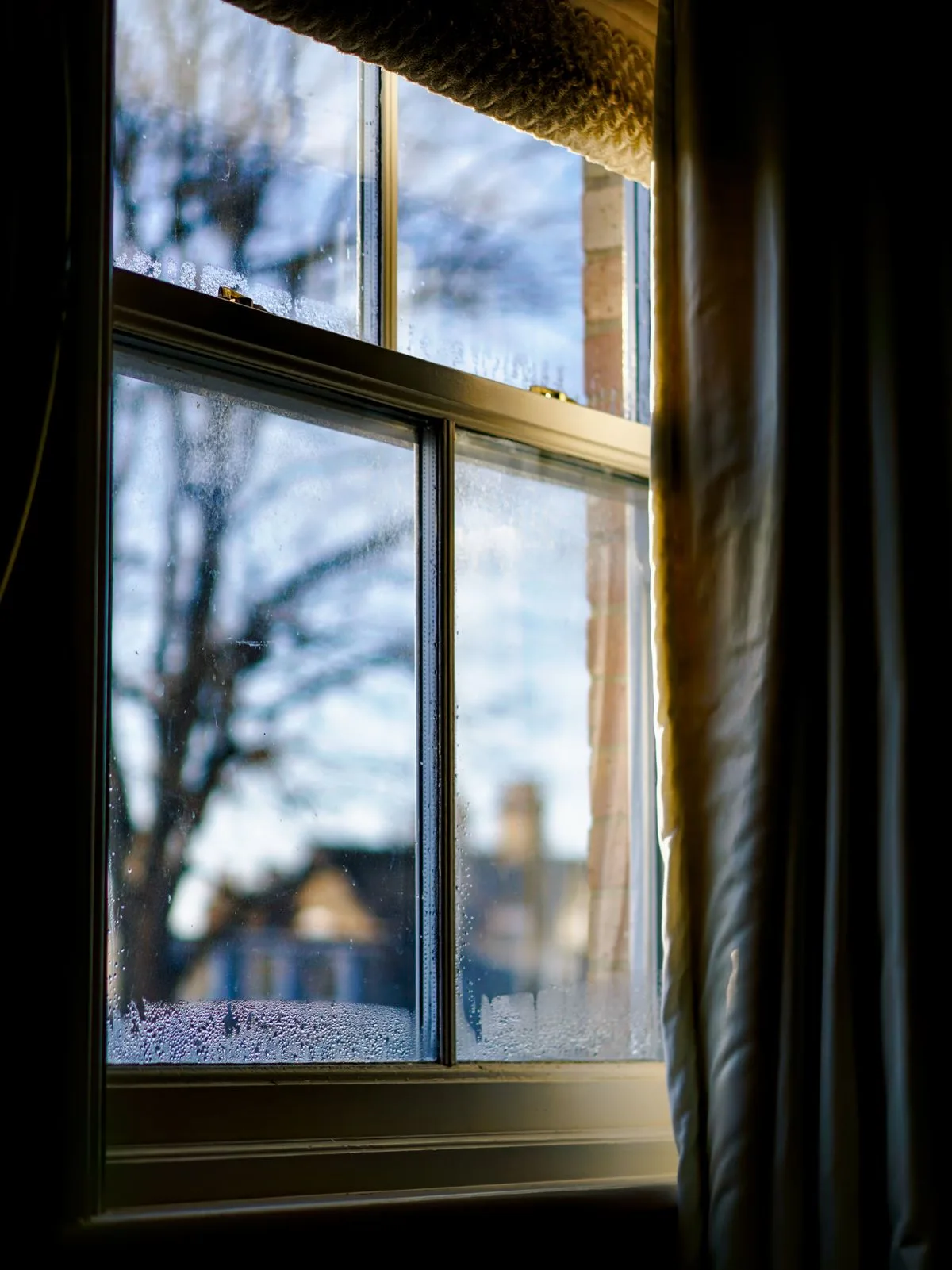
Most Exeter homeowners don’t think much about their windows until something goes obviously wrong. A pane cracks, a lock breaks, or a draught becomes so bad it’s no longer ignorable. But windows give plenty of warning signs before they reach that point, and catching them earlier usually means the difference between a straightforward repair and a full replacement job. Devon’s wet climate - Exeter gets around 800mm of rainfall per year, well above the 680mm UK average - puts window frames and seals under more sustained pressure than in drier parts of England, so the signs can appear sooner than many homeowners expect.
Condensation Or Misting Between The Panes
This is the clearest sign that a double-glazed unit has failed. If you can see condensation, a milky haze or streaks inside the sealed unit - between the two panes of glass rather than on the inside or outside surface - the hermetic seal that holds the unit together has broken down.
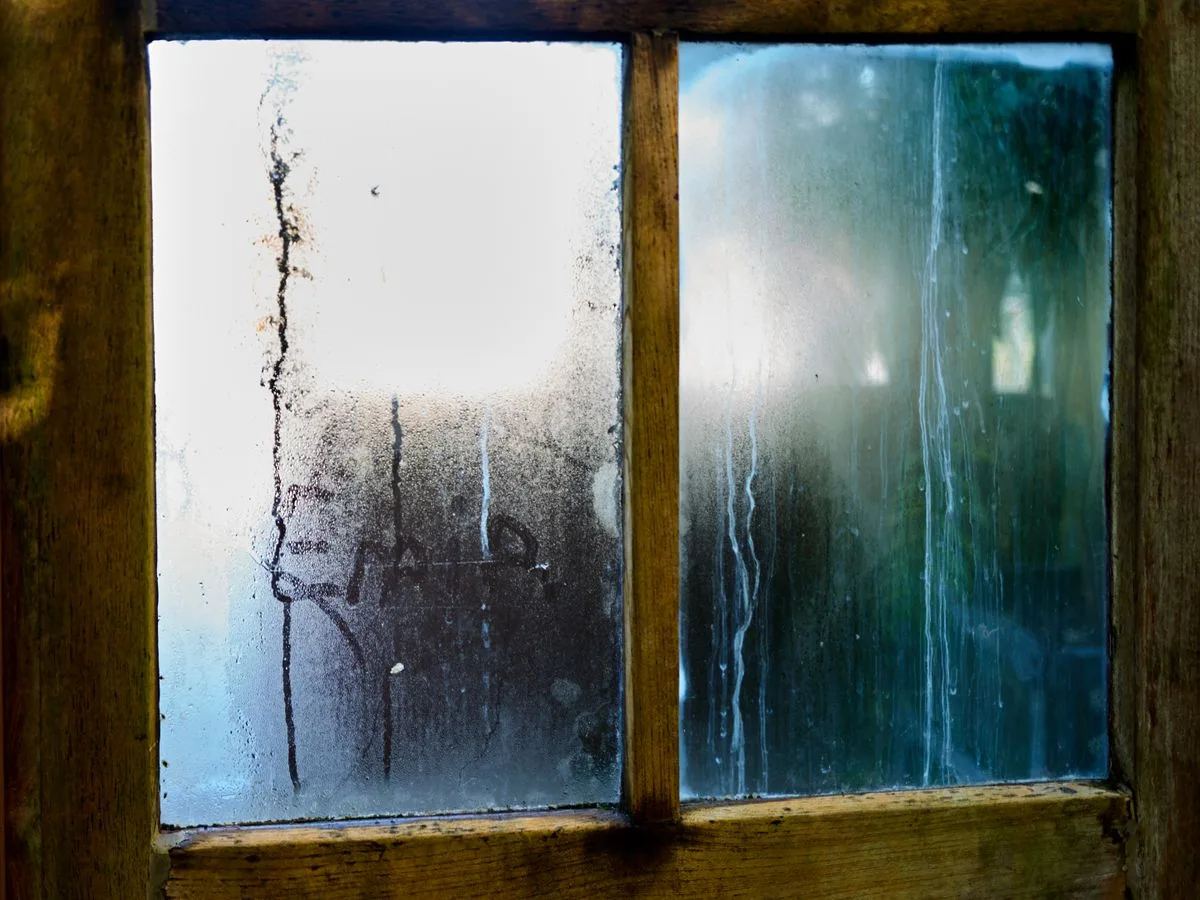
When a double-glazed unit is manufactured, the space between the panes is filled with an insulating gas (usually argon) and the unit is hermetically sealed. Over time, moisture works into the edge seal and the gas escapes. Once that happens, the insulating properties of the window drop significantly and the misting you can see is moisture trapped between the panes that can’t escape.
A misted unit cannot be repaired. The sealed unit has to be replaced. The question is whether the frame is worth keeping - if the frame is in good condition, replacing just the glass unit is considerably cheaper than a full window replacement. If the frame is also past its best, full replacement makes more sense. Our window repair service covers both options, and we’ll advise which is appropriate at the survey. Any replacement work requires a FENSA certificate - you can read about what that covers on the FENSA website.
Draughts You Can Feel From Across The Room
A draught coming from a closed window is a sign something has failed - but it’s not always the window itself that needs replacing. Draughts usually come from one of three places: worn or compressed weatherseals around the sash, hinges or locking points that no longer pull the sash tight against the frame, or the frame itself having warped or moved away from the surrounding reveal.
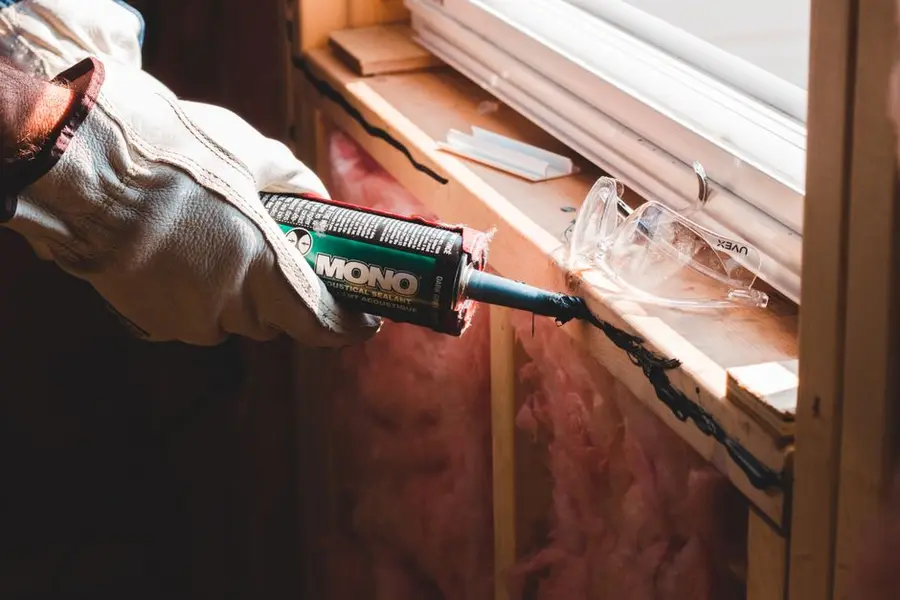
The first two are often repairable. Weatherseals compress over time and can be replaced. Hinges wear out and can be changed. Locking mechanisms fail and can be upgraded. If the repair is straightforward and the frame is otherwise in good condition, there’s no need to replace the whole window.
Where the frame has warped - particularly common with older timber frames in Exeter’s damp climate - or where the frame has pulled away from the surrounding reveal, repair becomes harder to justify. A warped frame won’t seal properly no matter how good the weatherseals are, and a frame that’s moved in the opening often indicates rot in the timber or deterioration of the fixings.
Difficulty Opening, Closing Or Locking
Windows that are stiff to open, don’t stay open properly, or are difficult to lock should be checked. Stiffness usually indicates either swollen timber (particularly after a wet Devon winter), a hinge that’s shifted or rusted, or a frame that’s dropped slightly in the opening.
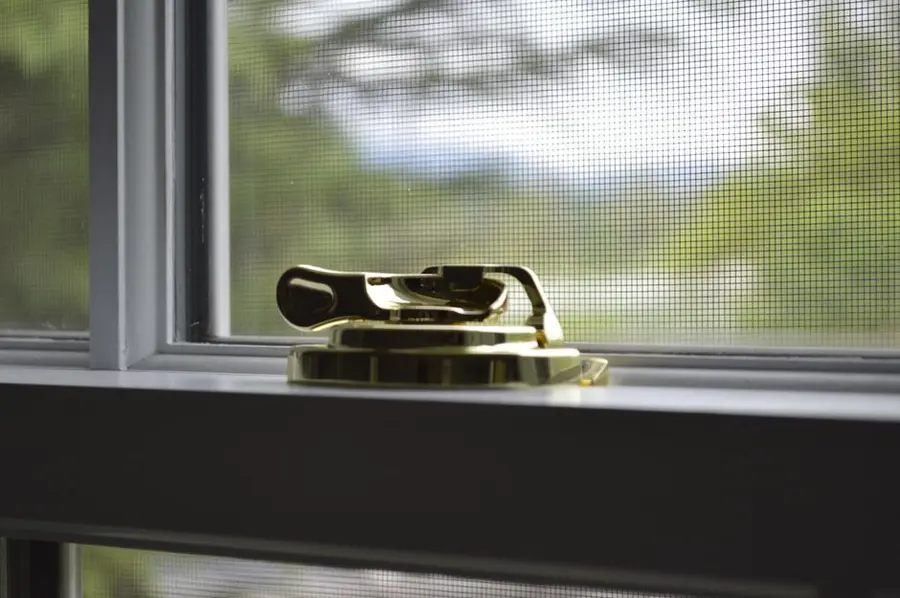
A window that won’t lock properly is a security issue as well as a thermal one - modern multi-point locking systems are significantly harder to force than older single-point locks, and a window that can’t be secured is worth addressing quickly. In most cases the mechanism itself can be replaced without needing a full window.
If stiffness is persistent across multiple windows in the same property, particularly in an older home in Heavitree, St Thomas or the 1960s and 70s estates in Pinhoe or Whipton, it may indicate that the frames have aged to a point where repair becomes a running cost rather than a one-off fix.
Rising Heating Bills Without An Obvious Cause
Windows account for a significant proportion of heat loss in a property. Single-glazed windows or older double-glazed units with failed seals can lose as much heat as an uninsulated wall. If your heating bills have been creeping up without an obvious explanation - no change in your energy tariff, no change in usage patterns - it’s worth checking whether your windows are contributing.
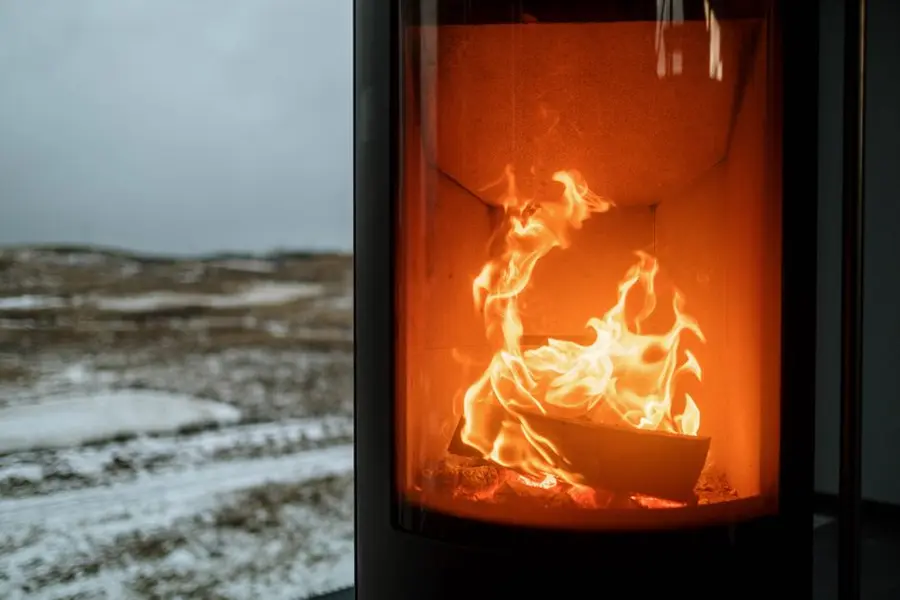
The simplest test is to hold your hand close to the glass on a cold day. If you can feel cold radiating off the glass itself (not just around the edges), the glazing unit isn’t performing. A-rated double glazing significantly outperforms older units, and the energy saving from replacing single-glazed windows is particularly noticeable in the first winter after installation. The Energy Saving Trust estimates that replacing single-glazed windows with double glazing can save a typical semi-detached household around £110-£120 per year - and several Exeter homeowners have told us they noticed the difference in their first winter heating bills.
Visible Deterioration Of Frames Or Seals
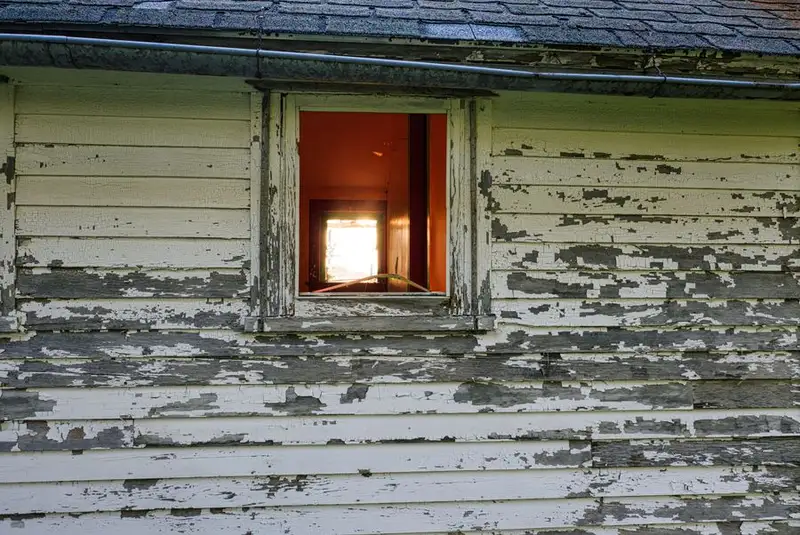
Timber frames that are flaking, peeling or showing bare wood have lost their protective coating and are absorbing moisture. Left untreated, this leads to rot - and once rot takes hold in a timber frame, the structural integrity of the window is compromised. uPVC and aluminium frames don’t rot, but they can discolour, warp at the corners (where the profile sections are welded together) or develop cracks over time.
External silicone seals - the bead of sealant between the window frame and the surrounding masonry - can crack and shrink with age, creating a path for water to get behind the frame. This can cause damp around the reveal internally, often mistaken for a roof or damp-proof course problem. If you’re seeing damp staining around window reveals inside your Exeter home, the external seals are worth checking before more expensive investigations are undertaken.
Noise From Outside Is Getting Worse
Double-glazed windows provide meaningful noise reduction compared to single glazing - typically around 25-30dB improvement. If road noise, neighbours or the general Exeter soundscape seems louder than it used to, and nothing has obviously changed externally, it can indicate that the seals have deteriorated and the acoustic performance of the window has dropped with them.

Properties on busier Exeter roads - Topsham Road, Heavitree Road, the roads around Pinhoe and the ring road - often cite noise reduction as one of the most noticeable improvements after window replacement. Acoustic double glazing, which uses different thickness panes to disrupt sound frequency, is worth considering if noise is a particular issue. Which? covers the noise reduction ratings for different glazing options if you want to understand the technical differences before getting quotes.
For an honest assessment of what window work is likely to cost in Exeter, the double glazing cost guide covers typical price ranges for repairs and full replacement across different property types.
Book a free survey to get an honest assessment of your Exeter windows
Frequently Asked Questions
How long should double glazing last in Exeter?
A well-installed double glazed unit should last 20-25 years before the sealed unit itself starts to fail. In Exeter's wetter climate - around 800mm of rainfall per year - frames and seals can deteriorate faster than the national average, particularly on exposed elevations. Properties near the Exe estuary or the coast at Exmouth may see seal failure at 12-15 years. The frame can last longer than the glass unit, so sometimes only the sealed unit needs replacing rather than the whole window.
Can I just replace the glass unit rather than the whole window?
Often yes - if the frame is structurally sound and not warped or rotten, we can replace just the sealed glass unit inside it. This is considerably cheaper than a full window replacement and makes sense when the frame itself has plenty of life left. We'll advise at the survey whether the frame is worth keeping or whether full replacement is the better long-term value.
Is condensation between window panes always a sign the window needs replacing?
Yes. Condensation or misting between the panes of a double-glazed unit means the hermetic seal has failed and the insulating gas has escaped. Once this happens the unit cannot be repaired - the sealed unit needs to be replaced. The good news is that in many cases only the glass unit needs replacing, not the whole frame.
My windows are draughty but not misted - do they need replacing?
Not necessarily. Draughts often come from worn or compressed weatherseals around the frame and sash, which can be replaced relatively cheaply as a repair. Failing hinges or locks that don't pull the sash tight against the frame can also cause draughts. A survey will establish whether the issue is repairable or whether the frame itself has deteriorated to the point where replacement makes more sense.
Do windows in Exeter need replacing more often than in other parts of England?
The south-west's wetter climate and exposure to prevailing south-westerly winds does put more stress on window frames and seals than in drier parts of England. Properties in exposed positions - hillside homes on the edges of Exeter, seafront properties in Exmouth or Dawlish - tend to see wear happen faster than sheltered properties in the city centre. That said, the main driver of replacement timing is installation quality and product quality at the time of original fitting.