
9 July 2026
Are There Grants For New Windows In Exeter? What Help Actually Exists In 2026

Type “window grants UK” into Google and you’ll find pages confidently describing schemes that no longer exist. It’s one of the most out-of-date corners of the internet, and it generates a steady stream of Exeter homeowners phoning installers to ask about free double glazing they’ve read about online. So here’s the position as it actually stands in mid-2026: the two big schemes that dominated the last few years - ECO4 and the Great British Insulation Scheme - both closed to new applications on 31 March 2026. What’s replaced them is narrower, delivered through councils rather than energy companies, and funds windows in far fewer cases. Around 14% of Devon households were estimated to be in fuel poverty in recent government figures, and it’s that group the remaining money is aimed at. For everyone else, the maths of paying for windows yourself is more favourable than the grant chase suggests.
What Closed In March 2026 And Why It Matters
ECO4 ran from 2022 and obliged the big energy suppliers to fund efficiency improvements - insulation, heating upgrades, and in some whole-house retrofits, glazing - for households on qualifying benefits living in inefficient homes. The Great British Insulation Scheme ran alongside it with a wider eligibility net but a narrower list of measures. Both schemes wound down on 31 March 2026, and any funding decisions now sit with their successors.
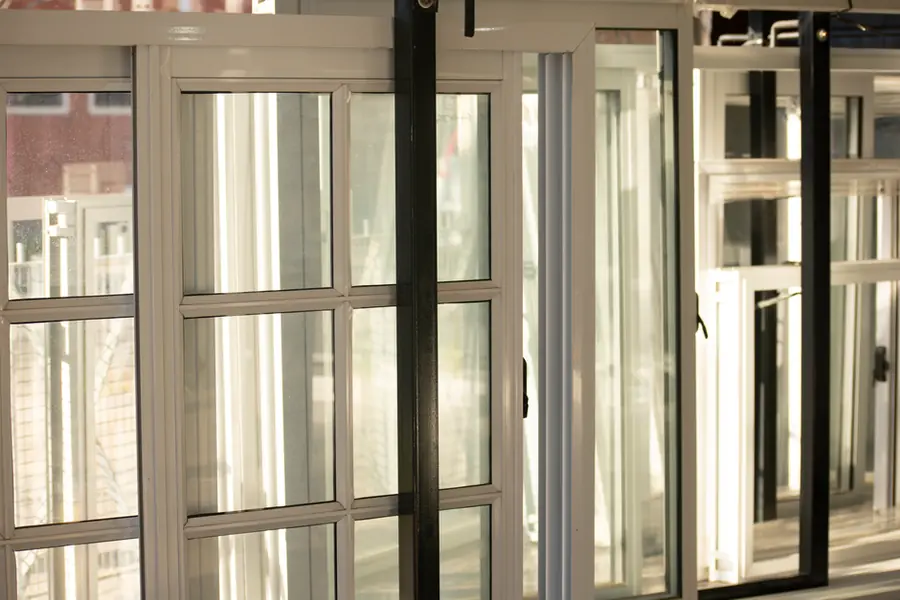
This matters because most of the “check if you qualify for free windows” content online was written during the ECO4 years and never updated. Adverts and articles still cite it as live. If a company tells you today that they can get your windows funded through ECO4, they are working from a script that expired months ago - or worse, they know it expired and are collecting your details anyway. Our guide on how to choose a window installer in Exeter covers the wider warning signs, and stale grant claims belong on that list.
The Warm Homes: Local Grant - The Main Scheme Still Running
The government’s flagship replacement is the Warm Homes: Local Grant, which launched in 2025 and runs to 2028 as part of the wider Warm Homes Plan. It funds energy performance improvements for low-income households living in homes with an EPC rating of D, E, F or G. The full scheme details are on the government’s home energy grant pages on gov.uk, which also host the eligibility checker worth using before you speak to anyone.
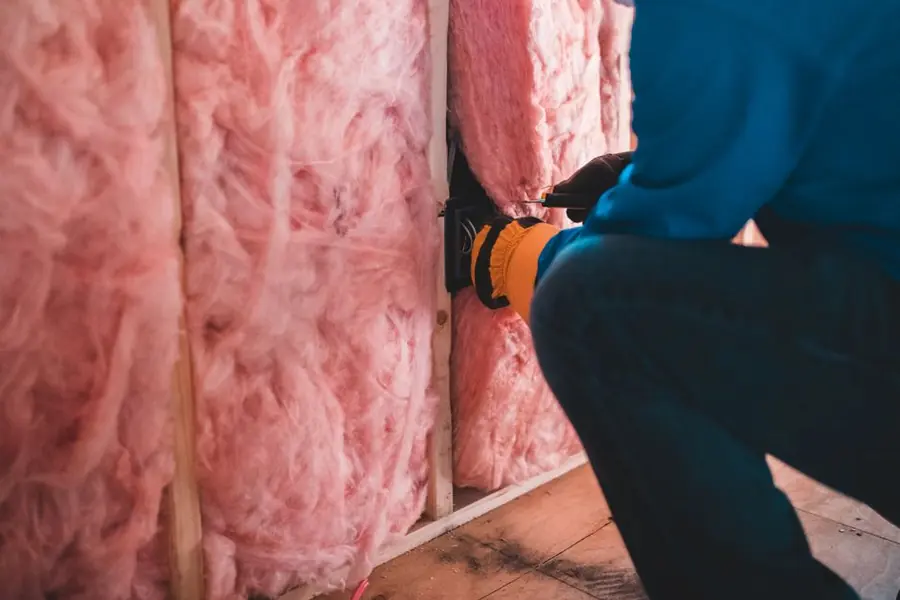
Two things Exeter applicants should understand before getting their hopes up about windows specifically. First, delivery is through local authorities - in Devon that means a county-wide consortium of councils rather than applying to central government, and each area manages its own waiting list and priorities. Second, the scheme works on a whole-house assessment. A retrofit assessor looks at the property and funds the measures that deliver the most improvement per pound, which in practice means insulation and heating measures come first. Glazing gets funded where it forms part of that wider package - usually where single glazing is dragging down an otherwise improvable property - not as a standalone “new windows” grant.
Who Actually Qualifies
The eligibility gate has two halves, and you need to pass both. The income half: the scheme targets households on means-tested benefits or below an income threshold, with some flexibility for councils to include households just outside those lines where health conditions are made worse by a cold home. The property half: the home needs an EPC rating of D or below. If your property is rated C or above, it’s out of scope regardless of income.

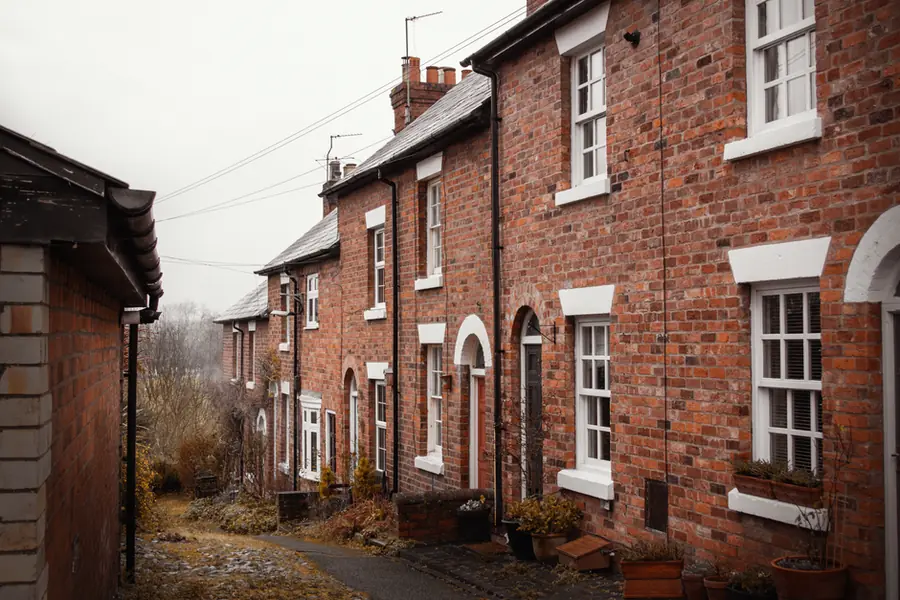
That EPC point catches people out in both directions. Plenty of Exeter’s Victorian terraces in St Thomas, Newtown and Heavitree sit at D or E, so the property test is passed more often than owners expect - you can check your current rating free on the government’s EPC register. But the income test rules out the majority of working households. If you own a £350,000 semi and both adults work, no current scheme is funding your windows, and any company implying otherwise is selling something.
Private tenants are a different case: landlords can access the scheme for qualifying tenants (with a contribution in some cases), and separately, minimum energy efficiency standards for rented homes are tightening over the coming years - so tenants in cold, single-glazed rentals have more leverage than they often realise.
The ‘Free Windows’ Adverts To Avoid
The gap between what people hope exists and what actually exists is filled by lead-generation marketing, and window funding is one of its favourite subjects. The pattern is consistent: a social media advert promising “government-backed free windows - check your postcode”, a form that collects your name, number and address, and then weeks of calls from companies you’ve never heard of. Your details were the product.

A few reliable tells. Genuine schemes never charge an upfront “eligibility check” or “survey booking” fee. Genuine schemes don’t cold-call - if someone rings you out of the blue about grant funding, put the phone down. And genuine funding in 2026 flows through your council or a registered scheme provider, both of which you can verify independently. Which? publishes practical guidance on spotting scams that applies neatly here: verify through official channels, never through the advert that found you.
One more myth to kill: replacement windows do not qualify for the 0% VAT rate on energy-saving materials that runs until March 2027. That relief covers insulation, heat pumps and solar - not glazing. Windows carry standard VAT, and a quote suggesting otherwise is a quote to walk away from.
If You Don’t Qualify: Making Self-Funding Manageable
For most Exeter homeowners the practical question isn’t “how do I get a grant” but “how do I make this affordable”. There’s more room to manage the cost than people assume.
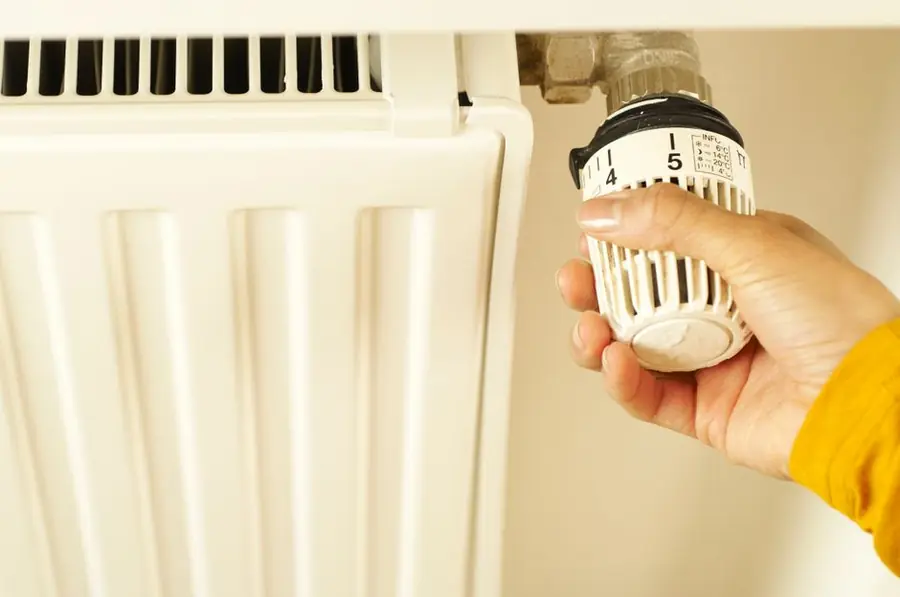
Start by replacing only what’s failed. A survey that looks at each window individually - rather than quoting for the whole house by default - often finds that half the windows have years left in them. Where frames are structurally sound and only the sealed units have misted, replacing just the glass costs a fraction of full window replacement. Phasing the work matters too: doing the worst elevation this year and the rest next year turns one large bill into two manageable ones, and it’s how a good share of our Exeter customers approach it. Prioritise the north and west-facing windows and the rooms you heat most, where failed glazing costs you the most in leaked heat.
And factor in what delay costs. A house full of failed double glazing leaks money every winter - typically £100-£200 a year in extra heating for a three-bed semi versus sound A-rated glazing, more if some windows are single glazed. That doesn’t make windows free, but over a 20-year unit lifespan it claws back a decent slice of the spend - and it’s money leaving your account every cold month you wait.
What To Do Next
If you think you might qualify for the Warm Homes: Local Grant, start with the eligibility checker on gov.uk and your EPC rating - both free, both five minutes, and both done without giving your details to a marketing company.
If you qualify, the council-led route will involve a whole-house assessment, and it’s worth pursuing even if glazing isn’t guaranteed to be in the final package.
If you don’t qualify - which will be most owner-occupiers reading this - get a survey that tells you honestly which windows need work and which don’t. We do exactly that across Exeter, Topsham, Exmouth and the surrounding towns, and we’ll quote for what the house actually needs rather than the biggest job we can describe. The double glazing cost guide sets out realistic price ranges so you know what fair looks like before anyone visits.
Book a free survey and get an honest picture of what your windows need
Frequently Asked Questions
Can I get free windows in Exeter in 2026?
For most homeowners, no. The schemes that funded glazing for eligible households - ECO4 and the Great British Insulation Scheme - both closed to new applications at the end of March 2026. The main live scheme now is the Warm Homes: Local Grant, delivered through local councils and running to 2028, which can fund energy efficiency improvements including glazing for lower-income households in energy-inefficient homes. Eligibility is tight: it targets households on lower incomes living in properties with an EPC rating of D or below.
What is the Warm Homes: Local Grant and does Exeter qualify?
The Warm Homes: Local Grant is a government scheme that launched in 2025 and runs to 2028, funding energy performance upgrades for low-income households in homes rated EPC D to G. It's delivered through local authorities rather than applied for directly with central government. Devon's councils participate through a county-wide consortium, so Exeter residents apply via the local delivery route. The scheme prioritises insulation and heating measures, with glazing considered as part of a whole-house assessment rather than funded on its own in most cases.
Do windows qualify for 0% VAT as an energy-saving measure?
No. The 0% VAT rate on energy-saving materials, which runs until March 2027, covers items like insulation, solar panels and heat pumps - but replacement windows and doors are not on the qualifying list. Standard 20% VAT applies to window installation. Any installer or advert suggesting windows are VAT-free under the energy-saving materials relief is wrong, and it's worth treating everything else they say with caution.
Are 'free window scheme' adverts on social media genuine?
Treat them sceptically. Most are lead-generation adverts run by marketing companies, not installers or councils. They collect your details against a scheme that has closed, was never real, or that you were never likely to qualify for, then sell your information to whoever pays for it. Genuine funding in 2026 flows through your local council or a registered scheme provider, and no legitimate scheme asks for an upfront fee to check your eligibility. If you want to verify what you qualify for, use the government's own eligibility checker on gov.uk rather than a Facebook advert.
What are my options if I don't qualify for any window funding?
The honest answer for most working Exeter households is that you'll be paying for windows yourself, and the decision becomes about value rather than grants. Prioritise the windows that are actually failed - misted units, rotten frames, single glazing - rather than replacing everything at once. Replacing only the failed sealed units rather than whole windows can cut the bill substantially where frames are sound. Many installers, ourselves included, offer phased work across two or three visits so the cost spreads across budgeting years rather than landing at once.