
10 August 2026
Window Security In Exeter: Locks, Laminated Glass And What To Specify
Windows account for a significant proportion of residential burglary entry points in the UK - police data consistently shows them second only to doors. Exeter isn’t immune to this: Devon and Cornwall Police’s burglary statistics for the city include a substantial proportion of entries through ground-floor and accessible windows, particularly on properties backing onto footpaths or alleys. When people replace windows and ask about security, the questions are usually about locks. But the lock is only one part of what makes a window secure or not.
Why Window Security Is More Than The Lock
A window has four potential weak points: the glass, the frame, the locking hardware, and the frame fixings into the surrounding wall. A burglar will take whichever is easiest. Specifying an excellent lock on a thin frame that can be levered out of soft mortar, or on a window with unlaminated glass that can be broken quietly and reached through, doesn’t make the window secure. Security is the sum of all four elements.
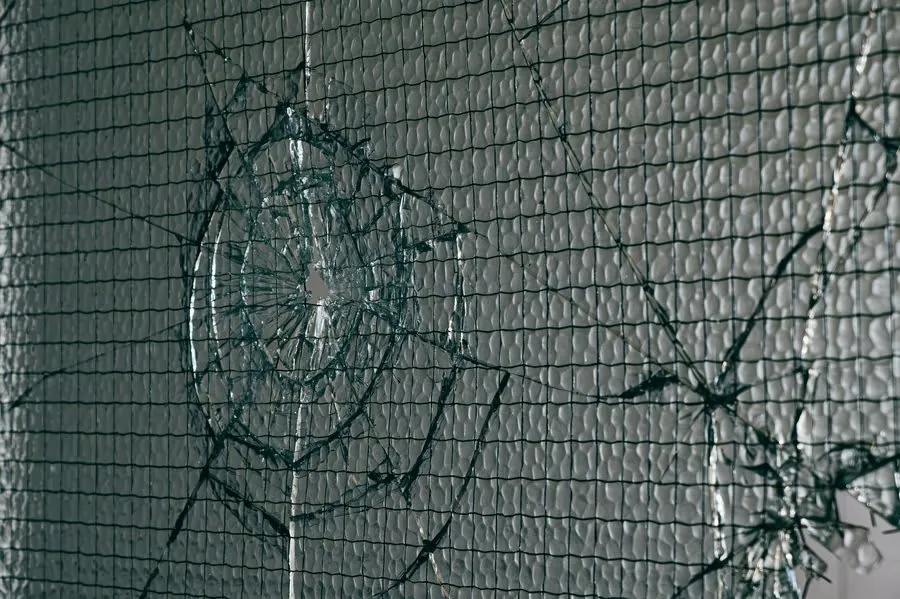
The glass is often the weakest point on older windows. Standard float glass breaks cleanly under impact and creates an opening. Laminated glass holds together even when broken because of the PVB (polyvinyl butyral) interlayer bonded between the panes - it takes sustained effort to create an opening through a broken laminated pane, which is usually long enough to attract attention. Toughened safety glass breaks into small pieces and doesn’t hold the pane together. It’s safer from an injury perspective but is not a security glass.
The frame matters more than most people realise. Modern welded uPVC frames are resistant to lever attack in a way that older frames, particularly early uPVC with mechanical corner joints, were not. The fixings into the surrounding wall are also tested in security-rated products - a frame that’s inadequately fixed into soft mortar can be levered bodily out of the opening regardless of what the lock does.
The lock controls the sash relative to the frame. On older windows, a single-point espagnolette lock holds the sash at one point. On modern windows, multi-point locking engages three to five points simultaneously - the sash is pulled tight against the frame at the top, bottom, and middle, making prying the sash open dramatically harder.
Multi-Point Locking: What It Is And What To Expect

Multi-point locking is standard on most replacement windows sold in England today. A single handle operation engages the locking mechanism at multiple points simultaneously - typically mushroom-headed bolts that locate into keeps in the frame, with additional locking bolts at top and bottom of the sash. When the handle is lifted and locked, the sash is held at three to five points around its perimeter.
The quality of the multi-point mechanism varies. Mid-market products use mechanisms from manufacturers like Yale, Maco, or Siegenia, which are reliable and well-supported. Very cheap windows sometimes use lesser mechanisms with lower-grade keeps. The keep - the part fixed into the frame that the bolt locates into - is as important as the bolt itself: a keep that pulls out under lateral load isn’t doing its job.
Anti-lift pins or blockers are a feature worth specifying, particularly on sliding patio doors and sash windows. Without an anti-lift device, a sliding door or sash can sometimes be lifted off its track or out of its sill from outside, bypassing the lock entirely. Good products include this as standard; it’s worth confirming it’s present.
Keyed locking is a variation that some insurers require. A key-locked handle means the handle can only be lifted when unlocked with a key. It adds security - someone who breaks the glass can’t reach in and operate the handle - but also inconvenience, particularly on windows used regularly for ventilation. Many Exeter homeowners specify standard multi-point locking (which satisfies most insurers) on most windows, with key-locked handles only on ground-floor accessible windows that aren’t in daily use.
Laminated Glass: When It’s Worth Specifying
Laminated glass holds together when broken. Break a standard float glass pane and it creates an opening in a single blow. Break a laminated pane and the PVB interlayer holds the cracked glass together - creating an opening requires sustained effort, repeated blows, and noise. For a ground-floor window that’s accessible and not overlooked, that difference in forced-entry time is meaningful.
The security-relevant specification is laminated glass on the outer pane of the double-glazed unit. This is the pane that would be attacked. Some products laminate the inner pane instead - this is done for acoustic or safety reasons rather than security. Confirm which pane is laminated when security is the driver.
The situations where laminated outer glass is worth specifying in Exeter:
Ground-floor windows on side returns and rear elevations that back onto footpaths, alleys, or gardens not overlooked from the street. The Victorian terraces in Heavitree and St Thomas frequently have side passages and rear accesses that create exactly this exposure. A kitchen or utility window on a side return is a classic target.
Low-level glazing panels in or adjacent to external doors. A panel within arm’s reach of a door handle can be broken to reach in and open the door. Laminated glass in these panels removes that attack route.
Windows on ground-floor rooms with valuable contents near the window - a home office with visible equipment, a front room with electronics visible from the street.
The cost premium for laminated outer glass is typically £30-60 per window on a standard replacement. On a targeted basis - three or four windows with genuine exposure - that’s a modest addition to the overall job cost.
PAS 24 And Secured By Design: What The Standards Actually Mean
PAS 24 is a British Standard for enhanced security in domestic windows and doors. A window that carries PAS 24 certification has been independently tested against a defined set of attack methods - lever attack on the frame, lock drilling, glass removal techniques, and frame fixings - and passed all of them. The test is physical, not a paper assessment.
Part Q of the Building Regulations requires PAS 24 (or equivalent) for windows and doors on new dwellings. For replacement windows on existing homes it’s not a legal requirement, but it’s the most reliable way to verify that a window performs to a meaningful security baseline. An installer who can’t confirm whether their windows carry PAS 24 is usually offering a product that doesn’t.
Secured by Design is the police-backed initiative run by the Association of Chief Police Officers. A Secured by Design product has met PAS 24 (or a higher standard) and the manufacturer has been audited by the scheme. It’s a useful additional marker, particularly because the audit covers the manufacturer’s quality system as well as the product test. Devon and Cornwall Police’s safer homes guidance consistently references Secured by Design as the recommended standard for replacement windows and doors.
The practical difference between a PAS 24 window and one described as “high security” without certification is considerable. “High security” is a marketing term with no fixed meaning. PAS 24 is a tested standard. When comparing quotes, ask specifically: is this window PAS 24 certified? A straightforward yes or no is the right answer.
Which Windows In An Exeter Property Need The Most Attention
Not every window presents the same risk. A second-floor bedroom window on a sheer front elevation with good street visibility is not a significant burglar target. A ground-floor kitchen window on a side return with no overlooking is a different matter. Thinking through which windows are actually accessible and overlooked helps focus the security specification where it matters.
Ground-floor windows on rear and side elevations are the primary concern on most Exeter properties. The Victorian and Edwardian terraces in Heavitree, St Thomas, and Pennsylvania characteristically have side passages that give access to the rear without being visible from the street - rear-facing ground-floor windows on these properties are genuine security priorities.
First-floor windows over flat roofs are a less obvious but real vulnerability on some Exeter properties, particularly where extensions have created flat roof areas accessible from a rear garden or outbuilding. A first-floor window that’s reachable without a ladder needs the same security consideration as a ground-floor window.
Skylights and roof lights are an occasionally overlooked entry point on older Exeter properties with accessible roofs. Modern roof lights include multi-point locking as standard; older ones may not.
Conservation area properties in Exeter sometimes have original or secondary-glazed sash windows that present different security challenges from modern casements. Original sash windows often have only sash locks at the meeting rail, with no anti-lift device. Adding sash locks, sash bolts at the top and bottom of each sash, and a sash stop that limits how far the lower sash can be raised are all practical retrofits that significantly improve the security of an otherwise unmodified original window.
What To Ask When Getting A Window Replacement Quote
Security specification is worth raising during the quotation process rather than after the windows are ordered, because most of it is determined at the manufacturing stage and can’t be added later.
PAS 24 certification: ask for it directly by name. The answer should be a clear yes, ideally with a product name or brochure reference you can verify. “High security” without a named standard isn’t the same thing.
The locking mechanism and its manufacturer are worth knowing. Maco, Yale, Roto, and Siegenia are the names you’re likely to hear on a well-specified product. An unnamed mechanism from an unnamed supplier is worth a follow-up question.
Laminated glass - confirm whether it’s included or an upgrade on your quote. If it’s an upgrade, it’s worth adding on the windows with genuine exposure. The premium is usually £30-60 per window, which is modest relative to the overall job.
Frame fixings are harder to verify by asking, but a good installer will raise frame fixing as part of the installation conversation. Inadequate fixings into crumbling mortar are a real failure mode on Exeter’s older brick and stone properties - ask what fixings they use and into what substrate.
Our window installation team fits security-specified windows across Exeter, including PAS 24 certified products with laminated glass options. If you want specific advice on which windows on your property need the closest attention, get in touch to arrange a site visit.
Frequently Asked Questions
Are new double glazed windows more secure than old ones?
Usually yes, significantly so. Windows fitted before 2000 often have single-point espagnolette locks - one locking point activated by a handle that can sometimes be popped with a screwdriver or knife blade. Modern replacement windows have multi-point locking as standard - typically three to five locking points along the height of the sash, all engaged by a single handle lift. The frames themselves are also more resistant to physical attack because the welded uPVC or aluminium construction and the way the frame is fixed into the surrounding wall makes lever and crowbar attack much harder. A window fitted to current standards is not a simple forced-entry target.
What security rating should windows have in Exeter?
PAS 24 is the security standard that matters for residential windows in England. A PAS 24 window has been independently tested against specific attack methods - lever attack, lock drilling, glass removal, and frame attack - and passed. Part Q of the building regulations requires PAS 24 for new dwellings and some relevant extensions, but it's also worth specifying on replacement windows for existing homes where security is a priority. Secured by Design is the police-endorsed scheme that uses PAS 24 (or higher) as its baseline and adds a manufacturer audit. Both are meaningful markers. A window described only as 'high security' without a named standard is not the same thing.
Should I specify laminated glass for security on Exeter windows?
For specific applications, yes. Laminated glass has a PVB interlayer that holds the glass together when it's broken - the pane cracks but doesn't collapse into an opening. For a ground-floor window accessible from a quiet side return or a rear garden that isn't visible from the street, laminated glass on the outer pane adds a meaningful delay to forced entry. For most windows on visible front elevations, the deterrent effect of multi-point locking and visible hardware is sufficient. Laminated glass is also the standard specification for windows that are near doors and might be broken to reach an internal handle, and for low-level glazing panels in doors. The cost premium is typically £30-60 per window.
Do window locks need to be insurer-approved in Exeter?
Some home insurance policies in the UK require windows to have key-operated locks, particularly on ground-floor and accessible windows, as a condition of cover. The specific requirement varies by insurer - some ask for key locks, some for multi-point locking, some for a recognised security standard. It's worth checking your policy wording before ordering replacement windows, and confirming with your installer that the specified windows meet the insurer's requirements. Key-operated locks on casement and sash windows add a layer of security but also a practical inconvenience - many Exeter homeowners opt for multi-point locking as a compromise that satisfies most insurers without requiring a key for everyday ventilation.