
2 September 2026
Conservatory Too Hot In Summer And Too Cold In Winter: Exeter Fixes
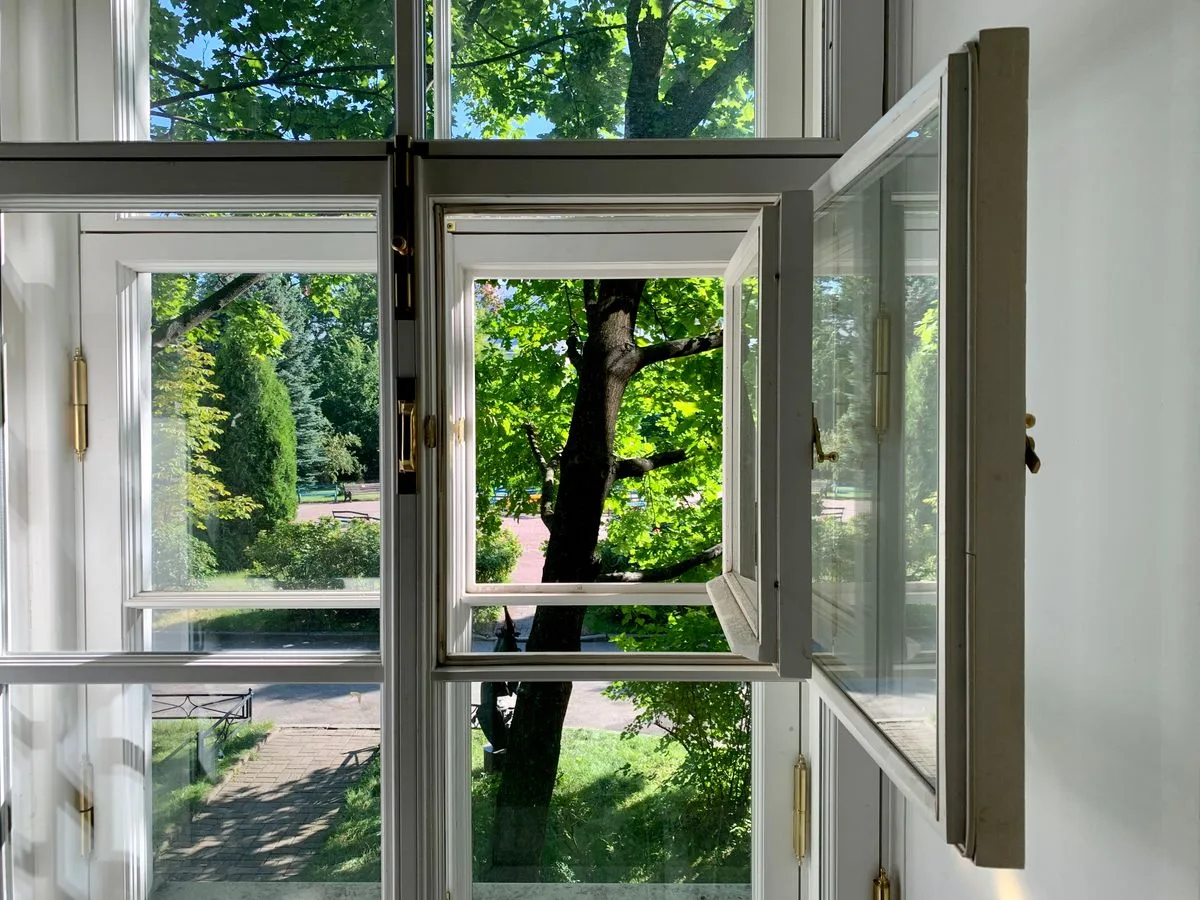
The standard Exeter conservatory story goes like this. It was added sometime between 1995 and 2010, it has a white uPVC frame and a multiwall polycarbonate roof, and for about four months of the year it is the best room in the house. For the other eight it is either a sun trap you cannot sit in past ten in the morning or a cold store where the dining table has quietly become a place to keep boxes. Nobody uses it, everybody feels vaguely guilty about it, and the assumption is that fixing it means knocking it down. It usually does not. The problem is almost always the glazing, and the glazing is the part you can change.
The Room You Paid For And The Room You Use
A conservatory is a heat exchanger with furniture in it. Sun goes in through the glazing as short-wave radiation, warms everything it touches, and the heat that radiates back off those surfaces is a longer wavelength that the old glazing does not let out again. That is the greenhouse effect operating on your dining chairs.
South Devon gets somewhere in the region of 1,600 to 1,750 hours of sunshine a year, which puts Exeter among the sunnier parts of England despite its reputation for drizzle. A south or west-facing conservatory here will hit uncomfortable temperatures in April, well before anyone thinks of it as summer, and stay that way until late September.
Winter reverses it exactly. The same glazing that would not hold heat out in June cannot hold it in during January, and because the room is often separated from the house by a set of doors, the heating rarely reaches it in any meaningful way. The fixes for both problems live in the same place, which is why upgrading the double glazing in a conservatory tends to solve two complaints with one job.
Why The Roof Does Most Of The Damage
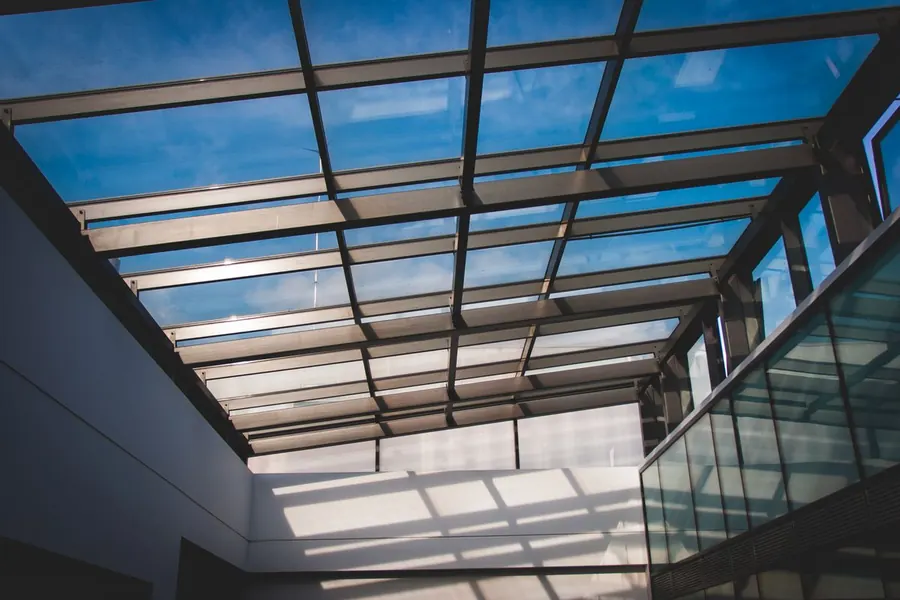
Look at a lean-to conservatory from the side and count the surfaces. On a typical three by three metre lean-to, the roof accounts for roughly a third to a half of the total envelope, and it is the surface pointing at the sun for most of the day. Wall glazing is vertical, so it only catches direct sun for part of the day and at a shallow angle. The roof catches it more or less continuously.
Then there is what the roof is made of. Multiwall polycarbonate was the standard fit for years because it is light, cheap and easy to span with a slim frame. Thermally it is poor: 16mm sheet sits at roughly 2.6 W/m²K, and even 35mm multiwall only gets you to about 1.7. A current low-emissivity sealed glass unit will be near 1.0 to 1.2.
Polycarbonate has an acoustic problem too, and this is where Exeter’s weather matters. Rain on a polycarbonate roof is loud enough to end a conversation, and with the city seeing rain on well over 130 days a year that is a lot of afternoons when the room is off limits for a different reason entirely.
What Winter Does To A Polycarbonate Conservatory
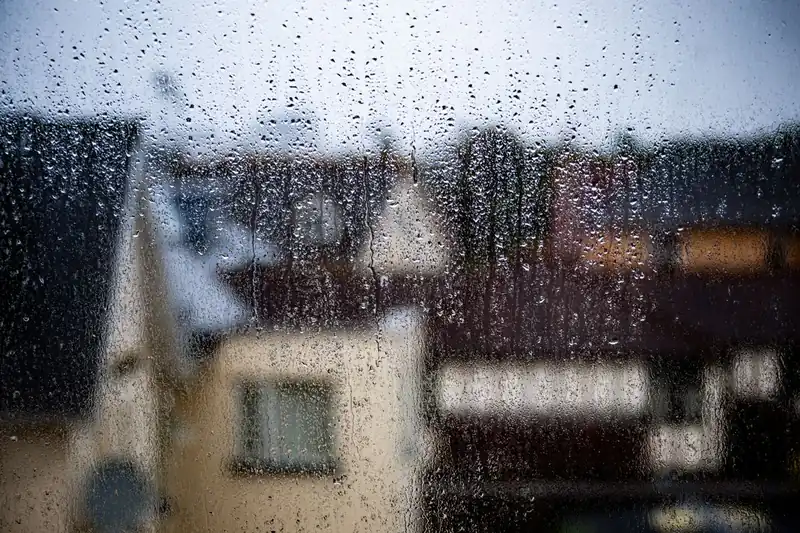
Exeter winters are mild and wet rather than cold and dry, and that combination is worse for a conservatory than a hard frost would be. Persistent damp plus a cold internal surface produces condensation, and condensation in a room nobody ventilates produces mould on the frames, the blinds and whatever is stored in there.
The cold pit effect is the other half of it. Glass and polycarbonate both drop close to outside temperature overnight, air in contact with them cools and falls, and you get a slow cold draught rolling across the floor even with the doors shut. It is why a conservatory at 16 degrees on a thermometer feels colder than a lounge at 16 degrees.
Bolting a radiator on rarely fixes this, and if the conservatory is on the house heating circuit without its own controls, you are heating a badly insulated box with the boiler that is meant to be heating your home. Sorting the glazing first and the heating second is the right order, because the second decision gets much cheaper once the first one is made.
Solar Control Glass: What It Does And What It Does Not
Solar control glass carries a microscopically thin metal oxide coating that reflects and absorbs a large share of the sun’s infrared energy while letting most visible light through. The number to ask about is the g-value, sometimes called solar factor: a plain double glazed unit is around 0.7, meaning roughly 70 per cent of solar energy gets in, while a good solar control roof unit will be nearer 0.25 to 0.35.
What it does not do is make the room cool. It reduces the rate at which heat builds up, which turns an unusable room into a warm one, but a glass box in direct sun in July is still going to be the warmest place in the house. Anybody promising air-conditioned comfort from a glass swap is overselling.
Self-cleaning outer panes are worth considering on a roof specifically, because nobody enjoys getting up a ladder over a conservatory. The coating breaks down organic dirt in daylight and lets rain sheet it away, which in a city that gets as much rain as this one is a feature, not a gimmick. Which? conservatory reviews and buying advice is a reasonable independent starting point if you want to compare product claims before speaking to anyone.
The Frames And Doors Around The Glass
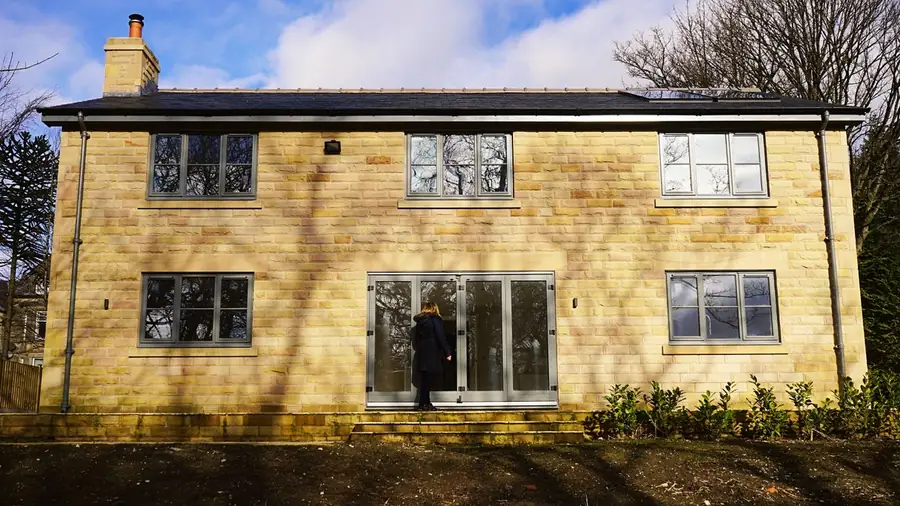
Glazing gets all the attention, but on a conservatory approaching thirty years old the frames are often the weaker link. Early uPVC systems used shallow chambers and simple gaskets, and after decades of thermal movement the seals harden, the drainage slots block and the units start losing their argon fill.
The doors between the conservatory and the house matter more than most people realise. If they seal properly, the conservatory behaves as a buffer zone and your heating bill stays where it should. If they have dropped on their hinges and the brush seal has worn through, the room becomes a hole in the side of your house that you heat by accident all winter.
Aluminium has become the common upgrade for conservatory openings around Exeter, mostly because slimmer sightlines suit a room that exists to be looked out of, and a modern polyamide thermal break gets the performance close enough to uPVC to stop being an argument. Either way, whoever quotes should be measuring the existing frame’s ability to carry a heavier glass roof before they promise you one - sealed glass units weigh considerably more than the polycarbonate coming off.
Where Building Regulations Come Into It
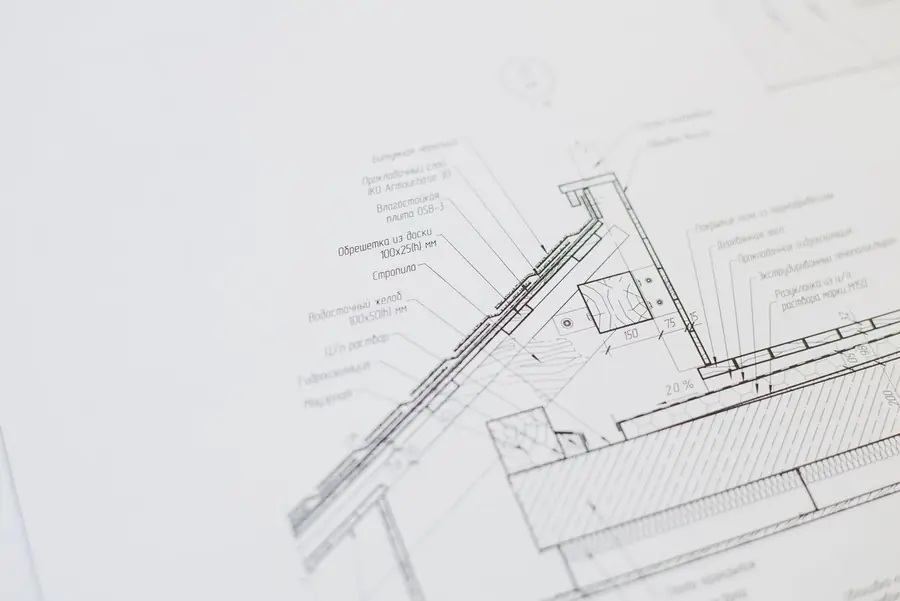
A conservatory is exempt from most building regulations when it meets a specific set of conditions: built at ground level, under 30 square metres of floor area, separated from the house by external-quality windows or doors, glazed in accordance with the safety glazing requirements, and with any heating in it independently controlled. The government’s guidance on building regulations for conservatories sets out the conditions in plain terms.
Stay inside that exemption and a like-for-like glazing upgrade is straightforward. Step outside it and things change quickly. Swapping a glazed roof for a solid or tiled one is the usual trigger, because at that point the room is an extension rather than a conservatory and structural, thermal and sometimes ventilation requirements all apply. Building control for the city sits with Exeter City Council, and neighbouring towns fall to their own authorities - East Devon for Exmouth, Sidmouth and Honiton, Teignbridge for Dawlish and Newton Abbot, Mid Devon for Tiverton and Crediton.
Planning permission is a separate question and rarely an issue for glazing work alone, though it becomes one in conservation areas such as St Leonard’s or on a listed building. The Planning Portal guidance on conservatories covers the permitted development limits on size and height if you are adding rather than upgrading. If your conservatory has a lantern or a roof light rather than a full glazed roof, our post on roof lanterns and skylights in Exeter deals with that side of it.
The Cheap Fixes Worth Trying First
Not everything needs a glazier. Before spending four figures, there are three things worth ruling out.
Ventilation is the first and the most neglected. A conservatory needs cross-ventilation, not one open door - air has to be able to enter low on one side and leave high on the other. Roof vents or opening top lights make a measurable difference on a still day, and a lot of Exeter conservatories were built with only one or two openers to save money.
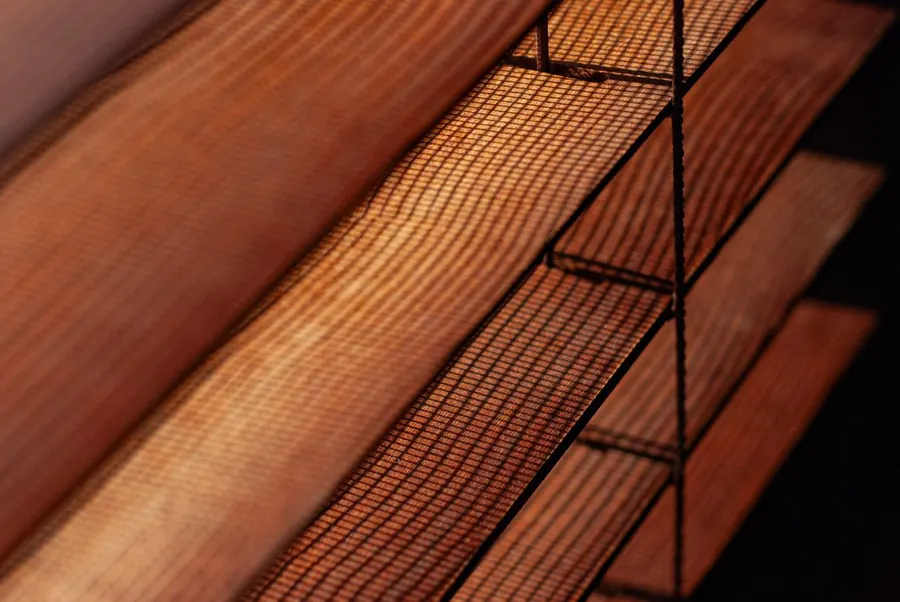
Roof blinds are the second, and they work, but they are expensive for what they are, they collect dust, and they remove the view that justified the room in the first place. Treat them as a supplement to better glass rather than a substitute for it.
Third, check the obvious maintenance. Blocked drainage channels in the frame, a failed gasket on the ridge, silicone that has parted from the wall abutment - these cause damp and draughts that get blamed on the glazing spec. A competent survey should look at all of it before anyone quotes for glass.
What It Costs In Exeter, And What Order To Do It In

Guide figures, and only that - the frame condition and access change them a lot. Swapping a polycarbonate roof for solar control sealed glass units on a three by three metre lean-to generally lands somewhere in the £2,000 to £3,500 range. Replacing the conservatory’s wall glazing and doors as well is more typically £4,000 to £8,000 depending on the number of openings and whether you go uPVC or aluminium. A full conversion to a solid tiled roof, with the building control application that comes with it, is usually £7,000 upwards.
The order that gets the most out of the least money is fairly consistent: fix the ventilation and the seals, then do the roof, then do the frames and doors if they still need it. Doing the roof first is what changes whether the room is usable, and quite often it is enough on its own.
Across the enquiries Window Installers Exeter deals with, conservatory work spikes twice a year - once in the first proper warm week of spring and once around the first cold snap - which tells you most people react to the room instead of planning for it. Booking in the quieter months between those two rushes gets you a better slot and a less hurried survey.
If your conservatory has become storage rather than a room, get someone to look at what the roof is made of before you write it off. Get a free quote in Exeter and ask specifically for the roof to be assessed separately from the frames.
Frequently Asked Questions
Why does my Exeter conservatory get so hot when the rest of the house is fine?
Because it is mostly roof, and the roof is the part facing the sun. A lean-to conservatory can have half its total surface area overhead, and old multiwall polycarbonate does very little to stop solar gain - it lets heat straight through and then traps it, which is exactly how a greenhouse works. South Devon also gets more sunshine hours than most of England, and a south or west-facing conservatory in Exeter will still climb into the thirties on a bright day in May before the outside temperature has got anywhere near that. Wall glazing contributes, but the roof is usually responsible for the bulk of it.
Is it worth replacing a polycarbonate conservatory roof with glass?
For most Exeter conservatories, yes, and it is the single change that alters how the room feels. A modern sealed glass roof unit with a low-emissivity coating and argon fill will typically sit somewhere around 1.0 to 1.2 W/m²K, against roughly 1.7 to 2.6 for the polycarbonate it replaces depending on its age and thickness. Add a solar control coating and you are also rejecting a large share of the summer heat, not just slowing the winter losses. It costs more than a like-for-like polycarbonate swap and it needs the existing frame checked for the extra weight, but it is the difference between a room you use twice a year and one you use most of it.
Do I need building regulations approval to upgrade my conservatory in Exeter?
It depends on what you change. A conservatory that is under 30 square metres, at ground level, separated from the house by external-quality doors or windows and with its own heating controls is normally exempt, and swapping glazing like for like within that exemption does not usually trigger a notification. Replace the glazed roof with a solid or tiled one and the picture changes - the room stops behaving like a conservatory and building control will want to see it, because thermal and structural requirements now apply. Exeter City Council handles building control for the city, and a call before you commit is cheaper than a fix afterwards.
Will solar control glass make my conservatory dark?
Less than people expect. Modern solar control coatings are selective, meaning they block a large proportion of the infrared heat while still letting most of the visible light through, so the room stays bright but stops feeling like a car park in August. There is usually a faint tint when you look at the glass from outside at an angle, and some products carry a slight blue or neutral cast. Compared with the alternative, which for most people is drawing blinds across the entire roof and losing the view completely, the trade-off is a comfortable one.