
9 July 2026
How To Stop Condensation On Your Windows In Exeter

If you’re wiping your windows down every morning between October and March, you’re in good company - condensation is probably the single most common window complaint we hear across Exeter. Devon’s climate is the reason it’s worse here than in most of England. Exeter gets around 800mm of rain a year against a UK average of 680mm, and the mild, wet air rolling in off the Atlantic keeps humidity high right through winter. Damp air plus cold glass equals wet windows. Condensation is fixable, though. The fix depends entirely on where the moisture is sitting. Condensation on the inside surface, on the outside, and trapped between the panes are three different problems with three different solutions - and only one of them means your windows have actually failed.
The Three Types Of Condensation And What Each One Means
Before spending any money, work out which type you have. Condensation on the inside surface of the glass - the kind you can wipe off with a cloth - is a humidity and ventilation issue. Your windows are fine; your indoor air is carrying more moisture than it can hold when it touches cold glass.
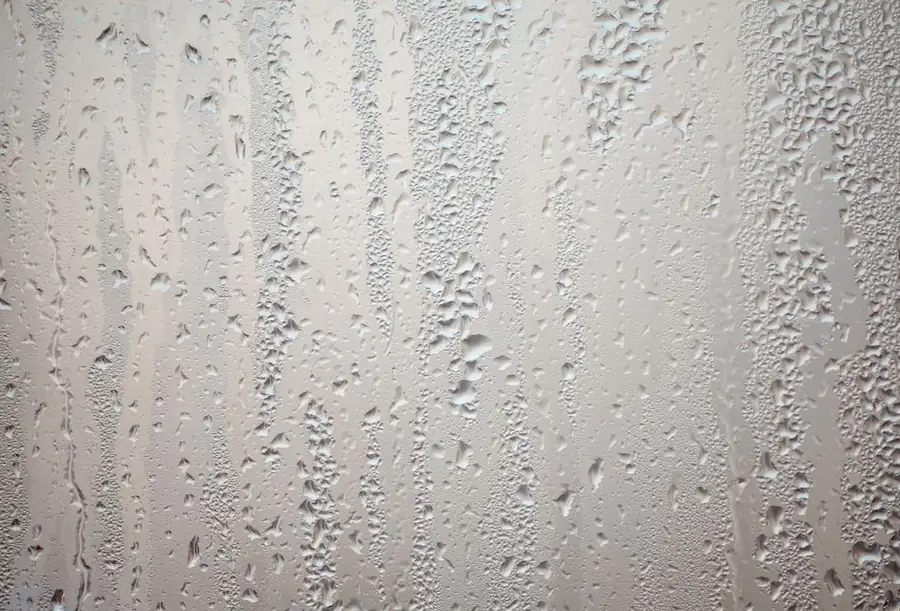
Condensation on the outside of the glass is the odd one out: it’s a sign of a good window. The glazing is retaining heat so well that the outer pane stays cold, and dew forms on it just as it does on a parked car. It clears by mid-morning and needs no action at all.
Condensation between the panes - misting you can’t wipe from either side - is the one that matters. It means the sealed unit has failed: the edge seal has broken down, moisture has got in, and the insulating gas has escaped. Our window repairs service replaces failed sealed units across Exeter, often without needing to replace the frame, which keeps the cost well below a full window replacement.
Why Exeter Homes Get It Worse Than Most
The condensation equation has two inputs: how much moisture is in the air, and how cold the surfaces are. Exeter scores badly on both through winter. The prevailing south-westerly weather carries moist Atlantic air across Devon for most of the season, so the baseline humidity indoors starts higher than in the drier east of England. Then the housing stock does its bit - Victorian and Edwardian terraces in Heavitree, St Thomas and Newtown have solid walls with no cavity, which run colder than modern insulated walls and pull the whole room temperature down around the window reveals.
Older properties also tend to have been draught-proofed over the years - sensible for heating bills, but every blocked-up chimney and sealed gap removes a route for moist air to escape. Plenty of Exeter terraces are now far more airtight than their Victorian builders intended, with none of the mechanical ventilation a modern airtight house would have. The moisture has nowhere to go, so it finds the coldest surface in the room. That’s the glass.
Where All That Moisture Actually Comes From
A typical household of four produces somewhere in the region of 10 to 15 litres of water vapour every day, which surprises most people. Breathing and sweating alone account for a couple of litres. Cooking adds up to three litres a day, especially boiling pans without lids. A single shower puts around half a litre into the air, and a bath slightly more.

The biggest single offender in winter is drying laundry indoors. One load of washing releases around two litres of water into your rooms as it dries - and in an Exeter winter, with outdoor drying off the table for months, most households are doing several loads a week over radiators. If your condensation is worst in the room where the clothes airer lives, that’s not a coincidence. Portable gas heaters are another one worth mentioning: they produce roughly a litre of water vapour for every litre of fuel burned, and we still see them in use in older properties around the city.
Ventilation: The Cheapest Fix And The Most Ignored
You can’t stop a household producing moisture, but you can give it an exit route before it reaches the glass. The habits cost nothing. Keep bathroom and kitchen doors closed while showering or cooking so the moisture stays in one room, and run the extractor fan during and for 15 minutes afterwards. Crack a window in the bedroom overnight if it’s safe to do so - bedroom windows are usually the worst affected in the house because two people breathe out moisture all night into a sealed room with the heating off.
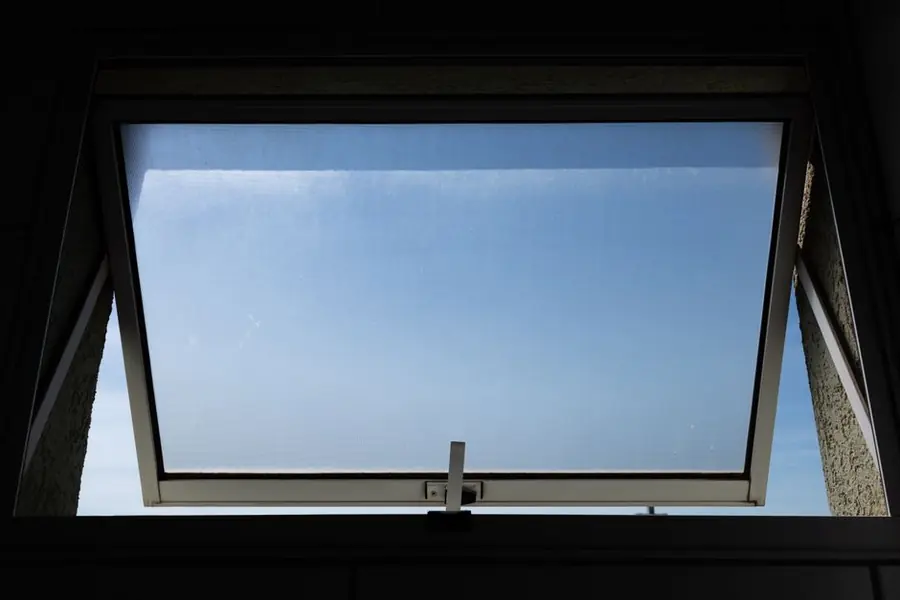
If your windows have trickle vents - the small slotted vents in the top of the frame - open them and leave them open. They exist precisely for this, providing constant background airflow without a meaningful heat penalty, and a remarkable number of the homes we visit have them taped over or painted shut. Building Regulations have required background ventilation with replacement windows for years, so any window fitted recently should have them. The Energy Saving Trust’s windows and doors guidance covers the balance between ventilation and heat retention in more detail.
A dehumidifier is the next step up. For £150-£250 you get a machine that pulls litres of water out of the air per day, and running one overnight in the worst-affected room typically shows results within the first week. In a damp Devon winter, many households run one more or less permanently from November to February.
When Condensation Turns Into Mould
Persistent condensation isn’t just an annoyance - left alone, it becomes a health issue. Water pooling on cills and running down into the frame joints feeds black mould, which typically appears first in the corners of the glass, along the gasket line, and on the wall around the window reveal.
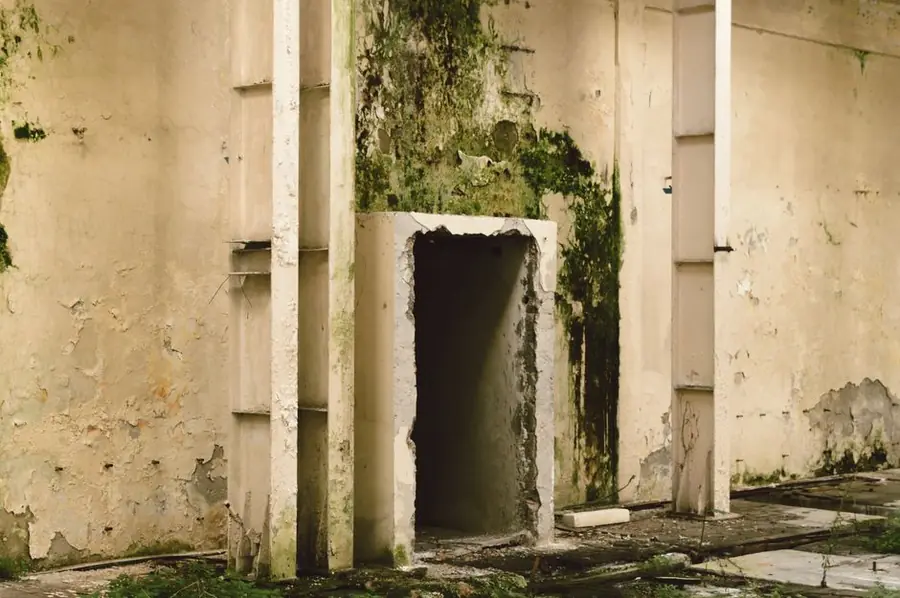
Mould spores aggravate asthma and respiratory conditions, and children and older people are most affected. The government’s guidance on damp and mould health risks is blunt about the seriousness of prolonged exposure, and since 2025 landlords have faced legal duties under Awaab’s Law to deal with damp and mould hazards in rented homes promptly. If you’re renting in Exeter and condensation mould keeps returning despite reasonable ventilation, that’s worth knowing.
On timber windows, sustained condensation does structural damage too. Water sitting on the bottom rail and cill soaks into the joinery and starts rot, which is expensive to reverse. Wiping windows down daily helps, but it’s treating the symptom - if a window streams with water every single morning, the underlying cause needs fixing.
What New Windows Actually Change
Replacing old glazing attacks the cold-surface half of the equation. On single glazing, the inner surface of the glass in winter sits close to the outside temperature, which is why single-glazed windows in Exeter’s older terraces stream with water from October onwards. On a modern A-rated double-glazed unit, the argon-filled cavity and low-emissivity coating keep the inner pane close to room temperature - moisture in the air has nowhere cold to settle.

The same applies to old double glazing that has quietly failed. Once the gas has escaped from a sealed unit, its insulation drops sharply and the inner pane runs cold again - so a 1990s window with failed units can suffer condensation almost as badly as single glazing. If your double glazing is 20-plus years old and the condensation has crept back over recent winters, the units themselves are the likely cause. We covered the typical failure timeline in our guide to how long double glazing lasts in Exeter - Devon’s wet climate pushes seal failure earlier than the national average, particularly on south and west-facing elevations.
New windows also come with trickle vents as standard, so the ventilation side improves at the same time. Between the warmer glass and the background airflow, most customers who replace failed units tell us the morning wipe-down routine simply stops.
Getting It Sorted Before Next Winter
The sensible order of attack: fix the free stuff first - lids on pans, extractor fans on, trickle vents open, laundry habits adjusted. Add a dehumidifier if the problem persists. But if the misting is between the panes, or your windows are old enough that the glass runs cold no matter what you do, the window itself is the problem and no amount of ventilation will change that.
Summer is the right time to deal with it. Installers are quieter, lead times are shorter, and the work is done before the damp season starts - by the time the October rain arrives, the problem is already solved. A free survey will tell you whether you’re looking at a few replacement sealed units or full windows, and what each would cost.
Book a free survey and stop the morning wipe-down for good
Frequently Asked Questions
Why do my windows get condensation every morning in Exeter?
Overnight, the temperature of the glass drops while the moisture in your indoor air stays roughly constant. When warm, humid indoor air touches the cold glass, the moisture condenses onto the surface. Exeter's climate makes this worse than in most of England - the city gets around 800mm of rainfall a year and Devon's winter air carries high humidity, so indoor moisture levels start higher and windows stay colder for longer. Morning condensation on the inside surface of the glass is a ventilation and humidity issue, not necessarily a window fault.
Is condensation between the panes a sign my double glazing has failed?
Yes. Condensation trapped between the two panes of glass - where you can't wipe it from either side - means the hermetic seal of the sealed unit has broken down. Moisture has worked its way in and the insulating gas has escaped. The unit can't be repaired at that point; the glass needs replacing. The frame itself is often still fine, so in many cases just the sealed unit is swapped rather than the whole window.
Does condensation on the outside of windows mean something is wrong?
No - external condensation is actually a sign the window is working well. It means so little heat is escaping through the glass that the outer pane stays cold enough for dew to form on it, exactly as it does on a car windscreen. It's most common on modern A-rated units on still, clear mornings in autumn and spring, and it clears on its own as the day warms up.
Will a dehumidifier stop window condensation?
It helps significantly with surface condensation. A dehumidifier pulls moisture out of the indoor air, so there's less of it available to condense on cold glass. For a typical Exeter home, running one in the worst-affected room overnight during winter makes a visible difference within days. It won't do anything for condensation between the panes, though - that's a failed sealed unit and no amount of dehumidifying the room will reach it.
Can new windows stop condensation completely?
New A-rated double glazing largely eliminates internal surface condensation because the inner pane stays much warmer, giving moisture nowhere cold to settle. Modern units also come with trickle vents that provide constant background ventilation. But no window can remove the moisture your household produces - if a home generates a lot of humidity and has no ventilation, even new glazing can see some condensation in extreme conditions. Windows fix the cold-surface half of the problem; ventilation habits fix the moisture half.