
8 September 2026
Replacing Windows In A Flat In Exeter: Who Decides, Who Pays, Who Signs It Off
Flat window projects in Exeter go wrong in the same order every time. Someone gets three quotes, picks one, pays a deposit, and only then finds out that the windows belong to the freeholder, that the block is already part-way through its own replacement programme, or that flats have none of the permitted development rights a house takes for granted. Windows in a leasehold flat involve three separate approvals from three unrelated sources - your lease, the planning system and building control - and each can be checked in an afternoon if you know it exists. Roughly one in six flat enquiries we take needs the lease read before we can even sensibly quote. This is the order to do it in.
Your Flat Is Not A House, And Planning Law Knows It
Householders replacing windows in a house in Whipton or Exwick benefit from permitted development rights, which allow a great deal of window work with no application at all. Those rights come from Part 1 of the General Permitted Development Order, and Part 1 applies to dwellinghouses. Flats and maisonettes are excluded from it.
That exclusion surprises people, because the practical outcome is often the same. A straight like-for-like replacement that does not materially affect the external appearance of the building is generally not development in the first place, so no permission is needed regardless of permitted development rights. The difficulty is the phrase “materially affect”. Change white frames to anthracite, replace timber sashes with uPVC casements, alter the opening pattern or lose the glazing bars, and you are into territory where the council may take the view that permission was required.
The Planning Portal covers the general position on planning permission for doors and windows, and Exeter City Council’s planning team will confirm your specific case. In the conservation areas - St Leonard’s, Pennsylvania, the Cathedral and city centre, Topsham, parts of Heavitree - assume the answer is stricter than you would like and check first. For a flat inside a listed building the position is different again, and our guide to windows in listed buildings in Exeter covers that route.
Read The Lease Before You Read Any Quotes

The lease decides whether the windows are yours at all. There are two common arrangements and one messy middle ground.
Where the windows sit within your demise, you own them, you maintain them, and you pay for them - subject to any consent the lease requires for alterations. Where the windows form part of the structure retained by the freeholder, they are not yours to touch, and the freeholder is obliged to maintain them and entitled to charge the cost through the service charge.
The messy middle ground is where a lot of Exeter flats sit, particularly the Victorian and Edwardian villas around St Leonard’s, Pennsylvania and Newtown that were carved into two, three or four units at various points since the 1960s. Those leases were often drafted quickly, and they say things like “the glass in the windows” without addressing the frames, or make you responsible for internal decoration while leaving the exterior undefined. If the clause is ambiguous, the practical route is to ask the freeholder or managing agent in writing what their reading of it is, and keep the reply.
The government’s overview of leasehold property rights and responsibilities is a good starting point if you have never had to interpret a lease before. If your building is managed by a residents’ management company or a right to manage company, the people you need to convince are your neighbours, which is generally easier than convincing an absentee freeholder.
Getting Consent Without Getting Stuck

Where the lease requires the landlord’s consent for alterations, that consent is usually formalised as a licence to alter. It is a short legal document recording what you are allowed to do and on what terms.
Where a lease requires consent for improvements, statute prevents that consent being unreasonably withheld, so a freeholder cannot refuse a sensible like-for-like upgrade out of pure indifference. You will normally be asked to cover their reasonable legal and surveyor fees for granting it, though. Budget for that at the start rather than meeting it as a surprise at the end.
Make the application easy to say yes to. Send the specification, not the sales brochure: frame material, colour and RAL reference, opening configuration, glazing specification, and a photograph of the existing window alongside a drawing or image of the proposed one. Freeholders refuse vague requests and approve precise ones, because their concern is nearly always visual consistency across the building rather than the window itself.
And if four flats in a converted villa all want new windows, apply together. It is faster than four separate applications and it usually costs each of you less, because the installer sets up once.
When The Block Does The Work: Section 20 And Service Charges
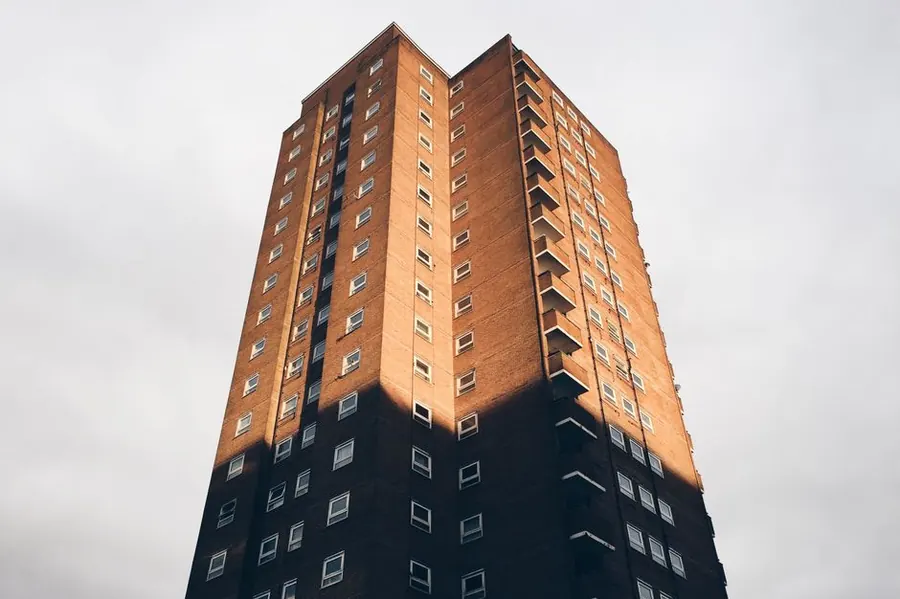
In purpose-built blocks, and in any building where the windows are retained by the freeholder, replacement is usually a block-wide project funded through the service charge.
That triggers a statutory process. Section 20 of the Landlord and Tenant Act 1985 requires the landlord to consult leaseholders before qualifying works where any single leaseholder’s contribution would exceed £250. Window replacement across a block clears that threshold on the first flat, so the consultation is not optional.
It runs in stages: a notice of intention with 30 days for observations and contractor nominations, a second notice with estimates and another 30 days, and a statement of reasons if the landlord does not go with the lowest tender. A landlord who skips it can recover no more than £250 from each leaseholder, which is a powerful incentive to follow the steps properly.
The practical consequence for you is time. Three months from first notice to scaffolding is a fair expectation, and blocks with a reserve fund shortfall can take considerably longer while the money is raised. If your own windows are letting water in now, that is the point to ask the managing agent whether you can replace yours at your own cost ahead of the programme, on the understanding that the specification matches whatever the block eventually adopts.
Conservation Areas Change The Answer, Not Just The Paperwork
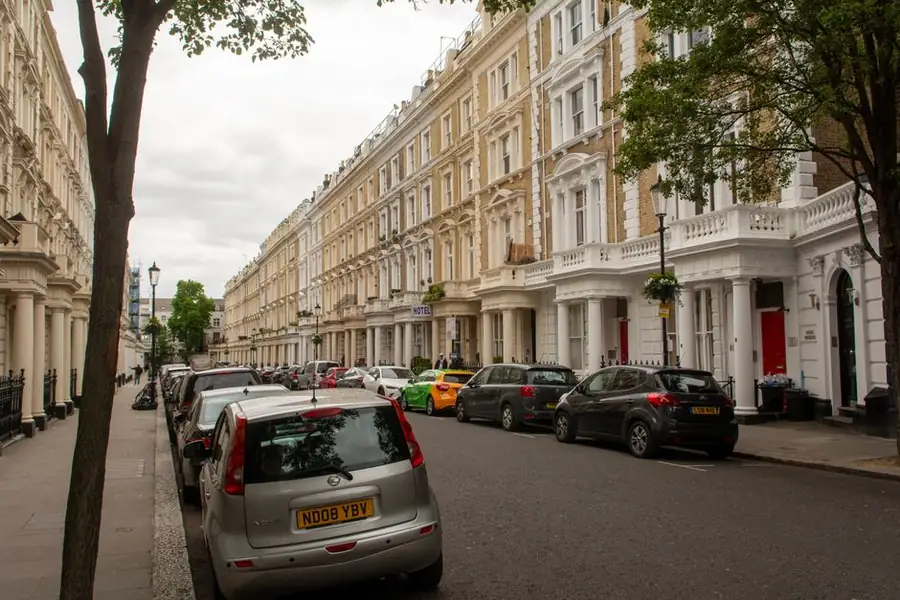
Exeter has a substantial stock of flats inside period buildings, and a good share of them sit in designated areas where appearance is controlled.
Two constraints stack here. The lease or freeholder will want the block to look uniform, and the planning position will want the building to keep its historic character. Those usually point the same way, towards slim sightlines, the original opening pattern, and sashes that stay sashes. Where they conflict - a freeholder happy with uPVC in a conservation area, say - the planning position wins, because consent from your landlord is not permission from the council.
This is where flats in converted houses can end up better served by keeping and upgrading what they have. Draught-proofing an original sash, adding secondary glazing behind it, or replacing a single failed sealed unit rather than a whole frame all avoid the consent question entirely while still fixing the problem. Our page on secondary glazing covers where that route works well, and it is frequently the fastest answer for an upper-floor flat in a controlled area.
Building Regulations Do Not Care Who Owns The Window
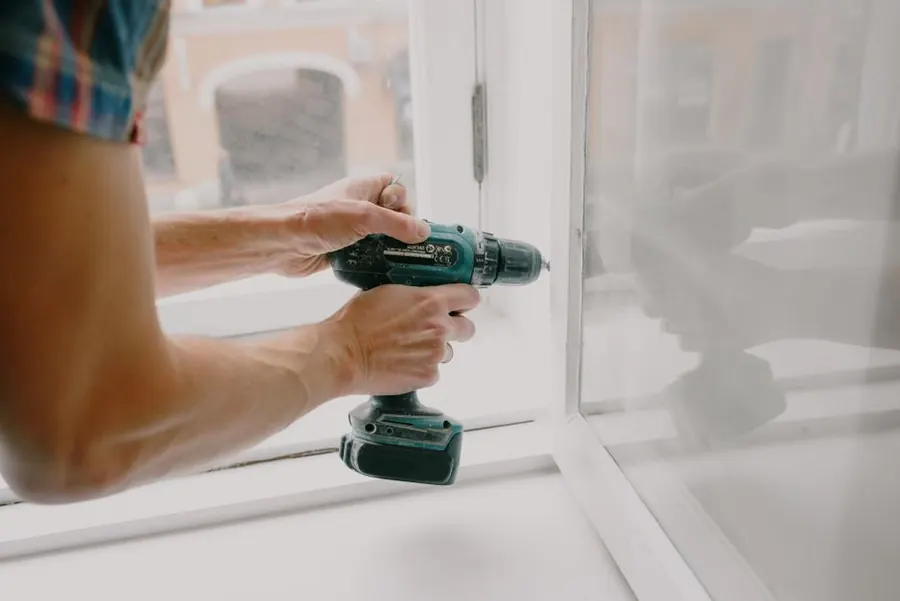
Whatever the lease says and whoever pays, the installation itself is controlled work under the building regulations. It must be either self-certified by an installer registered with a competent person scheme, or notified in advance to Exeter City Council’s building control team.
The technical requirements are the same as for a house. Replacement windows need to meet the energy standard set in Approved Document L, safety glazing applies in critical locations such as low-level panes and anything beside a door, and background ventilation has to be maintained where the existing windows provided it. Flats bring one addition: escape and fire safety in a block depends on the building’s overall strategy rather than on individual windows, so an opening that formed part of that strategy should not be changed without checking what it was doing.
Height introduces one more layer. In a building of at least seven storeys or 18 metres with two or more dwellings, the building control route is not the standard local authority one, and competent person scheme coverage cannot be assumed. Very few Exeter blocks reach that threshold, but if yours does, that question belongs at the start of the conversation.
Access, Neighbours And Timing
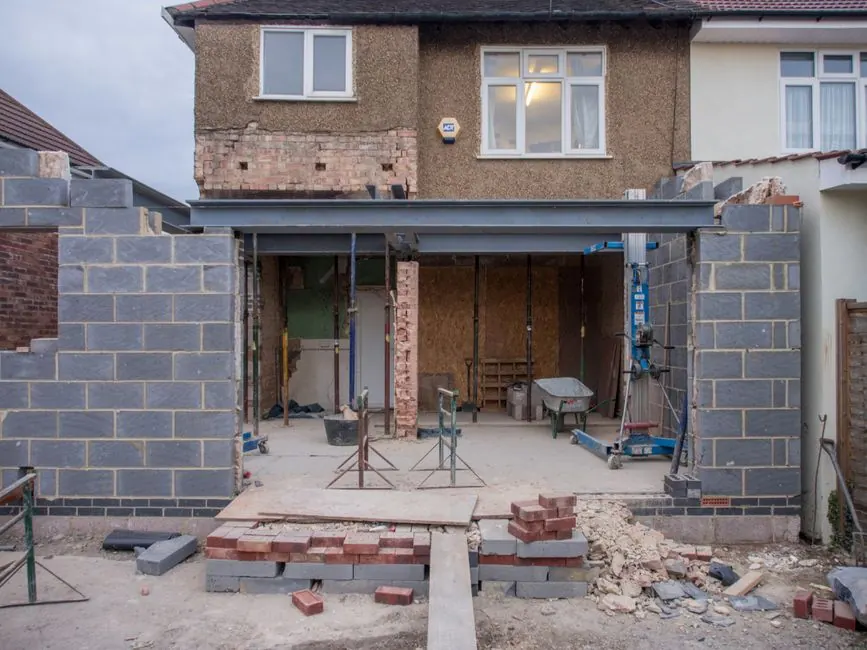
The last set of obstacles are physical rather than legal, and they are the ones that move dates.
Upper-floor windows in a block usually need external access. Some can be fitted entirely from inside, particularly tilt and turn units designed for exactly this situation, but many cannot, and scaffolding on a communal elevation needs the freeholder’s agreement, a plan for the affected parking, and often notice to every household it passes. Flats over a shared entrance or a walkway may need a licensed pavement structure as well.
Then there is the block’s own rhythm. Managing agents commonly restrict works to weekday hours, some buildings ban work during university term changeover when the city’s rental churn peaks, and lifts in taller blocks may need protecting or booking. None of these stop a job. All of them add days if you find out about them on the morning the van arrives.
Get the order right and none of this is difficult. Read the lease, ask the freeholder, check the planning position with the council, then get quotes against a specification everybody has already agreed to. Do it the other way round and you pay a deposit on windows you may not be allowed to fit. If you want help working out which of these apply to your building, get a free quote for your Exeter flat and we will survey it before anyone orders anything.
Frequently Asked Questions
Do I need permission to replace the windows in my Exeter flat?
Usually yes, and possibly twice over. The first permission is contractual. Your lease decides whether the windows are yours to replace at all, and where they are part of the retained structure the freeholder controls them. Even where they sit inside your demise, most leases require landlord consent for alterations to the exterior. The second permission is planning. Permitted development rights under Part 1 of the General Permitted Development Order apply to houses and are not available to flats or maisonettes, so the fallback householder allowances that let a Whipton semi swap its frames freely do not exist for you. A genuine like-for-like replacement that does not materially affect the external appearance is generally not development at all and needs no application, but anything that changes the material, the colour, the opening pattern or the glazing bars can cross that line. Ask Exeter City Council before ordering, not after.
Who pays for new windows in a leasehold flat?
It depends on where the lease draws the boundary. If the windows form part of the structure retained by the freeholder, the freeholder arranges the work and recovers the cost through the service charge, spread across the block. If the windows are demised to you, they are yours to maintain and yours to pay for. Many older Exeter leases on converted houses are ambiguous, referring to the glass but not the frames, or to internal decoration without saying who owns the timber. Where the cost is coming through a service charge and any leaseholder will be billed more than £250, the freeholder must run a Section 20 consultation first. Skipping it caps what they can recover from each leaseholder at £250, which is why well-run blocks consult properly.
What is a Section 20 consultation and how long does it take?
Section 20 of the Landlord and Tenant Act 1985 requires a landlord to consult leaseholders before carrying out qualifying works where any one leaseholder would contribute more than £250. For a window replacement across a block that threshold is met immediately. The process runs in stages: a notice of intention with a 30-day period for observations and for leaseholders to nominate contractors, then a notice with estimates and a further 30-day period, then a statement of reasons if the cheapest quote is not chosen. Allowing three months from first notice to work starting is realistic, and longer if the block is large or the managing agent is slow. If your windows are failing and you cannot wait, that timescale is the argument for asking whether you can do your own flat separately at your own cost.
Does a flat still need a FENSA certificate for replacement windows?
Yes. Replacement windows in a flat are controlled work under the building regulations exactly as they are in a house, so the installation must either be self-certified by an installer registered with a competent person scheme such as FENSA or Certass, or notified to Exeter City Council building control. The certificate is what your buyer's solicitor will ask for. One extra check applies to taller blocks: in a building of at least seven storeys or 18 metres containing two or more dwellings, the regulatory route differs, and not every competent person scheme covers work in higher-risk buildings. Exeter has only a handful of blocks at that height, but if yours is one of them, confirm the scheme's coverage before the installer starts.