
2 September 2026
Replacing Windows In Stages Or All At Once In Exeter
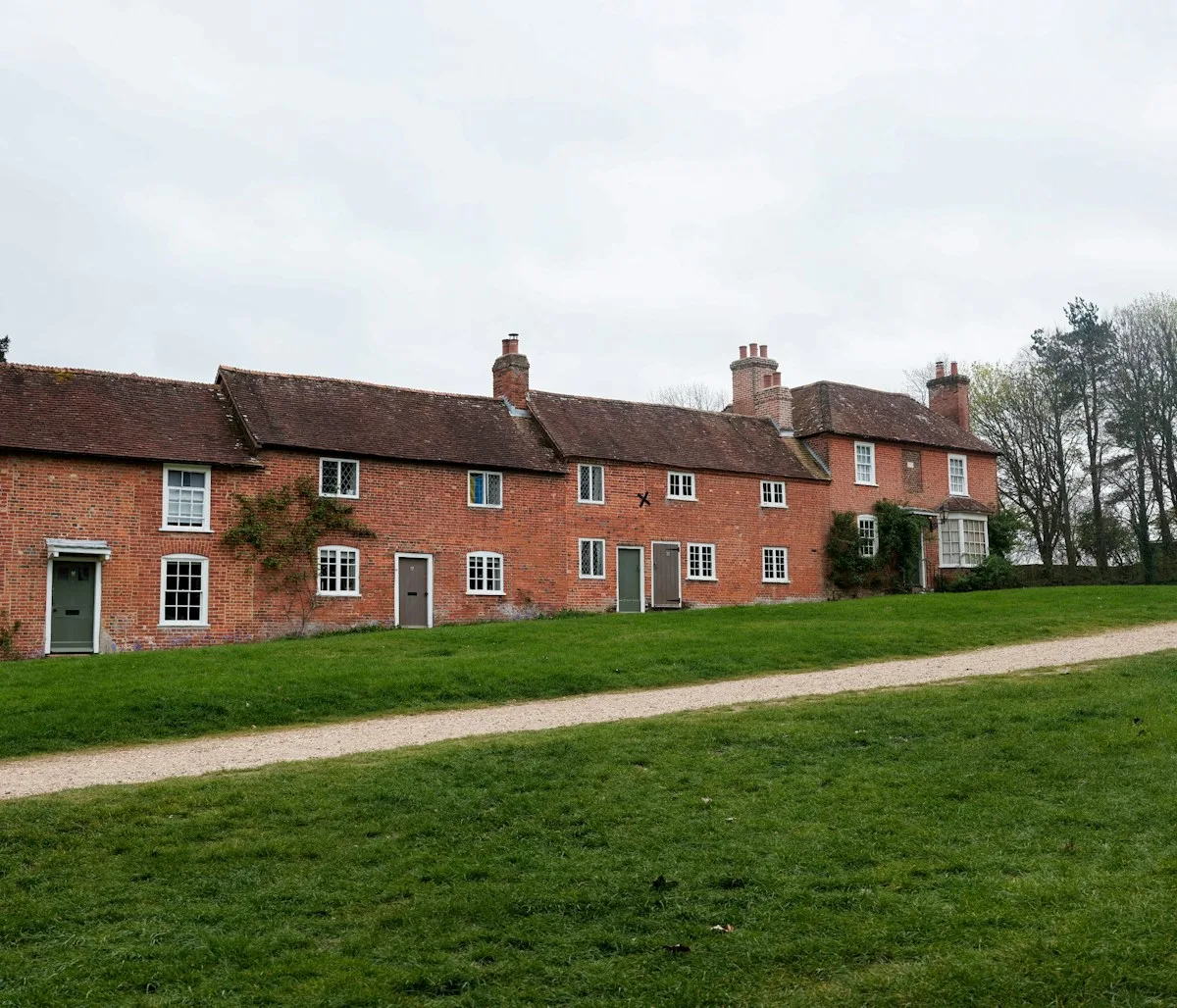
Most people in Exeter who ask about phasing their windows are not really asking about windows. They are asking whether it is reckless to spend £6,000 in one afternoon, and whether spreading it across three summers costs them anything beyond patience. It is a fair question and there is a real answer, because the arithmetic on a split job is not subtle. A whole-house order for a three-bed semi here sits somewhere between £3,500 and £7,000 in white uPVC. Break that into three visits and you can add roughly 20 to 30 per cent to the total, mostly in costs that get charged again each time a van turns up. Whether that premium is worth paying depends less on the money than on which of your windows are on their last legs.
What A Staged Replacement Looks Like In An Exeter House
Phasing rarely means one window at a time. In practice it means elevations. A typical Heavitree or Newtown terrace gets done as front, back, then whatever is left - two or three openings per visit, a year or eighteen months apart. Larger 1930s semis out towards Pinhoe and Whipton tend to split upstairs and downstairs, because the upstairs frames on those houses are often the original small casements and the downstairs has already been butchered once in the 1990s.
The pattern matters because the cost gap between phases and single windows is enormous. Three visits of three windows is a manageable premium. Nine visits of one window is a different project entirely, and no installer will price it kindly.
If you already know you want the whole house done and are only debating the calendar, the practical question is about the diary, not the money, and our window installation page covers how the survey and lead time work either way.
The Fixed Costs You Pay Again Every Time You Split The Job

There are four costs on a window job that barely move whether you order two frames or twelve. The survey is one - somebody still drives out, measures every opening to the millimetre and writes it up. The delivery is another, because a manufacturer charges much the same to send one rack to Exeter as three. Then there is waste: old frames and sealed units go to a licensed transfer station, and a part-full van costs the same as a full one. And finally the day itself, since a two-man team booked for a morning still occupies a morning.
Add those together and you are looking at something in the region of £250 to £450 of fixed cost per visit before a single frame is fitted. Do the job in three phases and you pay that three times.
There is a fifth cost that people forget: your own time. Three separate surveys, three sets of quotes to compare, three lots of furniture moved away from walls, three mornings at home. It is not money, but it is not nothing either.
When Doing It Worst-First Is The Right Call

There is one situation where phasing wins outright, and it is the common one. If three windows in the house are failing - rot in the timber, a sealed unit that has misted through, a frame you can move with your thumb - and the rest have another eight or ten years in them, replacing everything at once means throwing away serviceable windows to buy a matching set.
Worst-first also protects you from the trap of a whole-house order made under pressure. Somebody who has been quoted £8,000 and can afford £3,000 does not have to choose between debt and doing nothing. They can do the failing elevation properly, with a decent system and a proper survey, and come back to the rest.
The judgement call is whether a window is failing or just tired. A frame that is draughty round the edges is often a seal problem rather than a replacement job. A frame with soft timber at the bottom of the jamb is on a clock, and every wet Exeter winter it sits through makes the eventual repair to the reveal more expensive.
Matching Frames Three Years Apart Is Harder Than It Sounds
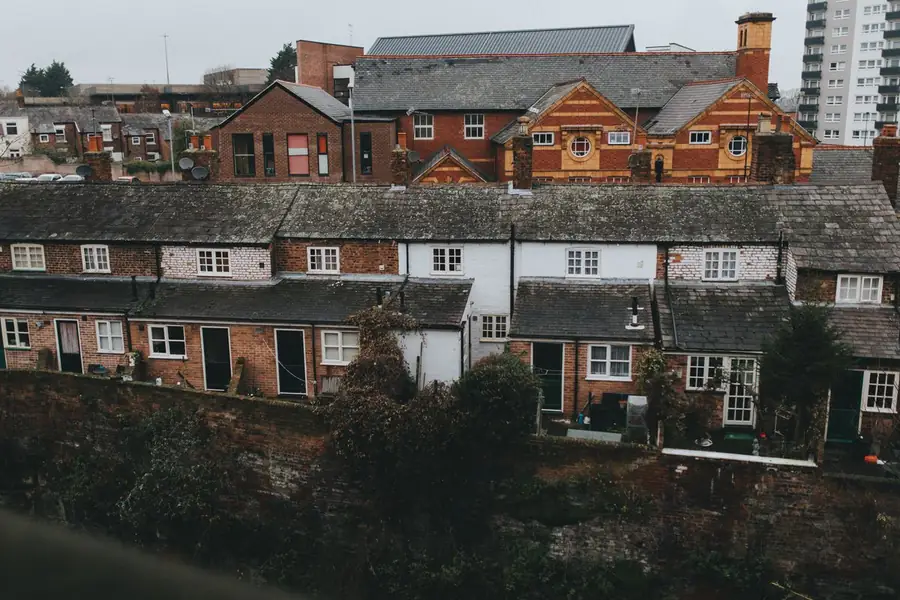
White uPVC is forgiving. Colour is not. Anthracite grey has been the default choice around Exeter’s newer estates for years now, and foiled finishes vary between production batches in a way that white simply does not. Put a 2026 grey frame next to a 2023 grey frame on the same elevation and there is a reasonable chance you will see it, particularly on a south-facing wall where the older one has had three summers of UV.
Hardware drifts too. Handle ranges get discontinued, hinge profiles get updated, and the flush casement you loved in phase one may have been superseded by the time you order phase three.
None of this is fatal. It just means a phased job needs a decision made once and written down: manufacturer, system name, colour reference, handle range, glazing spec. Take a photo of the quote page that lists all of it. Your future self, standing in front of a surveyor three years from now, will be glad of it.
Certificates, Guarantees And Paperwork When The Job Comes In Pieces

Every notifiable window replacement gets registered with a competent person scheme, and that registration is per job, not per house. Three phases means three certificates and three guarantee start dates, which is worth understanding before you get to the point of selling.
Guarantees are the sharper edge of it. A ten-year insurance-backed guarantee on phase one runs out three years before the one on phase three, so the oldest windows in the house are also the first to fall out of cover. If a firm has closed in the meantime, an insurance-backed guarantee is what stands between you and paying twice, so check that each phase carries one and not just a piece of paper with the company’s own name on it. Chartered Trading Standards Institute consumer guidance is the sensible place to read up on deposits and contract terms before you sign anything, and the advice does not change just because the job is smaller.
Deposits deserve a mention too. A phased job means paying a deposit three times, so ask what happens to it if a phase gets cancelled, and pay by credit card where the amount qualifies for the protection.
Heat, Bills And Which Windows To Do First
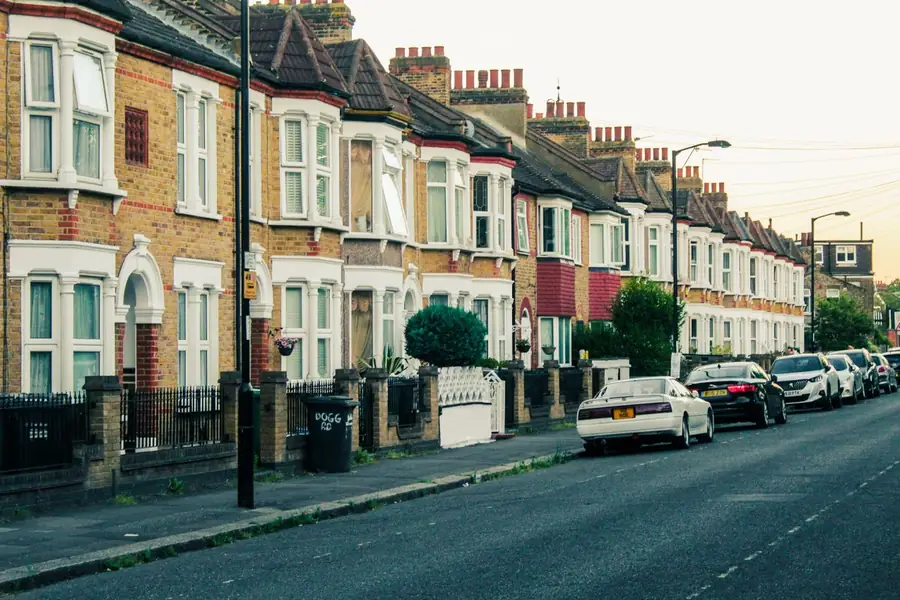
If the goal is a warmer house rather than a tidier one, the order of work matters. Heat loss through a window is a function of its area, its U-value and how exposed it is. That means the biggest single-glazed pane in the room you sit in every evening is worth more than three small landing windows put together.
Exposure counts for a lot in this city. Houses on the higher ground around Pennsylvania and Stoke Hill catch far more wind than the sheltered streets down near the quay, and wind-driven infiltration through a gappy old frame does more damage to your comfort than the glass specification ever will. If you are staging the work, doing the windward elevation first tends to be more noticeable than doing the prettiest one.
Before you commit an order, pull up your property’s entry on the government’s find an energy certificate service to see what the last assessor recorded about your glazing. It is not gospel, but it tells you whether the survey treated the house as fully double glazed already, which occasionally surprises people who assumed their 1998 units still counted. For a broader look at where the heat goes, the Centre for Sustainable Energy advice library is useful and refreshingly free of sales pitch.
A Sensible Three-Phase Plan For A Two-Storey Exeter Terrace
Here is the shape that works most often on the Victorian and Edwardian stock across St Thomas, Mount Pleasant and Newtown.
Phase one takes the rear elevation, because that is usually where the kitchen extension window and the worst of the rot live, and because it is the least visible if the colour match ever goes slightly wrong. Phase two takes the front, including the bay, which is the expensive part and the one that most benefits from a full survey and proper structural support above the bay head. Phase three mops up the landing, the bathroom and anything on a gable.
Spacing them twelve to eighteen months apart keeps the system and the colour current while giving you a clear year to save. Any longer than three years between the first and last and you are into genuine matching risk.
Timing within the year matters too, and the diary is emptier than most people assume in the darker months - our post on the best time of year to replace windows in Exeter goes into what each season costs you in waiting time.
What Most People Round Here End Up Doing
Across the enquiries that come into Window Installers Exeter, roughly three in five people who ask about phasing end up doing the whole house anyway once they have the quote in front of them, usually because the gap between the phased total and the single total was wider than they had guessed. The ones who do phase tend to be the ones with a specific problem: a failed bay, a rotten kitchen window, a rental property with an EPC deadline attached to it.
That is not an argument for either approach. It is an argument for getting the full quote first, even if you are certain you want to split the work, because you cannot judge the premium until you can see both numbers on the same page.
If you want both figures for your own house, a surveyor can price the full set and the phases side by side at the same visit. Ask for a free quote in Exeter and say up front that you are considering staging it, so the numbers come back in a form you can compare.
Frequently Asked Questions
Is it cheaper to replace all my windows at once in Exeter?
Per window, yes, and the gap is bigger than most people expect. A full set for a three-bed Exeter semi tends to land between £3,500 and £7,000 in white uPVC, which works out around £400 to £550 a window. Order two windows on their own and you are more likely to see £550 to £800 each, because the survey, the delivery, the waste run and the minimum day charge get shared between two openings instead of nine. The saving on a whole-house order is real, but it only helps you if you can pay for it in one go without borrowing at a rate that cancels it out.
Will windows fitted three years apart still match?
Usually, but not always, and the risk is in the finish, not the shape. White uPVC from the same manufacturer stays close enough that nobody notices. Foiled colours such as anthracite grey and cream are the ones that drift, partly because the foil supplier changes batch and partly because south-facing frames weather faster than north-facing ones. If you are phasing a coloured job, order all the frames from one system, keep the quote paperwork with the system name and colour reference on it, and accept that the first phase will always look slightly more lived-in than the last.
Do I get a FENSA certificate for each phase of the work?
Yes. Every notifiable replacement gets registered separately, so a three-phase job produces three certificates rather than one. That is not a problem, it is just more paper to keep track of, and it matters at the point of sale because a conveyancing solicitor will ask for evidence covering every window replaced since April 2002. Keep the certificates together with the quotes and guarantee documents somewhere you will find them again, because chasing a registration from four years ago is far more painful than filing it at the time.
Which windows should I replace first in an Exeter house?
Start with whatever is actually failing rather than whatever is most visible. In practice that usually means the north and east elevations, because those frames dry out slowest after the Exe valley damp and take the brunt of winter wind, and the rooms you heat the most. A front bay looks like the priority because you see it every day, but a rotten kitchen window on the shaded side of a St Thomas terrace is losing you more heat and is closer to becoming a structural repair. Get an installer to walk round with you and rank the openings before you decide.