
9 July 2026
Sash Window Repair vs Replacement: What Exeter Homeowners Need To Know
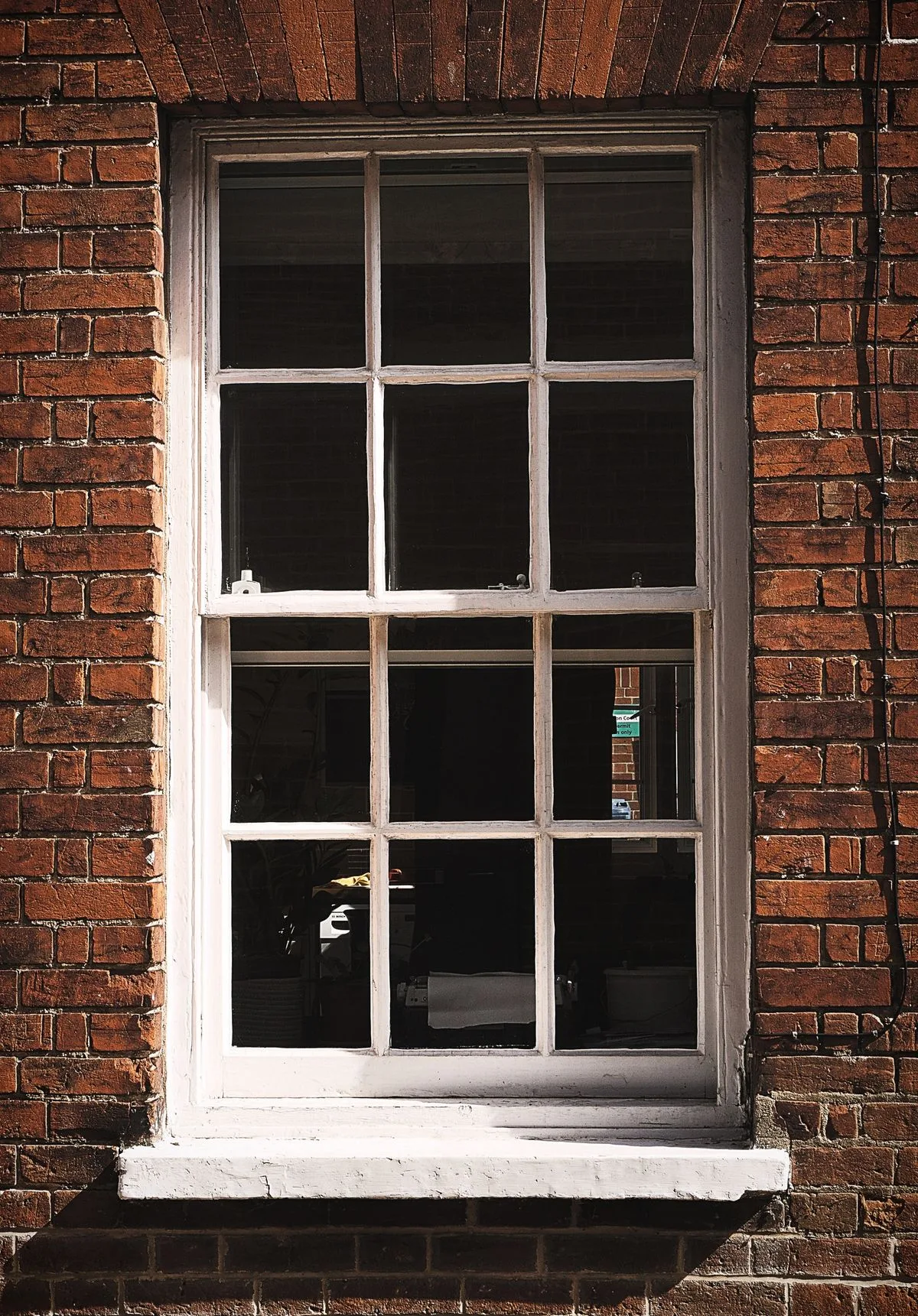
Sash windows are all over Exeter’s Victorian and Edwardian terraces - and all over Exeter homeowners’ lists of complaints. Draughts, rattling at night, heating bills that don’t add up. Whether to repair or replace them is a question that depends on more than just the condition of the frame. In Exeter, planning rules add a layer of complexity that doesn’t apply to most of the UK’s newer housing. Get the decision wrong and you could spend money on a repair that doesn’t fix the actual problem - or replace windows that didn’t need replacing and fall foul of conservation area restrictions in the process.
What Makes Sash Windows Different To Repair Or Replace
Sash windows are mechanically different from the casement windows fitted in most post-war properties, and that matters when you’re diagnosing problems. A sash window slides vertically inside a box frame, held in balance by weights and cords hidden inside the frame. When people talk about “repairing” a sash window, they usually mean one or more of: replacing broken cords, draught-sealing the gaps around the moving sash, easing a frame that’s become sticky or stiff, repairing failed putty, or reglazing a cracked or broken pane.
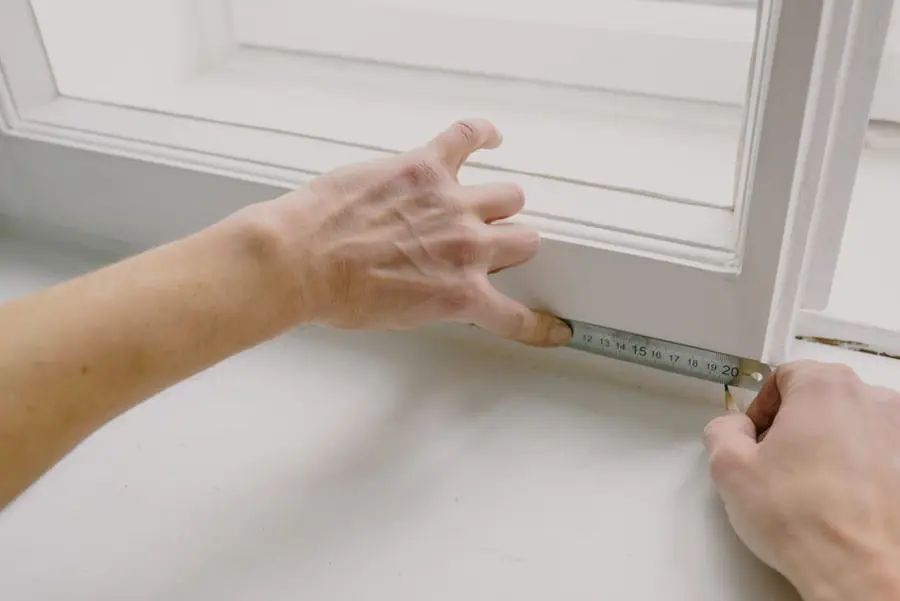
None of these jobs require replacing the whole frame. The box frame itself is often in perfectly good condition even when the cords have snapped, the sash rattles in the wind, and cold air whistles through every winter. Victorian sash windows were made from slow-grown timber, usually Baltic pine, that’s denser and more resistant to rot than most modern softwood. The frame has a realistic lifespan of well over 100 years if maintained - and many of the originals in Exeter’s St Leonard’s and Heavitree terraces are still on their first frame. Our window repairs service covers the full range of sash repair work - cord replacement, draught sealing, and full overhauls.
The Case For Repairing Your Sash Windows
The standard argument against keeping original sash windows is thermal performance. A single-glazed sash window has a U-value of around 5.0 W/m²K - significantly worse than a modern double-glazed unit at 1.2-1.4 W/m²K. That’s a real difference. But the gap between an unrestored and a properly restored sash window is much larger than most people expect.
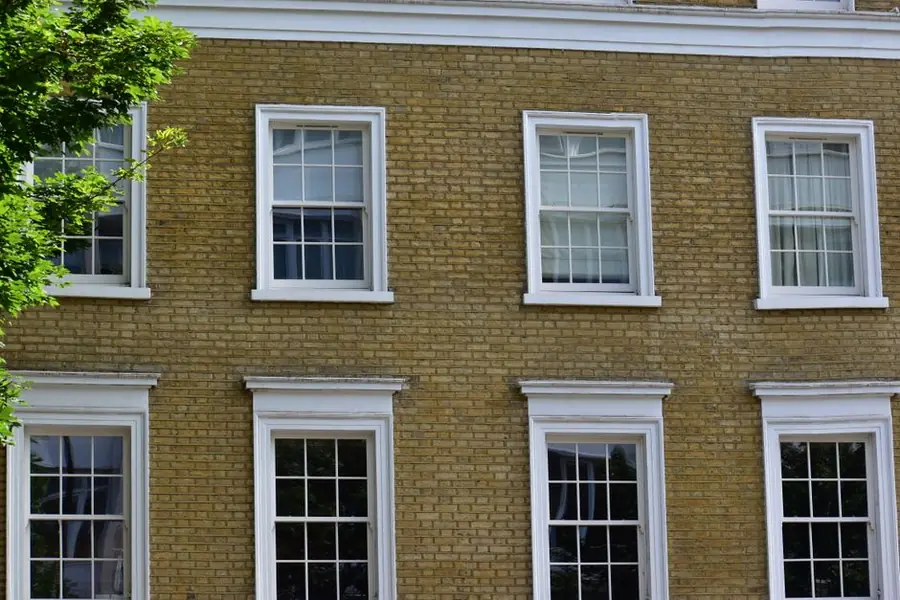
A properly draught-sealed sash window loses far less heat through air infiltration than an unsealed one - and air infiltration is a major part of the thermal performance gap between old and new windows. Secondary glazing added behind the original sash (see below) can bring the effective U-value down to around 1.8-2.0 W/m²K, which is within reasonable range of a standard replacement double-glazed unit. The cost of restoration plus secondary glazing, on a per-window basis, is often lower than the cost of a full timber replacement window made to match the original profile - and in conservation areas, a full timber replacement to planning specification is not cheap.
There’s also the question of what you’re replacing with. The standard alternative to an original sash is a uPVC casement, which performs well thermally but doesn’t replicate the character of the original. For properties in Exeter’s period streets, a uPVC casement in an opening designed for a sash window rarely looks right - and in many cases it wouldn’t get planning approval regardless of your preference.
When Replacement Is The Right Call
Repair isn’t always the right answer. There are specific conditions where replacement makes more practical sense.
Timber rot is the main one. If the lower rail of the sash or the sill has rotted through, a repair is possible but becomes progressively more expensive as the rot extends. A wet rot pocket in a corner joint can be filled with resin if it’s caught early and the surrounding timber is sound - but if the rot has spread through a significant length of timber, you’re looking at cutting out and splicing in new sections, which at that point competes on cost with a new frame. Have the frame inspected - not just looked at - before committing to either route.
Structural movement is another. Exeter sits on variable ground, particularly on the hillside streets around Pennsylvania, Pennsylvania Road, and the slopes above St Thomas. Houses in these areas have occasionally seen enough movement over 150 years to rack a sash frame out of square. A racked frame can sometimes be eased back, but if the frame has twisted significantly it may not run true enough to be draught-sealed effectively.
If your priority is thermal performance and you’re not in a conservation area or listed building, a modern double-glazed timber sash - or a well-profiled uPVC sliding sash - will outperform an overhauled original. That’s a straightforward trade: character and material quality for thermal performance. Worth knowing what you’re giving up.
Exeter’s Conservation Areas And What They Mean For Your Sash Windows
This is the part of the decision that trips people up. Exeter has a higher proportion of conservation area properties than most English cities, concentrated in areas that also have the highest density of original sash windows. Cathedral Close, Topsham’s historic core, parts of St Leonard’s, the Heavitree Road corridor, and much of the Pennsylvania area are all either conservation areas or contain listed buildings.
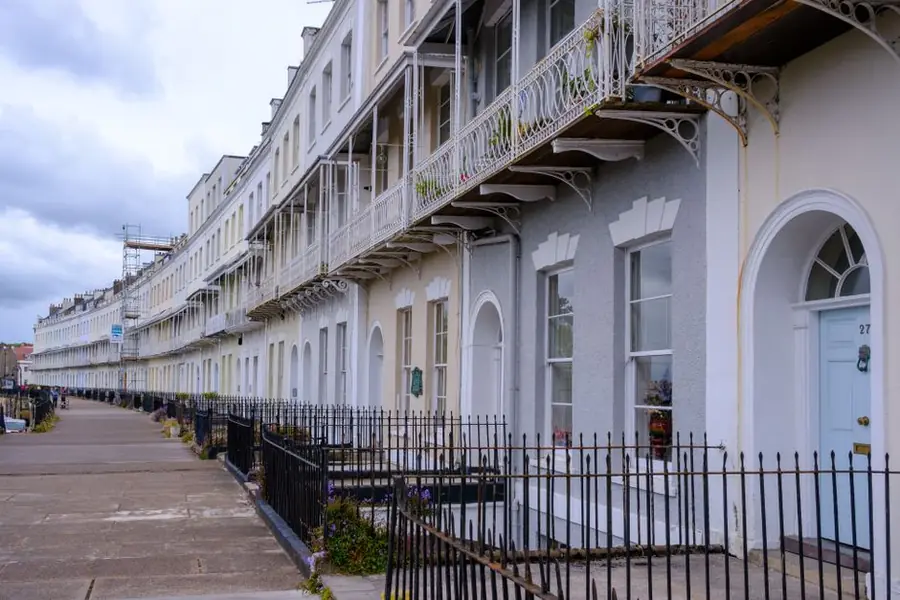
In a conservation area, replacing a window requires permitted development rights - but those rights can be restricted by an Article 4 Direction. Exeter City Council has applied Article 4 Directions across most of its designated conservation areas, which means replacing windows in those areas requires planning permission even though it would be permitted development elsewhere. The Planning Portal’s guidance on doors and windows explains how these rules work, and Exeter City Council’s conservation team can confirm which designation applies to your street.
For listed buildings - which are present throughout the Cathedral Close area and scattered through Topsham - any alteration to the external appearance requires listed building consent. Replacing original sash windows in a listed building is genuinely difficult to get consent for, because Historic England’s guidance on glazing in historic buildings generally opposes removing original windows where they can be repaired. Secondary glazing is the approved route for most listed buildings - it adds insulation without touching the original frame, and generally proceeds without consent because it makes no change to the external appearance. We covered the secondary glazing option in more detail in the secondary glazing vs double glazing guide.
Costs: Repair vs Replacement Side By Side
Rough figures help frame the decision before you get to the survey stage.
For a standard Exeter Victorian sash window (two sashes, cord weights, standard size around 900mm wide x 1400mm high):
Cord replacement: £100-£200 per window. Draught sealing only: £150-£300 per window. Full overhaul (cords, draught seal, ease sashes, rebed putty): £300-£600 per window. Full overhaul plus secondary glazing: £600-£1,000 per window.
Replacement options for the same opening: uPVC sliding sash (standard): £500-£800 supplied and fitted. Timber sliding sash to match original profile: £900-£1,500+ per window. A full replacement of all windows on a typical Exeter Victorian terrace (10-12 windows) therefore sits in the £6,000-£12,000 range for uPVC, or £10,000-£18,000+ for timber-matched replacements.
The total cost of overhauling all sashes on the same terrace, including secondary glazing throughout, typically comes in below a full timber replacement - and the result leaves the original frames in place, which matters for planning purposes. If you’re in a conservation area, factor in that an Article 4 Direction removes the permitted development shortcut anyway - so full replacement requires a planning application, regardless of what you’d prefer to do.
What To Expect From A Sash Window Survey In Exeter
A proper survey looks at more than just whether the glass is intact. Any surveyor assessing sash windows should be examining: the condition of the box frame at the base (where rot usually starts), the state of the lower rail on each sash, the condition of the cords and whether the weights are present and correct, the state of the putty around each pane, how much movement there is in the sash when closed, and whether the frame is plumb and square.

The survey should give you a clear recommendation for each window individually - some windows may need full replacement while others only need cords and a draught-seal. Blanket recommendations to replace everything are worth questioning. A good installer will tell you if repair is viable and what it will cost before asking you to commit to anything. If the property is in a conservation area or listed, the surveyor should also flag what planning implications apply before any work is quoted - not after.
Heritage Window Specialists vs General Installers
Window installers vary a lot in their experience with sash windows. An installer who fits uPVC casements all week is not the same as one who regularly works on original timber sashes. The joinery skills are different. The knowledge of conservation area requirements is different. So is the ability to source the right materials - draught pile that actually fits the sash profile, glazing compound for historic glass, secondary glazing systems that can be fitted behind different frame configurations.

The FENSA register covers replacement window installation. For repair work - which doesn’t involve replacing a regulated element - FENSA registration isn’t the relevant credential. What matters instead is experience on period properties in Exeter and references from conservation area or listed building jobs. Ask what they’d do with a sash that has a rot pocket in the lower rail. That one question tells you whether you’re talking to someone who actually knows what they’re looking at, or someone who’s going to recommend replacement either way.
Book a free survey to get an honest assessment of your Exeter sash windows
Frequently Asked Questions
Can sash windows be repaired rather than replaced?
Yes, in most cases. Draught problems, stiff sashes, broken cords, failed putty, and single-pane rattling are all repairable without replacing the window. The frame itself usually has a far longer lifespan than the problems that develop in it - Victorian sash windows with good timber cores can be restored to excellent working condition for a fraction of the cost of replacement. The main situations where full replacement makes more sense are where the timber has rotted through, the frame is structurally unstable, or you need to significantly improve thermal performance.
Do I need planning permission to replace sash windows in Exeter?
In most standard residential properties, no - replacing like for like under permitted development doesn't need planning permission. However, if your property is in a conservation area (Cathedral Close, Topsham, parts of St Leonard's and Heavitree Road are all designated) or is a listed building, you'll need to apply for permission before replacing windows, and replacements usually need to match the original style and materials closely. Secondary glazing is often the permitted route for listed buildings.
How much does sash window repair cost in Exeter?
Draught-sealing a sash window typically costs £150-£300 per window. Replacing broken sash cords runs £100-£200 per window. Overhauling a sash window - new cords, draught sealing, easing of stiff sashes, reglazed putty - usually comes in at £300-£600 per window depending on size and condition. Full timber restoration including any rot repairs costs more and needs quoting on inspection. These figures are rough guides - the only way to get an accurate number is a survey.
Is it worth repairing old sash windows or should I just replace them?
If the timber core is sound, repair is almost always worth it. Original Victorian sash windows were made from slow-grown hardwood that's denser and more durable than most modern softwood equivalents. A properly overhauled sash window, with draught sealing and the option of secondary glazing added for insulation, can match or approach the thermal performance of a replacement unit - while keeping the character of the property and, in conservation areas, staying on the right side of planning rules. The cost case for repair vs replacement is often not as clear-cut as it first appears.
What is secondary glazing and does it work on sash windows?
Secondary glazing fits a separate inner panel behind the existing window, leaving the original sash in place. It doesn't require planning permission in listed buildings or conservation areas in most cases, because it doesn't change the external appearance. For noise reduction it often outperforms replacement double glazing - the larger air gap between the original glass and the secondary panel cuts traffic noise more effectively than the 16-20mm cavity in a sealed double-glazed unit. Thermal improvement is meaningful but doesn't quite match a full replacement double-glazed unit.