
30 June 2026
uPVC vs Aluminium Windows: Which Is Right For Your Exeter Home?
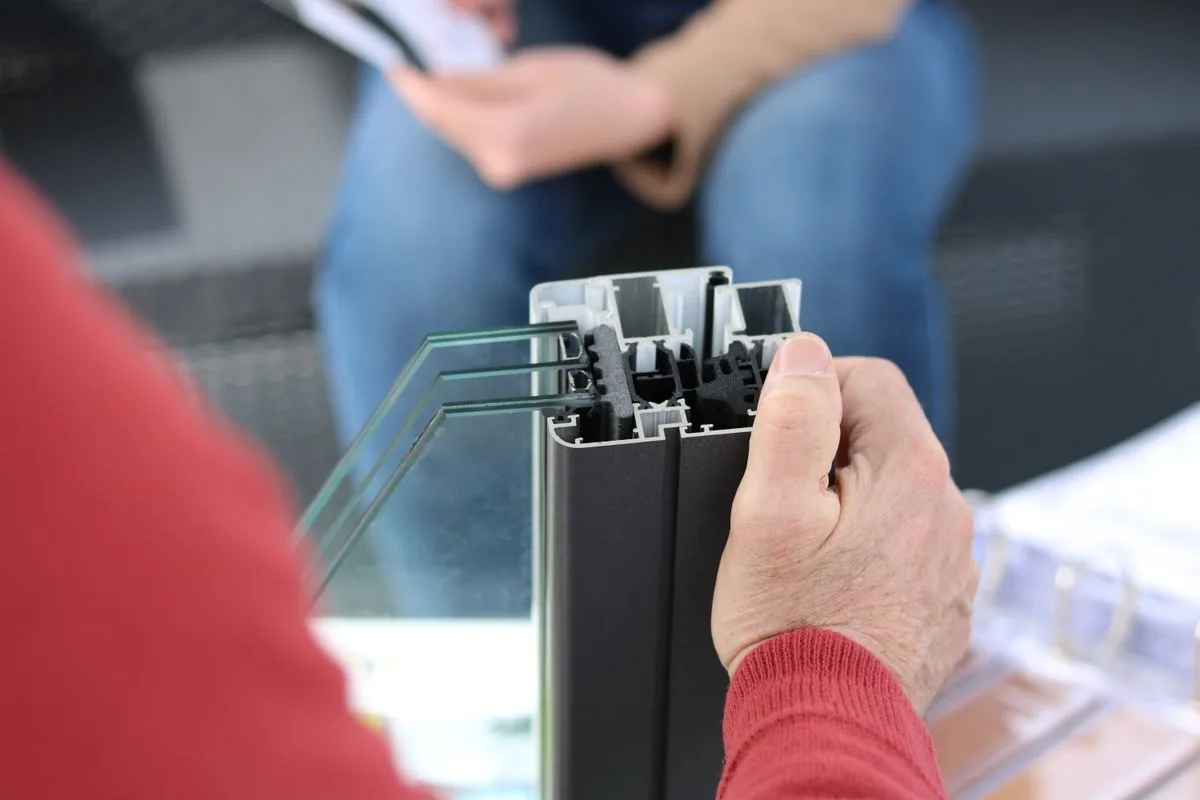
For most Exeter homeowners, the choice comes down to two materials: uPVC and aluminium. Timber still exists, but it’s a niche product these days - mostly for listed buildings or conservation area properties where planning requires it. For everything else, it’s uPVC or aluminium. Neither rots, both handle Devon’s wet climate without complaint, and both come in enough colours and configurations that you’re not stuck with plain white. Which one is right depends on the property, the budget, and what you’re actually trying to achieve. In a city with as varied a housing stock as Exeter - Victorian terraces in Heavitree and Topsham, post-war semis in Exwick, modern builds out towards Cranbrook - there’s no single right answer.
What uPVC Windows Are And Why They’re Popular
uPVC (unplasticised polyvinyl chloride) is the most commonly installed window frame material in England. It’s been the default for residential replacements for about 30 years - durable, low-maintenance, thermally efficient when the profiles are well-designed, and considerably cheaper than aluminium.

In Exeter, the majority of window replacements use uPVC. It’s what the 1960s and 70s estates in Pinhoe and Whipton mostly have, it’s what most Victorian terraces have been upgraded to over the decades, and it’s what most buyers expect to find in a standard residential property. The quality of uPVC profiles varies significantly - cheaper profiles use thinner wall sections and lower-grade steel reinforcement, while mid-range and premium profiles are substantially more robust. For Devon’s wetter climate, a good-quality profile is worth the modest additional spend, since cheaper frames are more prone to discolouring and the welded corner joints can show stress more quickly when exposed to sustained moisture.
Our uPVC windows service covers the full range, from standard white casements to coloured and woodgrain-effect finishes.
What Aluminium Windows Offer
Aluminium frames are slimmer than uPVC - the sightline (the visible frame around the glass) can be as little as 30-40mm compared to 60-80mm for standard uPVC casements. More glass, less frame. That matters on larger windows, picture windows, and any opening where the view is the point.
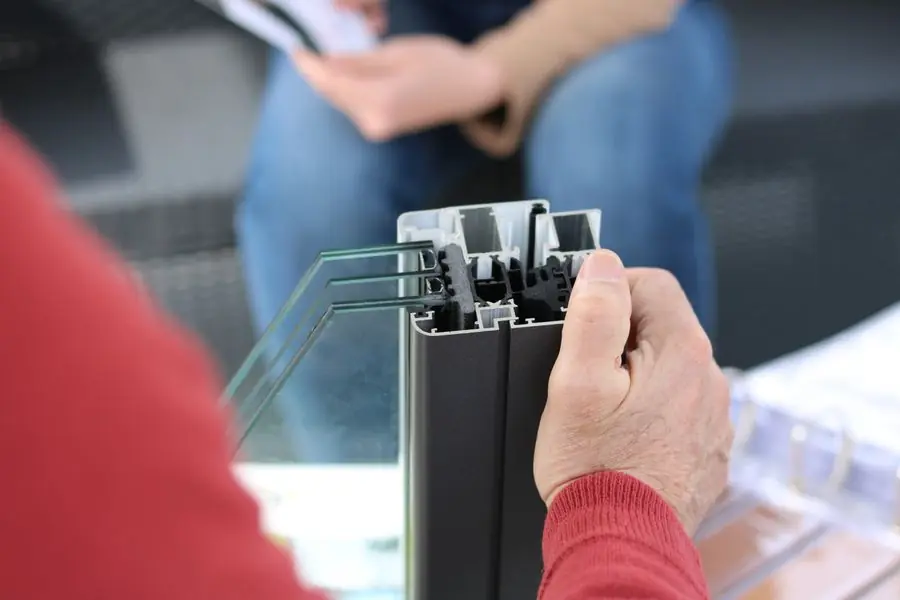
Aluminium is also dimensionally stable - it doesn’t expand and contract with temperature the way uPVC does, which means tighter tolerances over time and no distortion in south-facing frames that get significant sun. It’s harder to damage, scratch-resistant once powder-coated, and available in essentially any RAL colour. The finish lasts well and generally doesn’t need repainting during the window’s 30-35 year lifespan.
The trade-off is cost and, to some extent, thermal performance. Aluminium conducts heat and cold, which means standard aluminium frames are thermally worse than uPVC. Modern aluminium windows address this with a thermal break - a section of insulating material within the frame that interrupts the conduction path. Thermally-broken aluminium windows perform comparably to good-quality uPVC, though the break adds to the cost. Always check that any aluminium windows you’re quoted for include a thermal break - without one, performance will be noticeably worse in winter.
How Devon’s Climate Should Influence Your Choice
Exeter gets around 800mm of rainfall per year, roughly 15-20% more than the UK average. The prevailing south-westerly winds carry moisture consistently from autumn through to late spring. Both uPVC and aluminium handle sustained wet weather without degrading, but the specific exposure of your property matters.

For coastal properties in Exmouth or Dawlish, aluminium has a slight edge in that it’s completely unaffected by salt air. Good-quality uPVC also handles salt air adequately, but powder-coated aluminium is arguably the more durable choice for seafront elevations in a coastal environment. For most inland Exeter properties, this distinction isn’t significant - either material will last for decades without problems.
Thermal performance is the other variable. Exeter winters are mild - the city rarely sees sustained frost - but properties on the higher ground around the edges of the city, or in exposed north-facing positions, run colder than the centre. A-rated windows with a proper thermal break handle this well in either material. Triple glazing exists in both uPVC and aluminium, but the payback period in Exeter’s climate is long enough that it’s rarely worth the additional cost unless you’re in a particularly exposed spot.
The Cost Difference And When It’s Worth It
uPVC is consistently cheaper than aluminium - typically 30-50% less on a like-for-like basis. For a full window replacement on a standard Exeter 3-bedroom semi, that difference might be £1,500-£2,500 on the total job. Whether the premium is worth paying depends on what you’re trying to achieve.

On a traditional Exeter terrace, standard white uPVC looks right. Buyers expect it, it adds the same market value as aluminium, and spending more won’t translate into a higher sale price. On a contemporary new-build or a property that’s been modernised with a clean, minimal aesthetic, aluminium’s slimmer sightlines can genuinely enhance the appearance - and in those cases the premium is easier to justify. The Which? double glazing buying guide has useful guidance on what to look for when comparing quotes for different frame types.
Bi-fold doors and large sliding doors are a specific case where aluminium is often the stronger choice. uPVC bi-fold doors require heavier sashes and frames to handle the spans involved, which can produce bulkier profiles that reduce the glass-to-frame ratio. Aluminium handles larger spans with slimmer frames, which is why most quality bi-fold installations use aluminium regardless of what’s used elsewhere on the property.
Which Properties Suit Which Material
The short version: most Exeter homes suit uPVC, and some are better served by aluminium.
Standard casement windows on Victorian terraces, Edwardian semis, and post-war housing stock look right with good-quality white uPVC. Coloured or woodgrain-effect uPVC can suit the aesthetic where the house has character without being listed - a dark grey or anthracite finish reads well on brick properties without the cost of aluminium.
Aluminium is the better choice for larger openings, contemporary properties, and situations where sightlines matter - picture windows overlooking a garden or estuary view, or bi-fold doors opening to a rear terrace. It’s also the material of choice where you want to match commercial-style glazing, or where a planning authority has specified slim-section frames as a condition of permission. The planning permission guide covers the situations where Exeter City Council’s requirements affect material choice.
Getting A Straight Answer For Your Property
A site survey is the quickest way to get a straight answer. We’ll measure up and, where it’s a genuine toss-up between the two materials, can quote both side by side so you can see the actual cost difference for your specific property.

Any installer worth using will be FENSA registered and will issue a certificate on completion - this is a legal requirement for replacement windows in England and is the document your solicitor will ask for when you come to sell. Whether you go with uPVC or aluminium, the installation quality and the FENSA certification matter as much as the material itself.
Get a free survey and written quote from Window Installers Exeter
Frequently Asked Questions
Is uPVC or aluminium better for Exeter's wet climate?
Both materials handle Devon's wet climate well - neither rots or corrodes. uPVC can discolour slightly in areas with high UV exposure and is more susceptible to thermal expansion in south-facing positions, though good-quality profiles manage this well. Aluminium is dimensionally stable and handles temperature variation with no noticeable movement. For most Exeter properties, the difference in weather performance is negligible. For coastal positions in Exmouth or Dawlish where salt air is a factor, aluminium has a slight edge for longevity.
How much more do aluminium windows cost than uPVC in Exeter?
Aluminium frames typically cost 30-50% more than equivalent uPVC across a full-house replacement. For a standard 3-bedroom Exeter semi, that might mean a difference of £1,500-£2,500 on the total job. The gap narrows on larger windows where the frame cost is a smaller proportion of the total, and widens on small casement windows where the frame itself dominates the price.
Do aluminium windows add more value than uPVC in Exeter?
On modern and contemporary properties, aluminium's slimmer sightlines and clean aesthetic can add more visible value than standard white uPVC. For traditional Exeter terraces and semi-detached houses, quality white uPVC is what buyers expect and adds the same market value. The material is less important than the quality of the installation and the window specification.
Can I mix uPVC and aluminium windows in the same property?
Yes, and some Exeter homeowners do exactly this - uPVC for standard casement windows upstairs and at the back, aluminium for larger openings or bi-fold doors at the rear where the sightlines matter more. There's no technical reason not to mix, though it's worth checking the visual effect from outside before committing to a split approach.
Which frame material is better for a conservation area in Exeter?
Neither uPVC nor aluminium is automatically acceptable in Exeter's conservation areas. If you're in Topsham, Cathedral Close, or designated streets in St Leonard's or Heavitree, you'll need to check with Exeter City Council's planning team before replacing windows. Aluminium frames can sometimes be approved in conservation areas where the profile is slim and the colour matches the original - but this varies by area. Secondary glazing is the standard approved route for listed buildings.