
9 July 2026
uPVC vs Timber Windows In Exeter: Which Is Right For Your Property?
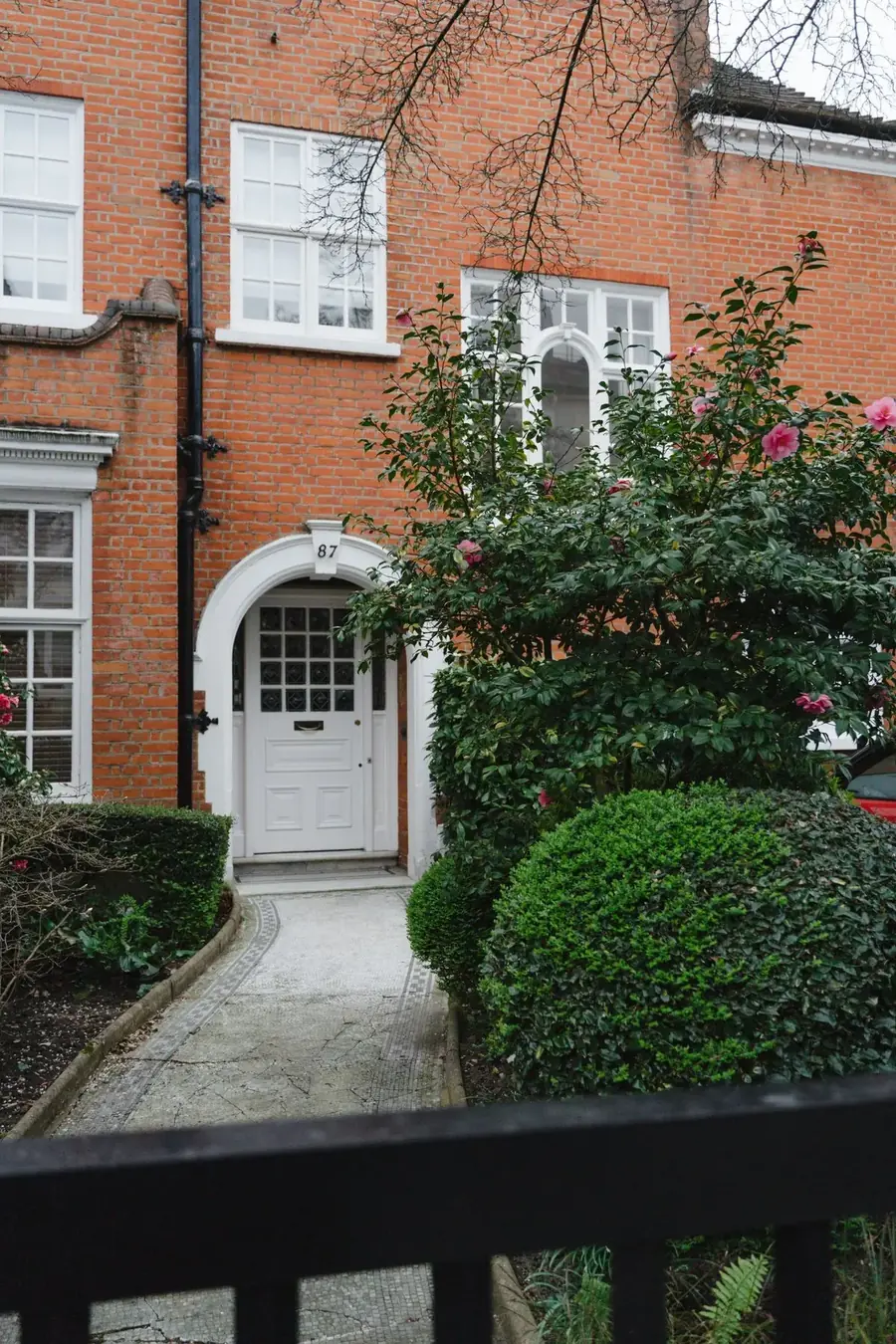
Most people come into this decision thinking it’s obvious: uPVC is cheaper and lower maintenance, timber looks better, pick whichever suits your budget. That’s roughly true, but it misses a lot of the detail that makes one choice clearly better for a specific property. In Exeter that detail matters more than in most of England. Devon’s wet climate, the city’s large stock of listed and conservation area properties, and a planning environment that can take the decision out of your hands entirely - these things change the comparison considerably. Get the frame material wrong and you’re either repainting or dealing with rot repairs every few years, or you’ve put a window in that no longer looks like it belongs in the street.
Why Frame Material Matters More In Devon Than Most Of England
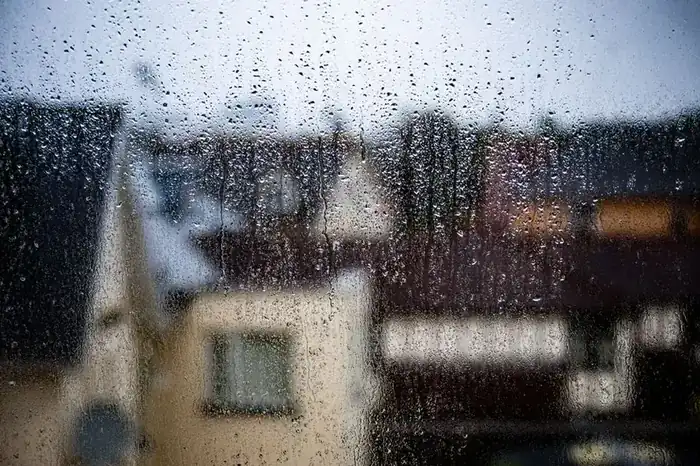
The UK average annual rainfall is around 680mm. Exeter sits at roughly 800mm - about 15-20% above average, and significantly more than most of south-east England. More importantly, Devon’s rainfall pattern is persistent rather than seasonal: the prevailing south-westerlies bring Atlantic weather year-round, and Exeter rarely has the dry spells that allow timber frames to fully dry out between wet periods.
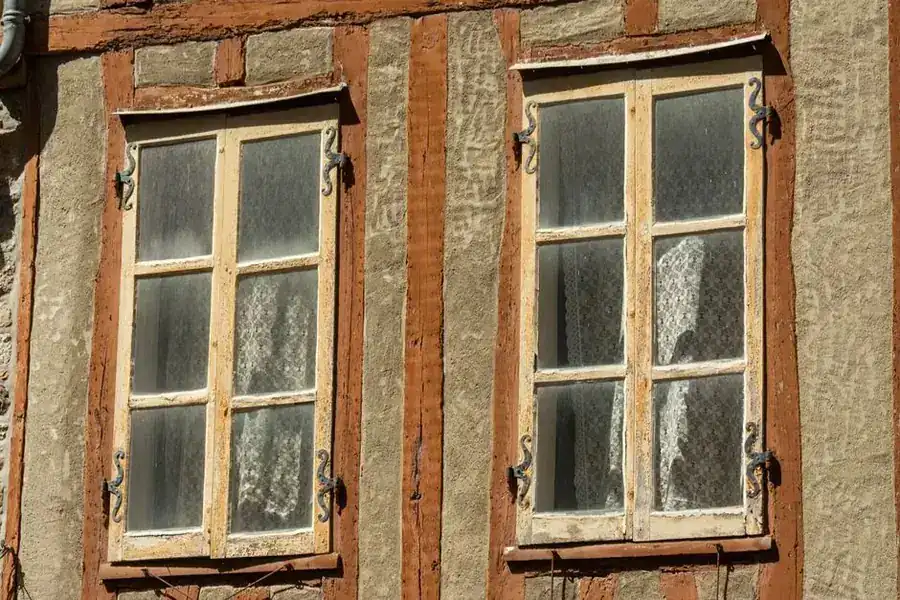
Painted softwood frames need to be completely dry before they’re recoated - painting over damp timber traps moisture underneath, accelerating rather than preventing rot. In drier parts of England, a homeowner can reasonably find a dry spell in spring or summer to repaint. In Devon, that window is shorter and less predictable. Some years it barely exists. Properties on west and south-facing elevations - taking the full force of the prevailing weather - see their timber frames deteriorate faster than the same frame would in, say, Surrey or Norfolk. Our double glazing service covers both uPVC and timber-framed options across Exeter.
uPVC Windows: What You Actually Get
uPVC has improved substantially over the last twenty years. The product fitted today is not the same as the yellowing, off-white plastic frames that gave uPVC a bad name in the 1990s. Modern uPVC is UV-stabilised (it won’t yellow or chalk in sunlight), thermally efficient (multi-chamber profiles with good insulation values), and virtually maintenance-free. The sealed unit inside the frame will eventually fail - typically after 15-25 years in Exeter’s climate - but the frame itself generally outlasts the glass it holds.
The practical advantages are real. No repainting. No filling or sanding. If the frame gets dirty, a wipe with a damp cloth restores it. For a landlord managing multiple rental properties in Exeter, or an owner who doesn’t want to think about window maintenance, uPVC is straightforwardly lower overhead. The energy performance of a modern A-rated uPVC-framed double-glazed unit is excellent - typically a U-value of 1.2-1.4 W/m²K for the whole window.
Where uPVC falls short is aesthetics, and in a specific subset of properties, aesthetics matter a great deal. A uPVC casement in a Victorian terrace on the Heavitree Road looks wrong in a way that a buyer or planning officer will immediately notice. The profiles are too chunky, the corners too square, and the material too obviously synthetic against a brick facade built 130 years ago.
Timber Windows: The Real Costs Of Ownership
Timber is the right choice for a specific set of properties - but its costs over a 20-year period are frequently underestimated. The headline purchase and installation price is higher: expect to pay 40-70% more for a timber frame compared with an equivalent uPVC window. The ongoing maintenance cost is the part that surprises people.
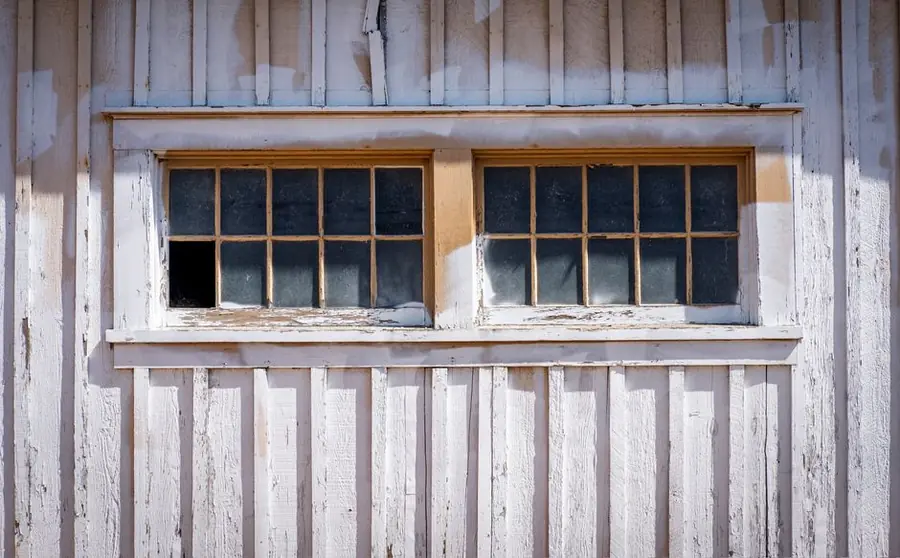
A painted softwood timber frame needs recoating every 5-8 years to maintain its weather resistance. In Devon’s climate, some properties need attention closer to every 5 years. Cost of a repaint varies considerably depending on property size and access, but a realistic figure for a full house repaint of external woodwork in Exeter - windows, fascias, and soffits - is £800-£2,000 every 5-8 years. Over 25 years that’s three or four repaint cycles, adding £2,400-£8,000 to the total cost of ownership alongside the higher initial outlay.
There’s also the rot risk. Timber frames in contact with standing water - at the sill, at corner joints, at the junction between the frame and the surrounding masonry - are vulnerable. Catch it early and a rot pocket can be repaired with resin for £100-£200 per window. Leave it and you’re looking at frame replacement. The maintenance cost of timber is not optional: neglect it and the repair cost accelerates.
How Devon’s Rainfall Changes The Comparison
As a national comparison, timber vs uPVC is a closer call than you might expect. In Devon specifically, it isn’t - particularly for properties on exposed elevations or south and west-facing aspects.
Properties on Exeter’s hillside streets - Pennsylvania Road, the areas around Pinhoe, the slopes above St Thomas - tend to see faster deterioration of timber frames than the more sheltered streets near the city centre or in Topsham’s conservation area. Coastal properties in Exmouth or Dawlish add salt air on top of rainfall, which is even harder on painted timber. For these properties, the practical case for uPVC is strong even where aesthetic preferences might lean toward timber. The Energy Saving Trust’s guidance on windows focuses on thermal performance rather than frame material, but the maintenance reality in a wet climate is a significant factor that the thermal figures alone don’t capture.
Planning Permission And Conservation Areas In Exeter
For a good number of Exeter properties, planning rules make the decision before you do.
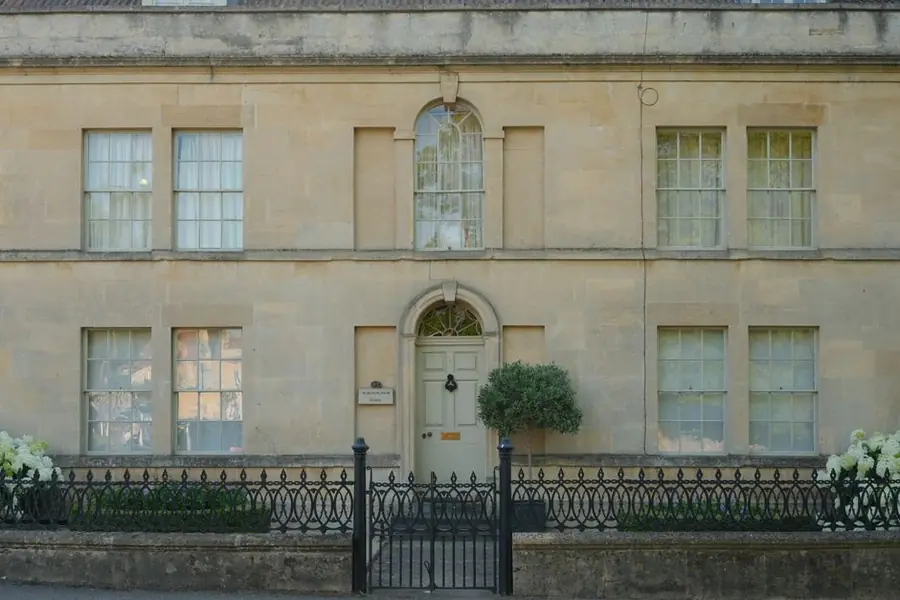
Exeter has Article 4 Directions covering most of its conservation areas. These remove the normal permitted development rights that allow window replacement without planning permission, meaning that replacing windows in Cathedral Close, Topsham’s historic core, St Leonard’s, and many parts of the Pennsylvania area requires a planning application regardless of what material you want to use. Conservation area policies in Exeter strongly favour replacing windows with materials and profiles that match the original - and for Victorian terraces with original timber sashes, that means timber-framed replacements, not uPVC. An application for uPVC replacements in these areas is unlikely to be approved. The Historic England guidance on glazing in historic buildings is clear that original character should be preserved where possible.
For standard Exeter residential properties outside these designated areas - the post-war estates in Pinhoe, Whipton, Wonford, Exwick, and the newer developments around Sowton - uPVC is permitted development with no planning complications. The full planning picture for Exeter windows is covered in the planning permission guide for window replacement.
Which Frame Material Holds Its Value Better In Exeter?
In most standard Exeter properties, the frame material has less bearing on resale value than people assume. Buyers expect A-rated double glazing with a valid FENSA certificate. Whether that comes in uPVC or timber frames is a secondary consideration for the majority - what they’ll ask their surveyor to check is whether the units are intact, the frames are solid, and the seals haven’t failed.
The exception is period properties in Exeter’s conservation areas and listed buildings, where the market expects period-appropriate frames. A well-maintained Victorian terrace in St Leonard’s with its original sash windows - or quality timber sliding-sash replacements - will appeal more strongly to the buyers who want that type of property than the same house with uPVC casements, regardless of the U-values on the specification sheet. For those properties, timber isn’t just a preference - it’s what the buyer expects and, in many cases, what the planning rules require.
For properties outside the designated areas, the honest answer is that a well-installed A-rated uPVC window will not disadvantage your property at sale. The energy rating, the installer certification, and the condition of the frames at the point of sale all matter more than the material they’re made from.
The Practical Decision For Exeter Homeowners
For most Exeter properties - built after 1945, outside a conservation area, not listed - modern A-rated uPVC windows are the practical default. Lower maintenance, lower cost, strong thermal performance. In a county as wet as Devon, that’s usually the right call.
Timber is the right choice if you’re in a conservation area or listed building (where planning rules may require it), if you have a strong aesthetic preference for a period property and the budget for ongoing maintenance, or if you’re working on a passive house build where a certified timber frame system is part of the overall specification. In those cases, use a good-quality engineered timber frame with a factory-applied paint system - these perform considerably better than site-painted softwood in Devon’s climate.
If you’re not sure which applies to your property, a survey will establish whether any planning restrictions apply and give you a clear recommendation for each window individually - because the right answer for the south-facing front elevation may not be the same as for the sheltered north-facing rear.
Book a free survey to find the right window specification for your Exeter property
Frequently Asked Questions
Are uPVC or timber windows better in Devon's climate?
uPVC is generally the more practical choice for most Exeter properties. Devon receives around 800mm of rainfall annually - about 15-20% above the UK average - and the persistent damp accelerates the deterioration of painted timber frames. uPVC requires virtually no maintenance to keep its performance and appearance, while timber needs repainting every 5-8 years to prevent rot and seal failure. The exception is period properties where planning rules or the character of the building make timber the only viable option.
How long do uPVC windows last compared to timber in Exeter?
A well-installed uPVC window typically lasts 20-25 years before the sealed units begin to fail, and the frames themselves often outlast the glass units inside them. Timber frames can last far longer - original Victorian sashes in Exeter are sometimes still on their first frame after 140 years - but that longevity depends entirely on maintenance. Neglected timber frames in Devon's wet climate can show rot within 10-15 years. The comparison is really between low-maintenance uPVC at 20-25 years and well-maintained timber at potentially 40+ years.
Can I put uPVC windows in a listed building in Exeter?
Almost certainly not. Listed building consent is required for any alteration to the external appearance of a listed building, and uPVC replacements are very rarely approved for listed properties. Exeter City Council's conservation team and Historic England's guidance consistently oppose replacing original windows - particularly timber sashes - with uPVC. The approved routes are either repairing the original windows or adding secondary glazing behind them. For listed buildings, the question is usually which repair approach, not uPVC vs timber.
Do timber windows add more value to a property in Exeter?
In most standard properties, the frame material has less effect on value than the condition and energy efficiency of the windows. Buyers expect A-rated double glazing - whether that's in uPVC or timber frames matters less than whether the glazing is current and performing. The exception is period properties in Exeter's conservation areas, where original or period-appropriate timber frames are expected and uPVC would look out of place. In those cases, timber-framed windows are the correct choice for the market, and fitting uPVC would likely reduce appeal.
What is the price difference between uPVC and timber windows in Exeter?
For a standard casement window, uPVC typically costs £400-£700 supplied and fitted, while an equivalent timber frame runs £700-£1,200. For a sliding sash, uPVC comes in at £500-£800 and a timber-matched sliding sash at £900-£1,500 or more. The gap narrows on larger windows and widens on bespoke sizes. Over a whole house, the difference between uPVC throughout and timber throughout can be £3,000-£8,000 on a typical 3-4 bedroom Exeter property.