
14 October 2026
uPVC Window Repairs In Exeter: Hinges, Locks And Handles
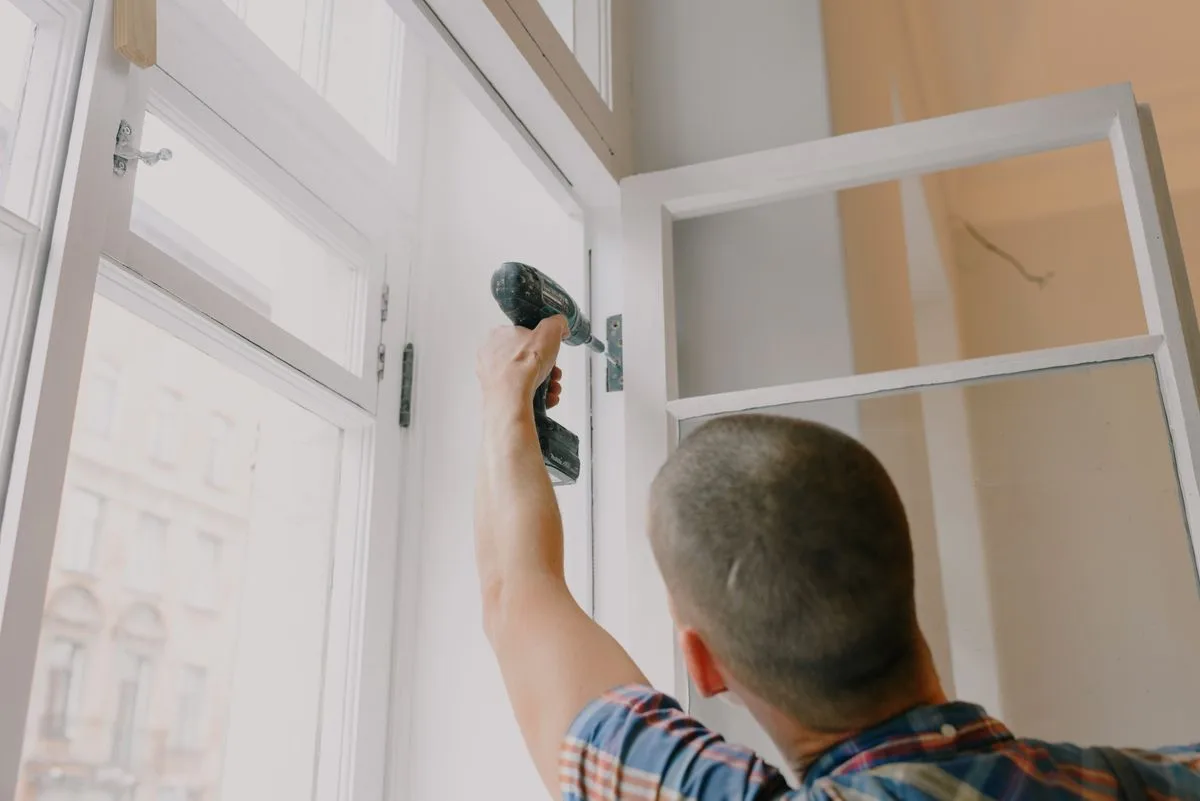
A uPVC window rarely fails all at once. A handle starts to feel loose, then a casement catches the sill on its way shut, and one January morning you find you can’t lock the bedroom window at all. In Exeter that is often a frame fitted between 1995 and 2005, which makes the hardware somewhere between 20 and 30 years old. Friction stays and lock gearboxes were never designed to last that long, but the frames they are screwed into frequently were. With roughly 800mm of rain a year here and a lot of windows that get opened every day for ventilation, the moving parts take a beating. The upshot is that a lot of uPVC window repairs in Exeter cost tens of pounds per window rather than hundreds, provided you know which part has actually gone.
uPVC Window Repairs In Exeter: Fix The Hardware, Keep The Frame
Everything that moves on a uPVC casement is bolted on. The hinges (friction stays), the locking strip running round the edge of the sash, the gearbox it connects to, the handle, the keeps on the frame and the rubber gaskets are all separate parts, made to standard sizes and replaceable with a screwdriver and the right spares. The white plastic profile and the sealed glass unit are the expensive bits. They’re also the bits that most often have plenty of life left.
So when someone in Pennsylvania or Alphington rings us about a window that won’t shut, the first question is whether the frame is straight and the glass is clear. If both are fine, the problem is almost always mechanical, and our window repairs service in Exeter deals with it on site, usually in one visit.
The awkward bit is diagnosis. A window that won’t lock might have a dead gearbox, a bent keep, a dropped sash or a loose handle, and they all feel similar from the inside of the room. The sections below go through each fault in the order we tend to find them.
Friction Stays: When A Casement Drops Or Swings Open
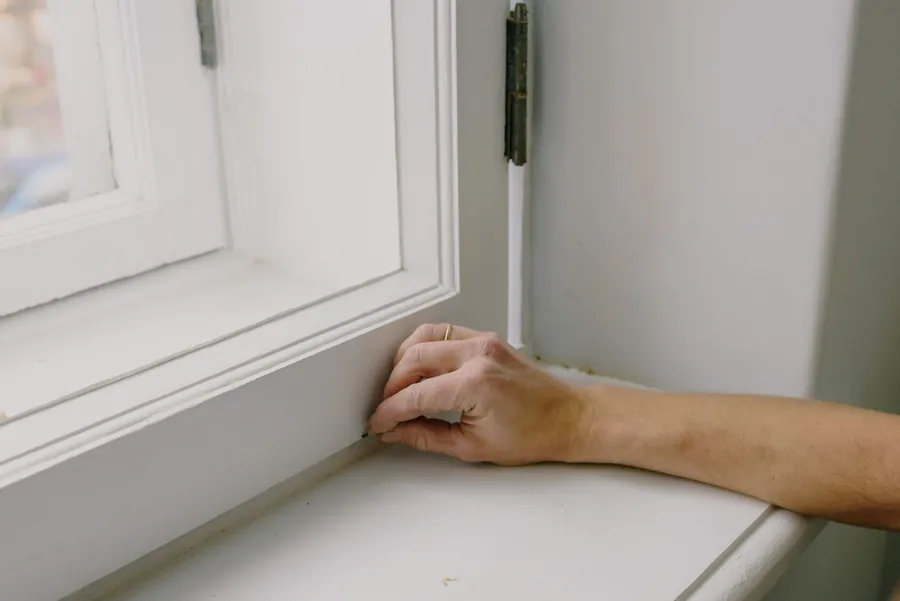
Friction stays are the scissor-shaped metal arms top and bottom of a side-hung or top-hung casement. They carry the full weight of the sash and hold it open at whatever angle you leave it. Inside each one is a plastic or nylon slider running in a steel track, and the friction comes from that slider. When it wears, the window either flaps about in the wind or sags so the bottom corner scrapes the frame.
The signs are easy to spot. You have to lift the handle to get the window to close. There’s a scrape mark on the sill or frame. The window drifts open on its own on a breezy day, which on an upstairs window facing the prevailing south-westerlies is more than an annoyance. And sometimes you’ll see rust weeping from the rivets, a sign the stays are mild steel rather than stainless.
A failed stay can’t really be repaired. It gets replaced. The fitter measures the track length (common sizes run from about 8 inches up to 24), checks whether it’s a standard, egress or restricted stay, and fits a matching pair. Most bedroom windows above ground level in newer homes have egress stays that open wide enough to escape through in a fire, so it matters that the replacement does the same job. Swap an egress stay for a standard one and you’ve quietly made the room less safe.
Replacing both stays on one casement typically takes 30 to 45 minutes. Once they’re in, the sash is re-hung so it meets the frame evenly, which often cures a draught at the same time.
Espagnolette Locks And Gearboxes That Seize
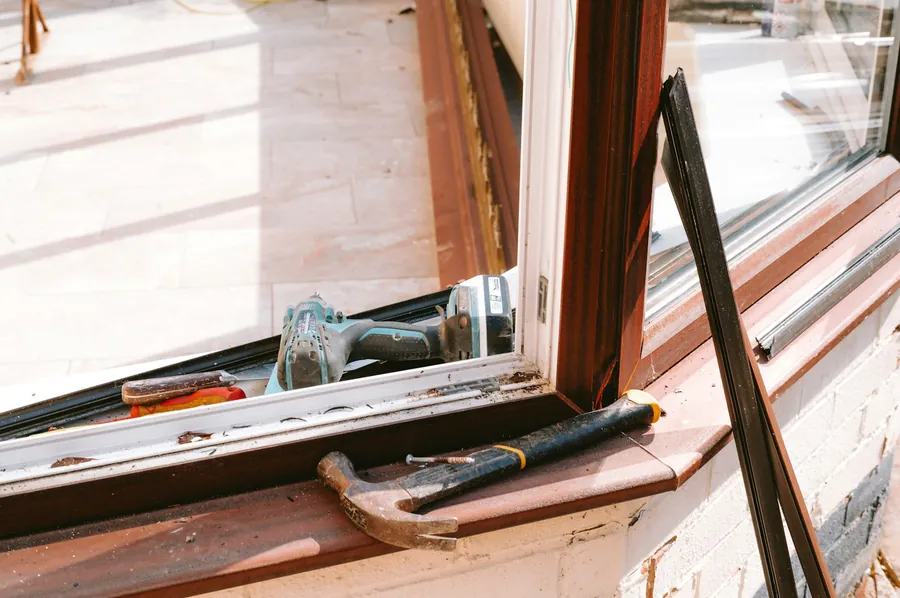
Most uPVC casements lock with an espagnolette, a flat metal bar running down the opening edge of the sash. Turning the handle drives a small gearbox, the gearbox slides the bar, and mushroom-shaped cams on the bar hook behind keeps screwed to the frame. On a decent window there are three or four locking points.
The gearbox is usually the weak link. It’s a small die-cast unit with a toothed gear inside, and after a couple of decades of being forced, it strips. The symptom is a handle that turns but does nothing, or one that turns halfway and stops. The worst version is a window jammed shut with the handle spinning freely, and that one needs the sash carefully released from outside or by drilling, which is a job for someone with the parts on the van.
A seized gearbox is replaced, not freed. The key measurement is the backset, the distance from the edge of the sash to the centre of the spindle hole (20mm, 22.5mm and 25mm are common on older Exeter windows). Get that right and a modern gearbox drops into the old slot. Where the cams have worn flat or the keeps are bent from someone leaning on the handle, the whole espagnolette strip and its keeps get changed instead.
This is also the moment to think about security. Older locking strips from the 1990s often have rounded cams that a burglar can lever past. Modern ones use hook or shoot-bolt cams, and the police-backed Secured by Design scheme lists hardware tested to recognised security standards if you want to check what you’re being offered.
Snapped, Loose Or Stiff Window Handles
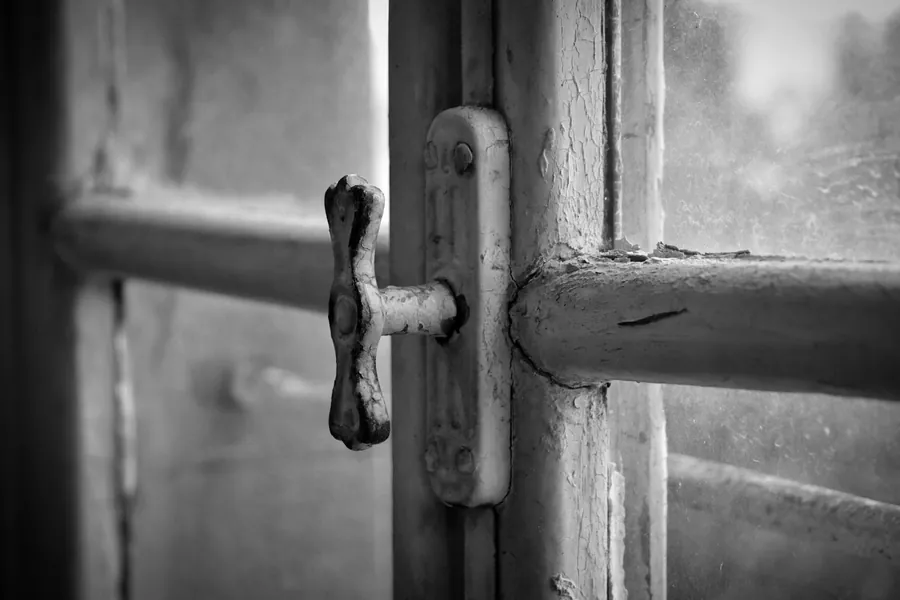
Handles are the cheapest fix on this list and the one people most often try themselves. A handle can snap at the neck, go floppy because its fixing screws have worked loose, or lose its key lock so it no longer secures.
Before ordering anything, prise off the little cover plate at the base (or swivel the handle body on some designs) and tighten the two screws underneath. A loose handle is very often just that. If it has actually snapped, you need three measurements to match a replacement: spindle length, whether it’s an inline or offset handle, and whether the screws sit 43mm apart, the common size on UK uPVC. Left- and right-handed versions exist for offset handles, so check which way it opens.
Two things catch people out. First, a handle that’s stiff is often a gearbox or keep problem in disguise, and a new handle won’t fix it. Second, if the handle snapped because someone forced a window that wouldn’t lock, the gearbox behind it has probably taken damage too. Replacing the handle alone just moves the failure along.
Dropped Sashes, Worn Gaskets And Draughts

A sash “drops” when its leading corner sinks lower than it should. On a casement it’s usually the stays wearing. On a fixed or opening sash it can also be the glass unit shifting off its packers, because the packing under the glass is what keeps the sash square. Either way, the corner catches, the cams no longer line up with the keeps, and the seal stops pressing evenly against the frame.
That leads to the draught. The black gaskets round the sash and the frame are usually EPDM or a similar rubber. They shrink, harden and pull away from the corners after enough Devon winters, and once they do, wind-driven rain on an exposed elevation can find its way in as well as cold air.
The fix sequence matters. Re-pack the glass or replace the stays first so the sash sits square. Then adjust the cams on the locking strip (most are eccentric and turn with an Allen key to pull the sash tighter). Only then replace any gasket that’s still flattened or split. A new gasket on a sash that’s still out of square will leak just like the old one.
Done in that order, you can usually feel the difference the same afternoon. Hold the back of your hand near the opening edge on a windy day before and after, and the cold line along the hinge side should be gone.
What uPVC Window Repairs Cost In Exeter
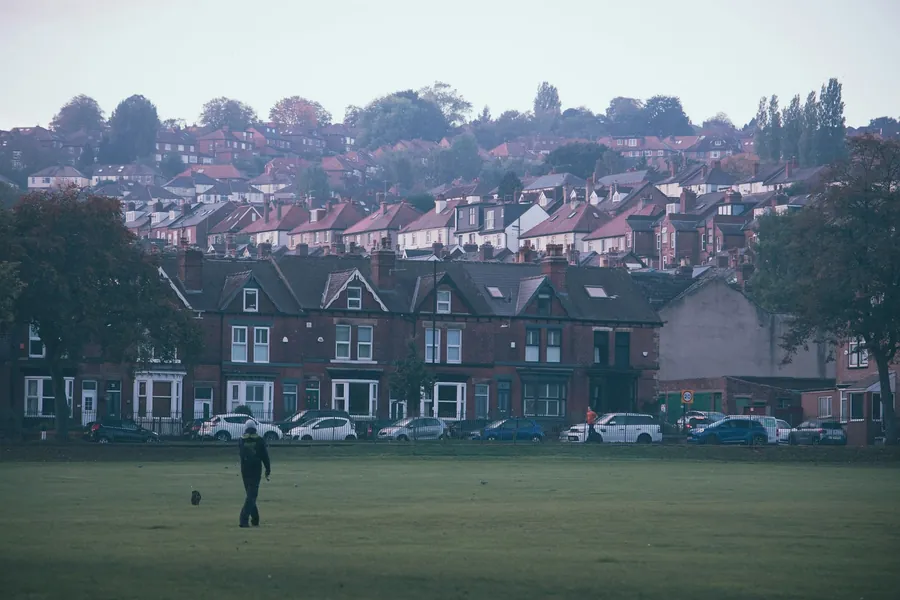
Prices vary with access, window size and how many windows are done on one visit, so treat these as rough guides for supply and fit in and around Exeter rather than a quote.
| Repair | Typical cost per window | Time on site |
|---|---|---|
| Tighten or adjust handle, cams and keeps | £30 - £60 (often part of a call-out) | 15 - 30 min |
| Replacement handle | £30 - £70 | 15 min |
| Gearbox replacement | £80 - £150 | 30 - 60 min |
| Full espagnolette strip and keeps | £110 - £200 | 45 - 90 min |
| Pair of friction stays | £80 - £150 | 30 - 45 min |
| Re-pack glass to cure a dropped sash | £50 - £90 | 30 min |
| Replace gaskets | £40 - £90 | 30 - 60 min |
The call-out is a big slice of a single small job, so it pays to walk round the house first and list every window that sticks, drops or rattles. Doing six windows on one visit costs a lot less per window than six separate visits. Upstairs windows that need a ladder, or third-floor flats in the city centre, will sit at the top of these ranges.
Hardware for some 1990s window systems is no longer made. Universal parts fit the large majority, but now and then a gearbox or keep has to be adapted, and that adds time. A fitter who tells you that up front is a better bet than one who quotes low and turns up with the wrong part.
Repair Or Replace 1990s And 2000s Exeter Double Glazing?
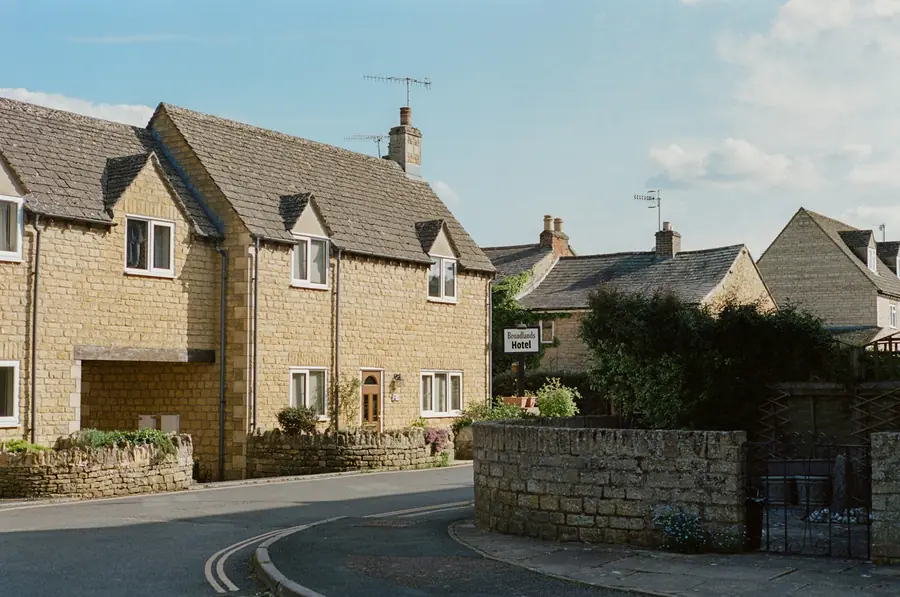
A lot of Exeter’s uPVC went in during a rush in the 1990s and early 2000s, on everything from post-war semis in Whipton and Beacon Heath to Victorian terraces in St Thomas and Heavitree. Anything fitted before April 2002 went in before replacement windows in England had to meet Building Regulations, which is when the FENSA self-certification scheme started. The frames are often fine. The glass is usually less efficient than a modern unit, and the security hardware predates the PAS 24 standard that Approved Document Q on security in dwellings now requires for new homes.
Repair makes sense when:
- the frames are straight and the corners haven’t split
- the sealed units are clear, with no mist between the panes
- the faults are on a few windows, not most of them
- you’re planning to sell or move in the next few years
Replacement starts to make more sense when hardware is failing across most of the house at once, units are misting, the frames are discoloured and brittle, or the windows simply don’t lock to a standard you’re comfortable with. If you’re weighing that up, our guide to the signs your windows need replacing in Exeter goes through the frame and glass checks in more detail.
Our honest view: on a typical 30-year-old Exeter semi with sound frames, a day of hardware work across every window often buys another 8 to 10 years of decent service for a fraction of the cost of new windows. Where we’d push back is if somebody wants to spend £1,000 on gearboxes and stays while half the units are fogged. That money is better put towards replacement.
If you want a second opinion, the Glass and Glazing Federation has consumer guidance and a directory of member firms, and any installer worth using will tell you plainly whether your windows are worth fixing. We’ll do the same: get a free repair assessment in Exeter and we’ll tell you which windows need parts and which need replacing.
Frequently Asked Questions
How much does it cost to replace friction stays on a uPVC window in Exeter?
As a rough guide, a pair of stainless friction stays supplied and fitted runs from about £80 to £150 per opening casement, depending on the size of the sash and whether it needs egress or restricted stays. If several windows are done on one visit the call-out charge is only paid once, which brings the per-window price down. The stays themselves are cheap; most of the cost is labour and getting the sash re-hung so it closes square.
Can a seized espagnolette lock be fixed without replacing the window?
Usually, yes. If the handle turns but the window stays locked, it is normally the gearbox inside the sash that has failed, not the whole mechanism. The gearbox can be swapped for a matching one with the same backset, which is a job of under an hour on most casements. If the keeps on the frame are bent or the locking bar has snapped, the full espagnolette strip is replaced instead. Neither job touches the frame or the glass.
Why is my uPVC window draughty when it is shut and locked?
The most common causes are a perished or shrunken gasket, a sash that has dropped so it no longer presses evenly against the seal, or locking cams that have worked loose and stopped pulling the sash in tight. Adjusting the cams and refitting a new gasket costs far less than a new window. If the frame itself has bowed or the corners have split, adjustment will not cure it and replacement is the better spend.
Is it worth repairing 1990s uPVC windows in Exeter?
It depends on the frame, not the hardware. Hinges, locks, handles and gaskets on windows from the 1990s and early 2000s can almost all be replaced. If the frames are straight, the sealed units are clear and you only have one or two faults, repair is good value. If you have misted units, bowed frames and failing hardware on most of the windows at the same time, the repair bill starts to approach the cost of new windows that would also be warmer and more secure.