
10 October 2026
Replacing Windows In Topsham: The Strand's 1958 Article 4, Dutch Gables And A Tidal Estuary
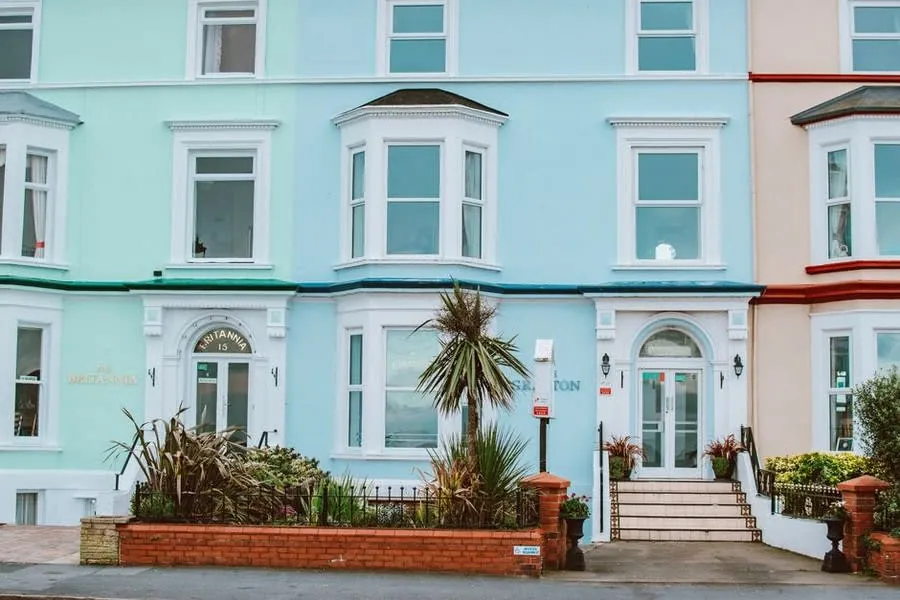
In February 2014, high tides and waves pushed the Exe into homes along Ferry Road and The Strand. Mention windows to anyone who lives down there and that winter tends to come up, which is fair enough. In this town the estuary decides more about a window than the age of the house does. It sets the flood line on the ground floor and the salt in the air on the top. Even the 1958 planning rule that still covers The Strand comes down to the view from the water. Topsham has around 4,100 residents, a conservation area dating back to 1967 that was one of the first in the country, and a high share of listed buildings for a town its size. Most of its windows can still be replaced without much fuss. This guide works out which ones can’t, and what each kind costs.
Replacing Windows In Topsham: Exeter Decides, Not East Devon
Topsham feels like a separate place, and for centuries it was. On 1 April 1966 the parish was abolished and folded into Exeter, so the city council is your planning authority. Not East Devon, even though East Devon starts just across the Clyst. Every conservation officer, every listed building consent and every planning application for a Topsham window goes to Exeter City Council.
For a house outside the conservation area, that council never needs to hear about your windows. A registered installer replaces them, the job is logged with a competent person scheme, and building control is notified for you. Most of the post-war and newer housing on the edges of town falls in this group. Our window installation service in Topsham spends most of its week on houses like these.
It’s the old town down by the water where you need to read the rest of this.
The Strand’s 1958 Article 4 Direction
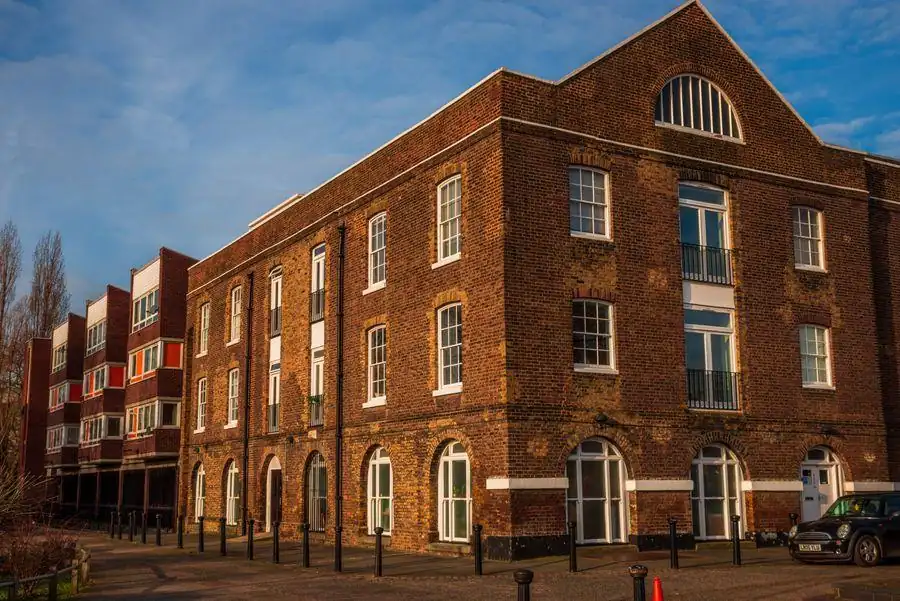
Most people have heard that conservation areas can carry an Article 4 direction. Fewer know that Topsham’s oldest one is older than the conservation area itself. The direction covering land at The Strand was made on 23 April 1958, nine years before the conservation area was drawn. It’s still on the government’s national planning data record for the Land at The Strand Article 4 direction, and its wording is broad. It covers the enlargement, improvement or other alteration of a dwellinghouse.
New windows are an alteration. Our reading is that replacing them on a house within the direction needs planning permission, even where the new ones match the old. We don’t rely on our reading, though. Before we price a Strand job we ask Exeter’s conservation team to confirm the exact boundary and whether your address sits inside it.
Elsewhere in the conservation area we haven’t found a direction covering windows. That doesn’t mean anything goes. Flats have no permitted development rights for windows wherever they are, and Fore Street has plenty of them over shops. A house in a conservation area still needs permission if the new windows would look materially different from the old. Timber sashes swapped for chunky uPVC casements is the textbook example.
Dutch Gables, Merchants’ Houses And Listed Building Consent
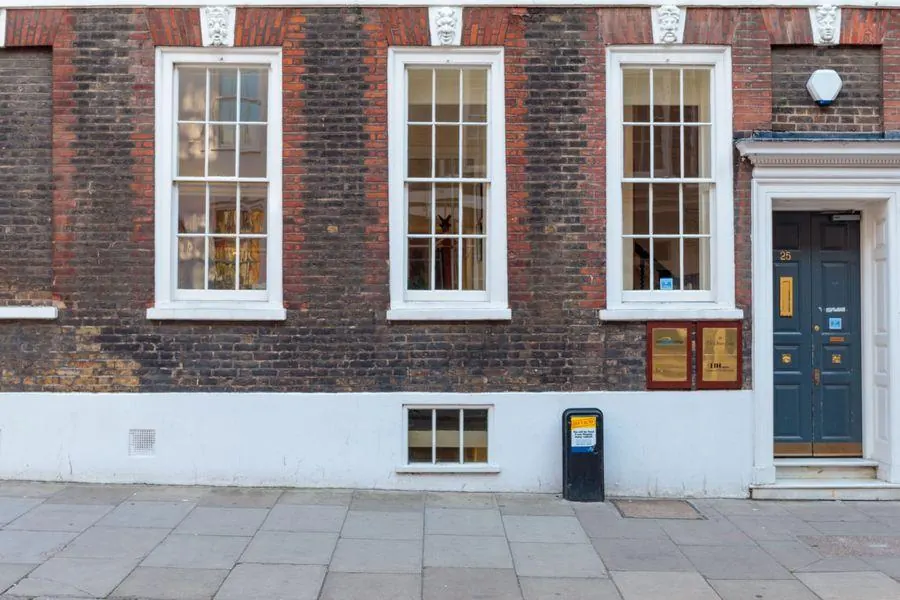
The Strand’s best-known houses stand end-on to the road, gable to the street, with the curved Dutch gables that give the row its name. Local tradition has it that merchants trading with Holland built them around 1700, some in thin Dutch brick brought over as ships’ ballast. Treat the ballast story as tradition rather than proof. What is certain is that these are listed buildings, several at Grade II*. Number 34, listed in 1952, is a late seventeenth century house whose road end has a restored Dutch gable, two sash windows with glazing bars and sliding shutters. Its list entry mentions those windows by name.
That matters, because listed building consent covers any change that affects a building’s character, inside or out. Swap a sash for a sealed double-glazed copy without consent and you’ve committed a criminal offence, not just a planning breach. You can read your own building’s entry on Historic England’s National Heritage List. Do it before you get quotes.
The council holds itself to the same rule. Topsham Museum at 25 The Strand is a council-owned, Grade II listed merchant’s house. In April 2025 the council’s own repair scheme there, which included replacing twentieth century windows in the sail loft, went before Exeter’s planning committee for listed building consent. If the city has to ask itself, so do you. We’ve set out the wider consent process in our guide to listed building windows in Exeter, and it applies just the same in Topsham.
Salt, Tide And Damp: What The Exe Does To A Window
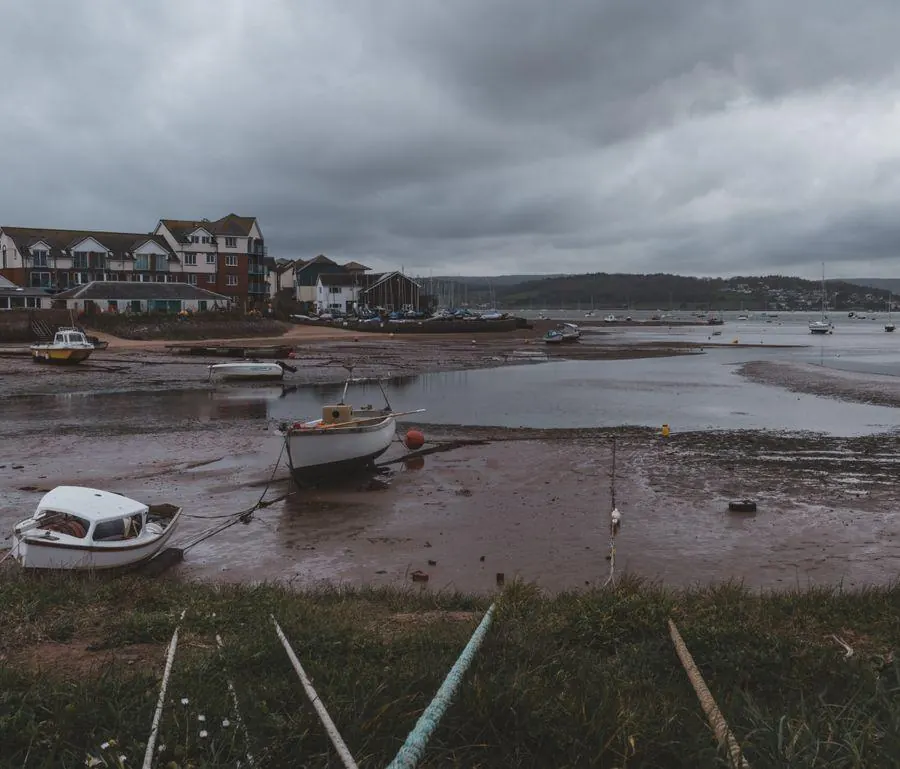
The Exe is tidal past Topsham and the Clyst joins it here, so the streets nearest the water get damp air most of the year and salt whenever the wind is from the south. That shows up on windows in three places.
Ground floor openings on the flood line
In February 2014 high tides and waves flooded properties on Ferry Road and The Strand. The flood protection scheme proposed afterwards was meant to cover 64 homes and 15 businesses, which gives you a sense of how many sit in the risk zone. If yours is one of them, ground floor windows need treating as joinery that may get wet from below. We fit stainless steel fixings, avoid expanding foam packing that soaks up water and stays wet, and make sure sills shed water and frames can be dried out and repainted. Check your address on the government’s long term flood risk service before the survey.
Hinges, handles and friction stays
Salt air gets at cheap steel first. Friction stays seize, screw heads bloom with rust, and handles pit. On any house within sight of the estuary we specify stainless steel hardware rather than the zinc-plated standard, and for aluminium frames we ask for a coastal-grade powder coat finish. It adds a little to the cost of each window and saves a callout three winters later.
Paint cycles on timber
Timber frames on the waterfront need repainting more often than the same frames up the hill. Factory-finished timber with a microporous paint system lasts better than site-painted joinery, and a good modified or engineered timber will tolerate damp far longer than softwood. Budget for a repaint every five to seven years on the river side, not the ten you might hope for.
Fitting Day On Fore Street And The Strand
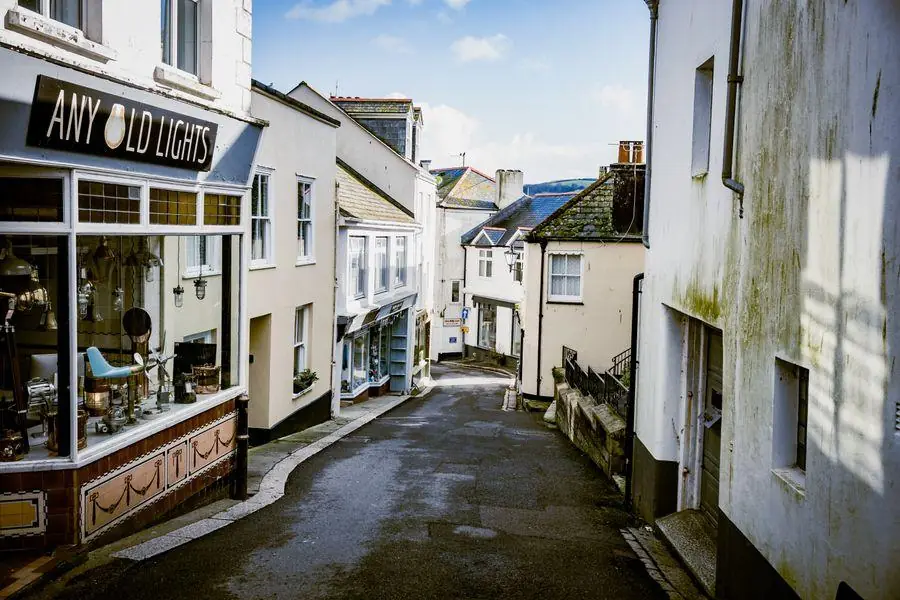
Getting the windows to your house is half the job in old Topsham. Fore Street is narrow and busy, The Strand narrower still, and neither has room to park a van all day outside your door. Long glazed units have to be carried, sometimes a fair distance. So we plan it in advance:
- The town has two short-stay car parks, Matthews Hall and the Quay, and two long-stay ones, Holman Way and Tapper’s Close. Our vans go long-stay. We unload close by first thing, before the street fills up.
- A ground floor sash box can go in by hand. A big upper-floor unit on a house with no side access may need a second fitter just for the carry, and we price that at the survey rather than springing it on you on the day.
- Where the pavement is the only workspace, we knock next door the day before. Costs nothing, saves a lot of grief.
Most of this is planning, not money. When it does add to the bill, it’s usually labour time rather than kit. Few Topsham houses need scaffolding for windows, though a scaffold tower over a shopfront on Fore Street sometimes does.
Timber Sash, Flush Casement Or uPVC: What’s Realistic

It helps to think in three zones.
On The Strand and on any listed building in the town, the honest options are repair, secondary glazing, or a consented timber replacement that copies the original’s glazing bars, horns and proportions, sometimes with slim double glazing if the council accepts it. Repair gets overlooked. A rotten sill and a failed bottom rail can be spliced in new timber for far less than a new window, and that keeps the original glass. Secondary glazing fitted on the inside is fully reversible and often the best route to a warmer room in a listed house.
In the rest of the conservation area, including the houses along Fore Street and the lanes off it, timber sashes and timber flush casements are the safe choice. Good uPVC sliding sashes can sometimes pass on a house with permitted development rights, but if what you have now is timber we’d assume the council will expect timber.
Outside the conservation area there’s no restriction on material, and uPVC or aluminium casements are what most people choose. Coloured frames in grey or cream suit the rendered houses here better than bright white, but that’s taste rather than rules.
What Window Replacement Costs In Topsham
These figures come from jobs we have priced in and around Topsham. They’re our own ranges, not an official survey, and access or flood-resilient detailing can move them.
| Property | Likely work | Typical cost |
|---|---|---|
| Post-war semi on the edge of town, 8 windows | White or grey uPVC casements | £3,400 to £6,000 |
| Rendered Fore Street house in the conservation area, 6 windows | Timber flush casements or timber sashes | £5,500 to £11,000 |
| Listed merchant’s house on The Strand | Repair plus secondary glazing on 6 windows | roughly £3,000 to £6,500, plus consent time |
A single uPVC casement usually lands between £450 and £750 fitted. A timber sliding sash is more like £1,300 to £2,200 each, and secondary glazing around £300 to £600 a window. Stainless hardware for estuary-front houses adds a modest amount per window. Planning applications carry a council fee and around eight weeks for a decision. Listed building consent has no fee, but expect a similar wait.
If you’re comparing Topsham with other towns we cover, our post on replacing windows in Honiton and Ottery St Mary shows how East Devon handles the same questions, and why the answers differ once you cross the boundary.
Book a free window survey in Topsham and we’ll check the Article 4 position for your address, look at the flood line, and give you a written price.
Frequently Asked Questions
Is Topsham covered by Exeter City Council or East Devon for window planning?
Exeter City Council. Topsham stopped being a separate parish on 1 April 1966 and became part of Exeter, so conservation area questions, listed building consent and planning applications for windows all go to the city council. East Devon's boundary starts just beyond the town, which catches people out because Topsham feels like a separate place.
Do I need planning permission to replace windows on The Strand in Topsham?
Very probably. An Article 4 direction made on 23 April 1958 covers land at The Strand and brings the alteration and improvement of houses there under planning control. Replacing windows is an alteration, so on our reading even a like-for-like swap needs an application. Many Strand houses are also listed, which needs listed building consent on top. We ask the council to confirm the position for the exact address before we quote.
Can I have uPVC windows in Topsham?
On a lot of houses, yes. Outside the conservation area, and on houses inside it where permitted development rights still apply, white or coloured uPVC is a normal choice and we fit plenty of it. On The Strand, on listed buildings anywhere in the town, and on flats on Fore Street, uPVC is unlikely to be approved, and timber sashes, timber flush casements or secondary glazing are the realistic routes.
Does tidal flooding affect what windows I should fit in Topsham?
For ground floor windows on the low-lying streets, yes. After the high tides of February 2014 flooded parts of Ferry Road and The Strand, we started treating those openings differently: stainless steel fixings and hinges, frames that are easy to dry out, sills and drainage that shed water fast, and no expanding foam packing that holds moisture. Check your postcode on the government's long term flood risk service before the survey so we both know what we're dealing with.